During a 2019 Weddell Sea Expedition, researchers discovered 1,036 nests on the seafloor beneath an Antarctic iceberg; 72 of those nests contained larvae, indicating an active breeding site for the icefish known as the yellowfin notie. Reported in Frontiers in Marine Science, the finding highlights the Weddell Sea’s ecological importance and strengthens calls to designate such areas as Marine Protected Areas. Scientists warn that continued ice-shelf retreat could expose and endanger fragile polar habitats and ultimately contribute to sea-level rise unless greenhouse-gas emissions are reduced.
Over 1,000 Icefish Nests Discovered Beneath Antarctic Iceberg, Revealing Hidden Breeding Ground
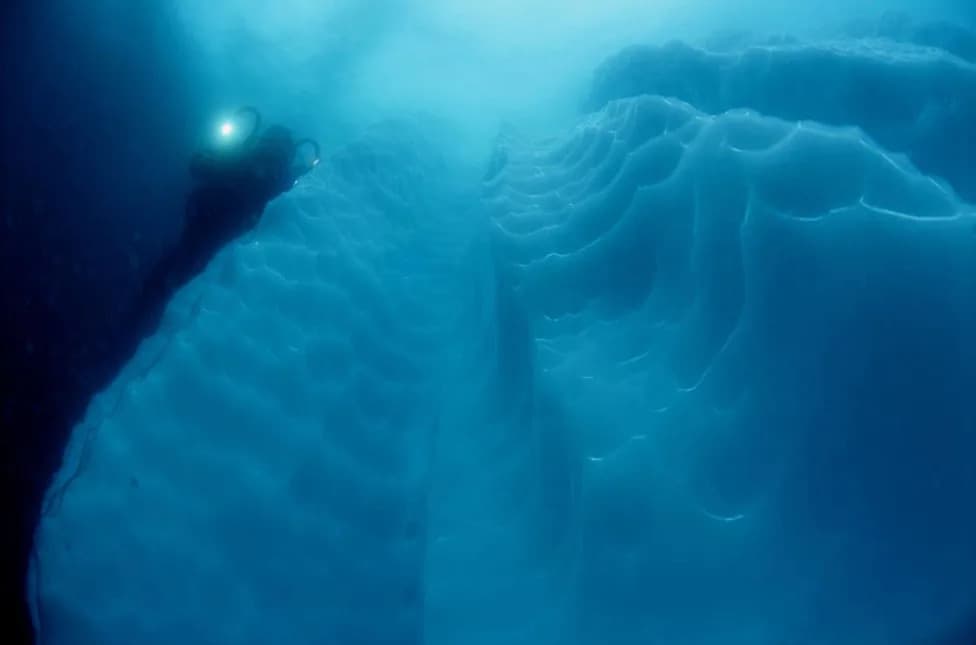
An iceberg that broke away from Antarctica exposed an unexpected and fragile ecosystem: more than 1,000 clear depressions in the Weddell Sea seafloor that turned out to be nests made by an ice-adapted fish.
The feature was recorded during a 2019 Weddell Sea Expedition that had initially been searching for Sir Ernest Shackleton’s lost ship, the Endurance. Scientists observed 1,036 nests, of which 72 contained larvae — strong evidence that this site is an active breeding ground.
Identification and significance
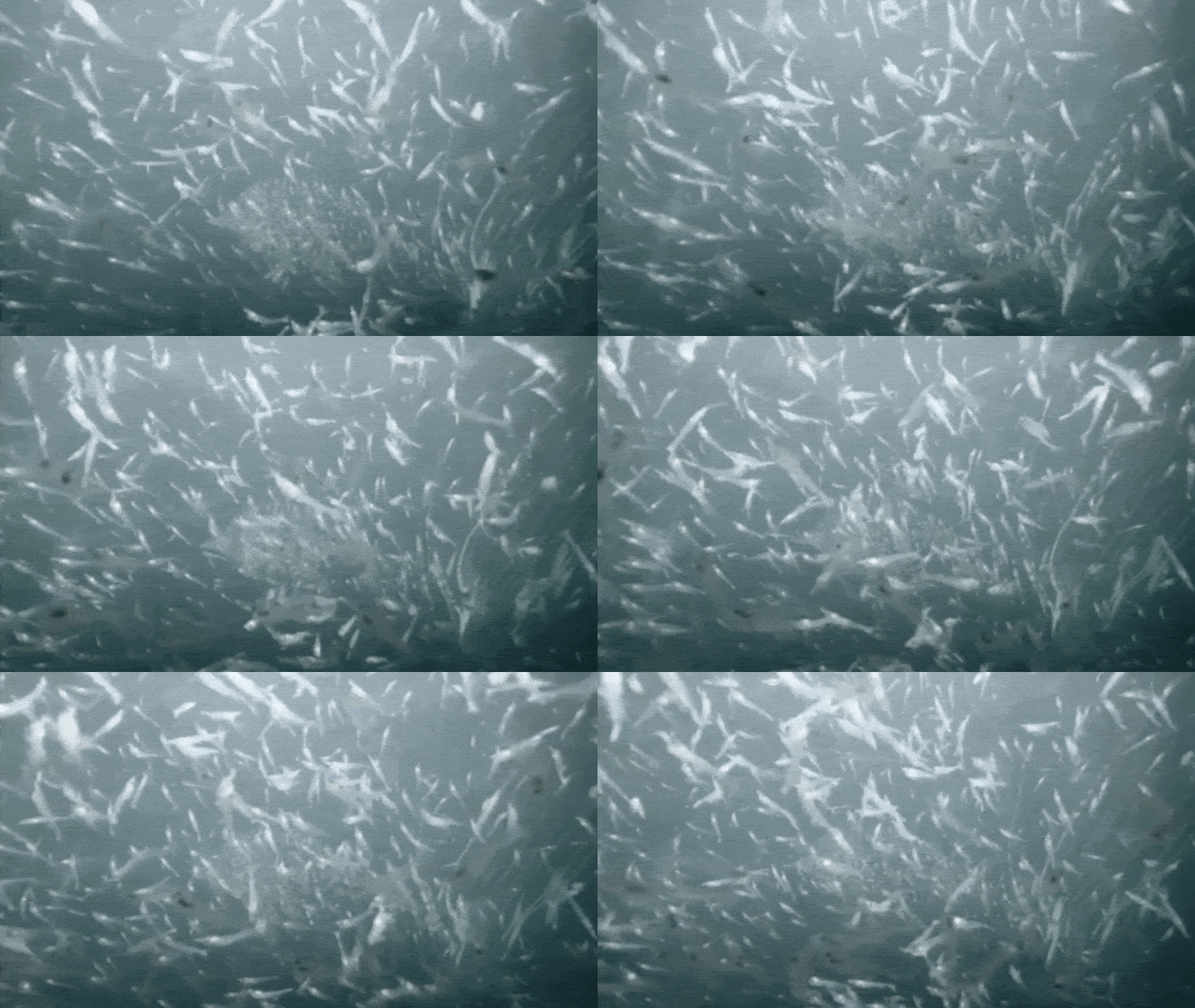
Researchers identified the structures as nests of the yellowfin notie, an icefish capable of surviving in waters that often remain below freezing. The clear, circular dimples stood out sharply against the surrounding carpet of phytoplankton, prompting scientists to recognise them as biological features rather than simple geological marks. The discovery was published in the journal Frontiers in Marine Science.
Ecological and conservation implications
The Weddell Sea is a region of high biological productivity, and the newly exposed nests underscore how retreating ice can reveal previously hidden habitats. The research team has argued that areas like this merit protection as Marine Protected Areas to safeguard important breeding grounds as the climate changes.
Ice loss, sea-level risk and wider impacts
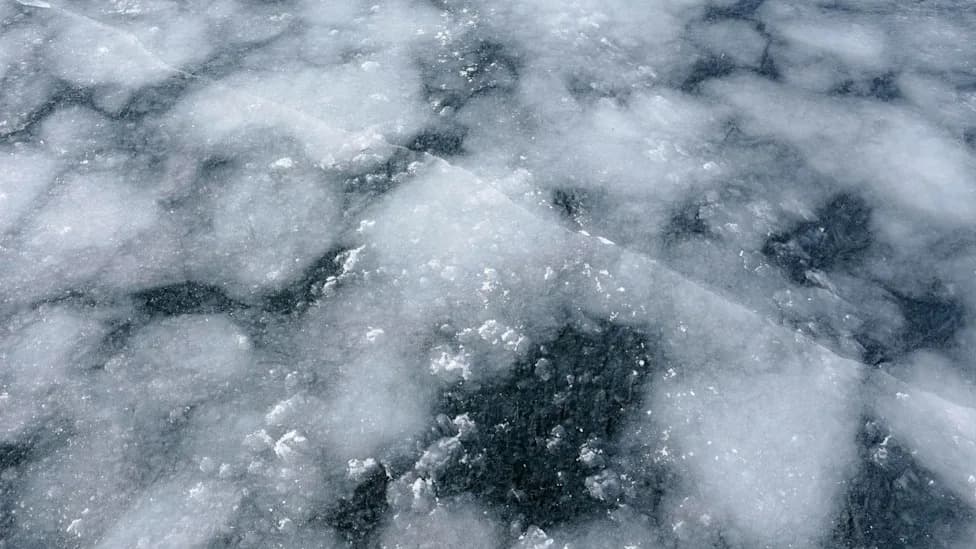
As Antarctic ice shelves such as Larsen C recede and large bergs calve — including the A-68 event — formerly sealed seafloor habitats become accessible. The British Antarctic Survey notes that a single calving event like A-68 will not meaningfully raise sea level by itself, but repeated calving and sustained ice loss can weaken ice shelves over time. That weakening allows grounded inland ice to flow more quickly into the ocean, contributing to long-term sea-level rise.
Broader consequences
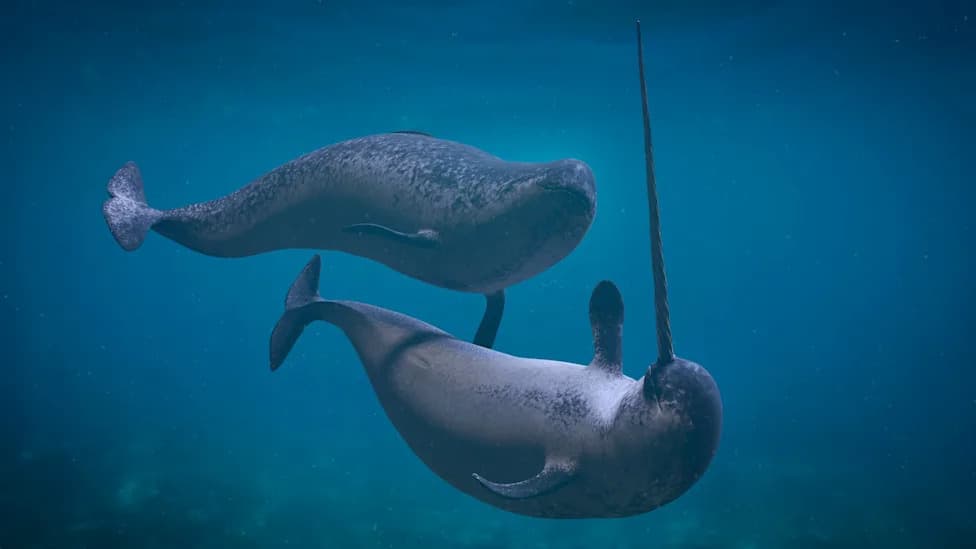
Polar change affects more than local ecosystems. The World Wildlife Fund warns that melting ice and shifting circulation patterns can disrupt weather systems, harm crop yields and increase food-price volatility. The United Nations Environment Programme has highlighted risks from thawing permafrost, including the potential release of ancient microbes and stored greenhouse gases. Martin Sommerkorn, head of conservation at the WWF Global Arctic Programme, has emphasised that polar warming threatens unique wildlife, ecosystems and Indigenous cultures.
Responses and solutions
Some experimental efforts aim to locally bolster sea ice — for example, a U.K. company is testing ways to thicken ice in targeted areas — but scientists agree that the most effective solution at scale is rapid reduction of greenhouse-gas emissions. Slowing warming will help limit exposure of fragile, formerly ice-covered habitats and protect polar biodiversity.
The discovery of the icefish nests is a vivid reminder of how quickly climate-driven changes can reveal hidden ecosystems, and how much remains to be understood about life beneath polar ice.
Help us improve.