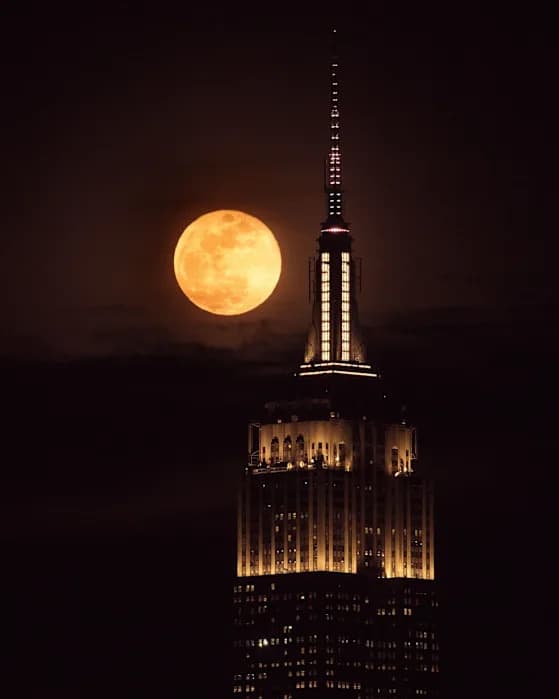
The Moon is in a Waxing Gibbous phase on Nov. 29, with about 63% illumination (NASA). Naked-eye observers can spot Mare Tranquillitatis, Mare Serenitatis and the bright Tycho crater; binoculars and small telescopes reveal many more features. The next full moon arrives on Dec. 4 and will be the final supermoon in a run of three. The lunar cycle lasts roughly 29.5 days and follows eight conventional phases.
Moon Tonight — Nov. 29: Waxing Gibbous (63% Illuminated) and What to Look For

We are in the final lunar phase before the full moon, and the Moon is steadily brightening each night. As of Saturday, Nov. 29, the Moon is in a Waxing Gibbous phase with about 63% of its surface illuminated, according to NASA's Daily Moon Observation.
What can you see this evening? With the naked eye you should be able to pick out the Mare Tranquillitatis and Mare Serenitatis and spot the bright Tycho crater. Binoculars will bring additional features into view, including the Endymion, Alphonsus and Clavius craters. A small telescope can reveal more detail of the lunar surface and may help you identify the approximate areas of the Apollo 15 and Apollo 16 landing sites and the Fra Mauro highlands (the Fra Mauro region was the target area for Apollo 14).
The next full moon will occur on Dec. 4 and will be the final one in a run of three consecutive supermoons. The previous full moon fell on Nov. 5.
Why the Moon changes appearance
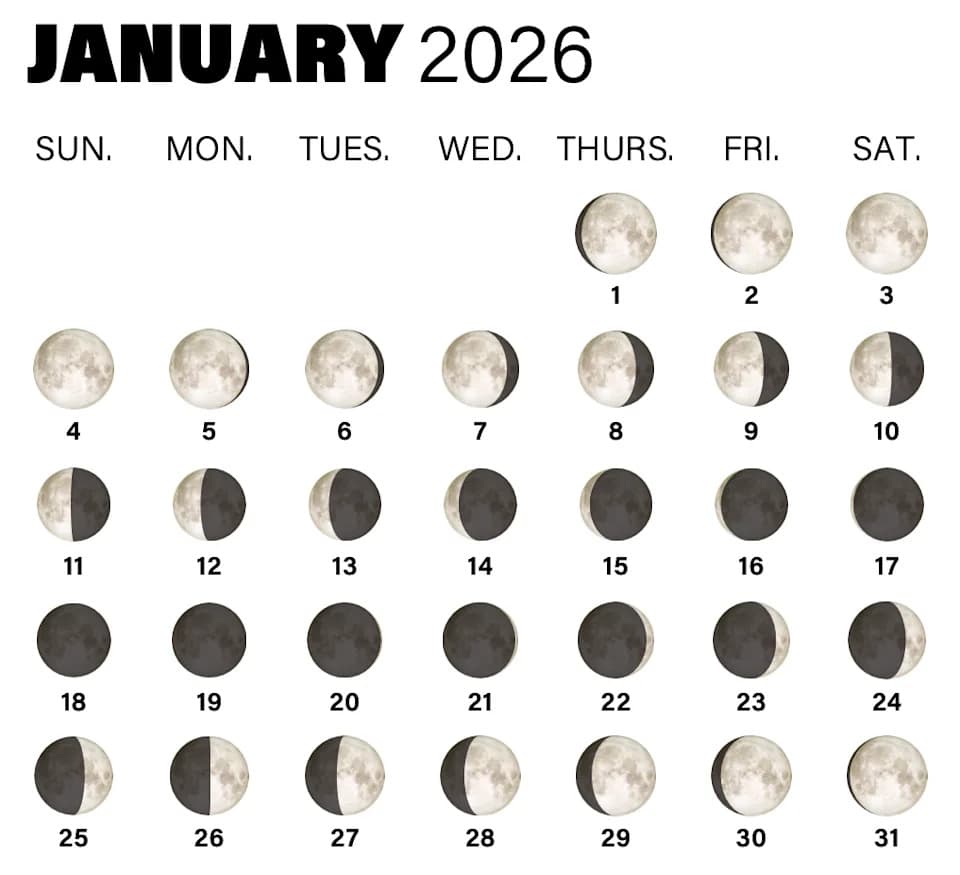
The lunar cycle lasts about 29.5 days. As the Moon orbits Earth, we always see the same hemisphere, but the angle of sunlight striking the surface changes. That shifting illumination produces the familiar sequence of lunar phases.
The cycle is commonly described in eight stages:
- New Moon — The Moon lies roughly between Earth and the Sun, so the side facing us is dark and usually invisible.
- Waxing Crescent — A thin sliver of light appears on the right side (Northern Hemisphere).
- First Quarter — The right half of the Moon is illuminated; it appears as a half-moon.
- Waxing Gibbous — More than half is lit but the Moon is not yet full.
- Full Moon — The entire visible face is illuminated.
- Waning Gibbous — The Moon begins to dim after full; the illuminated portion shifts toward the left (Northern Hemisphere).
- Third Quarter (Last Quarter) — The left half of the Moon is illuminated.
- Waning Crescent — A thin sliver of light remains on the left before returning to new.
Tip: weather, light pollution and the Moon's altitude above the horizon will affect how much detail you can see. For the best views, choose a clear night away from bright city lights and let binoculars or a small telescope acclimate to outdoor temperatures before use.
Help us improve.