Chaima Issa, a prominent opposition figure, was detained at a protest in Tunis after an appeals court imposed heavy sentences on several opposition leaders, including a 20-year term for Issa. Other defendants faced sentences up to 45 years, and Najib Chebbi received 12 years while Ayachi Hammami got five. Human Rights Watch and Amnesty International condemned the trial as politically motivated and unfair. The developments come amid President Kais Saied's consolidation of power since July 2021 and a contested 2022 constitution.
Chaima Issa Detained at Tunis Protest as Appeals Court Issues Heavy Sentences for Opposition

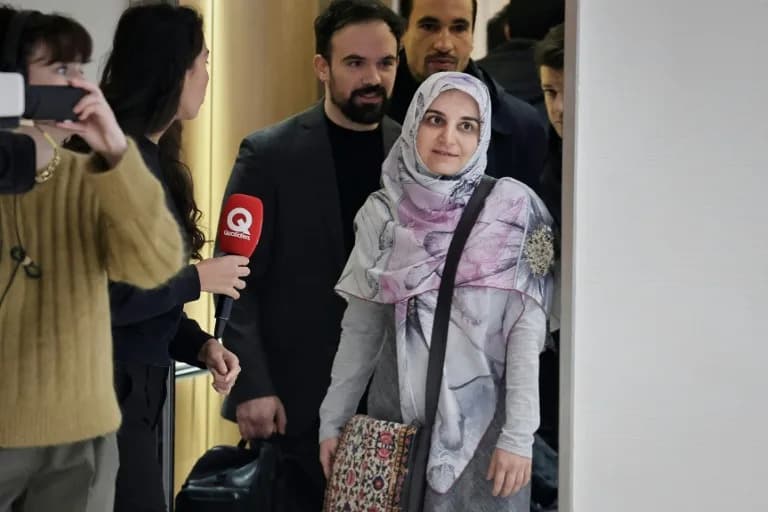
Tunisian police detained prominent opposition figure Chaima Issa during a protest in the capital, Tunis, on Saturday, her lawyers said. The arrest followed an appeals court decision that imposed heavy prison terms on a group of opposition leaders, businessmen and lawyers accused of plotting to overthrow President Kais Saied.
Issa was sentenced to 20 years during the trial. Moments before her arrest she warned protesters, 'They will arrest me shortly,' and urged Tunisians to continue demonstrating: 'Continue to protest and reject tyranny. We are sacrificing our freedom for you.' She described the charges against her as unjust and politically motivated.
Authorities are also widely expected to move against Najib Chebbi, head of the National Salvation Front, who received a 12-year sentence, and opposition figure Ayachi Hammami, who was sentenced to five years. Some defendants in the case were handed terms of up to 45 years.
Reactions and Concerns
Human Rights Watch condemned the trial as a 'travesty of justice,' calling the proceedings 'political, unfair, and without the slightest evidence' against the defendants. Amnesty International described the ruling as 'an appalling indictment of the Tunisian justice system,' saying it reflects 'a relentless campaign to erode rights and silence dissent.' These statements underscore international concerns about judicial independence and the shrinking space for political opposition in Tunisia.
Context
Since July 2021, President Kais Saied has significantly expanded his powers after suspending parliament and assuming executive authority to rule by decree. Many of those powers were later incorporated into a new constitution ratified in a 2022 referendum that was widely boycotted. Media figures and lawyers critical of the administration have faced prosecution and detention under a 'fake news' law enacted that year.
Saied maintains that his actions are legal and necessary to end years of instability and pervasive corruption. Critics argue the measures have concentrated power, weakened democratic institutions, and targeted opponents through the judicial system.
The arrests and sentences have prompted renewed protests and raised fears of further detentions as Tunisia's political crisis deepens.
Help us improve.