President Trump urged the Supreme Court to uphold his broad tariff program, arguing the measures have strengthened the U.S. economy and international standing. The legal fight centers on whether the 1977 IEEPA authorizes tariffs — a use never tested in court. Justices signaled skepticism, and either ruling could carry major legal and economic consequences. The administration has trimmed some tariffs and proposed a $2,000 import-tax dividend as part of its response.
Trump Urges Supreme Court to Uphold Sweeping Tariffs: "WE HAVE ALL THE CARDS"
Trump Defends Tariff Program as Supreme Court Weighs Legality
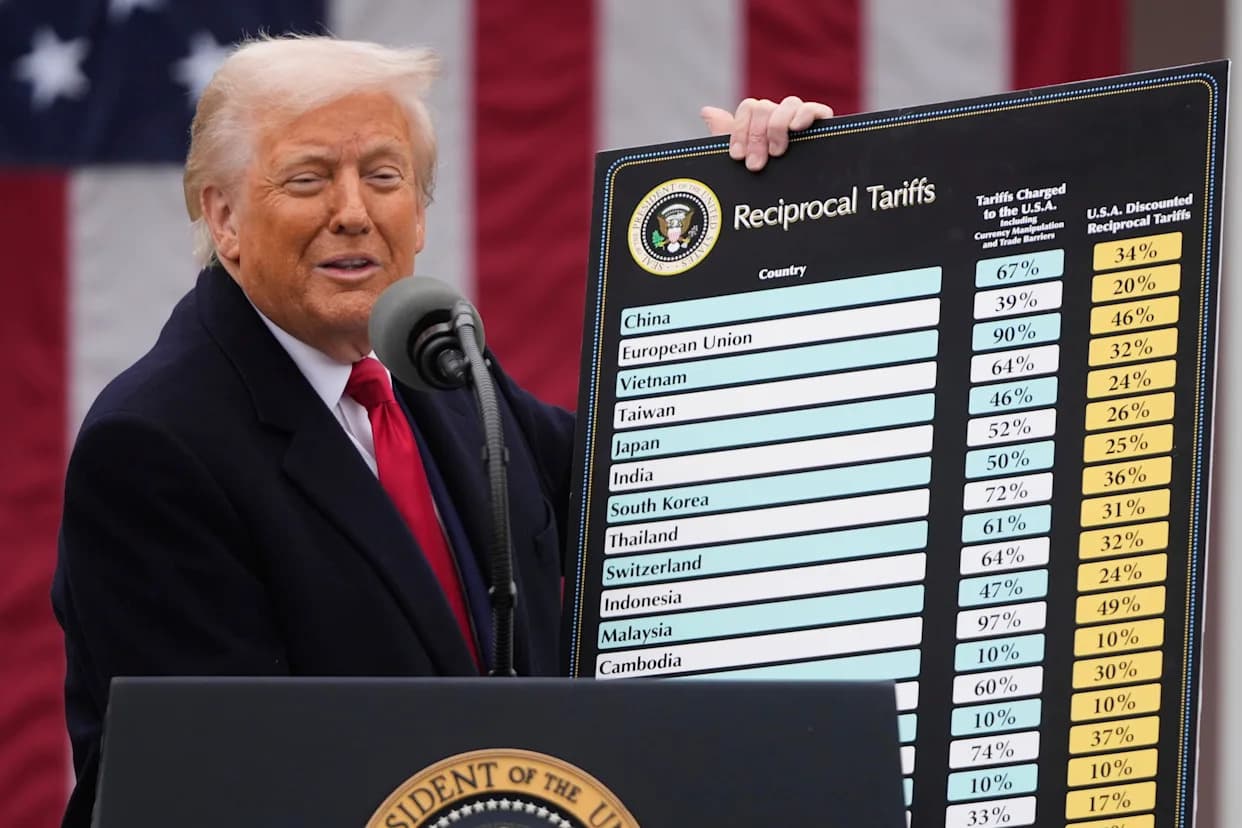
President Trump on Saturday urged the Supreme Court to uphold his sweeping tariff program, insisting that high import duties have strengthened the U.S. economy. Posting on Truth Social, he wrote: "Tariffs have made our Country Rich, Strong, Powerful, and Safe... WE HAVE ALL THE CARDS, and with a smart President, we always will!"
Since announcing the first wave of so-called "Liberation Day" tariffs in April and rolling out subsequent measures, the administration has touted a series of trade deals with foreign partners. The president credited the tariff strategy with improving diplomatic leverage, boosting markets and retirement accounts, and easing inflationary pressure on prices and taxes.
Legal dispute: the IEEPA at the center
The central legal issue is whether the 1977 International Emergency Economic Powers Act (IEEPA) — which authorizes the president to "regulate" imports during national emergencies — can lawfully be used to impose tariffs. While IEEPA has long been applied to sanctions and other controls, it has not previously served as the legal basis for levying import duties. Opponents argue the statute was never intended to authorize tariffs; the administration says it does.
During oral arguments, several justices appeared skeptical of the administration's expansive reading of IEEPA. Legal analysts say an affirmation would significantly broaden executive authority over trade, while a rejection could trigger complicated legal and economic consequences. Justice Amy Coney Barrett warned of what she described as a potential "mess" if the court strikes down the measures.
Political and economic context
Facing softer approval on the economy in some polls, the president urged the Court to preserve his trade agenda. The administration has indicated it has contingency plans should the high court rule against the tariffs.
At the same time, rising costs and inflation remain political headaches. Earlier this month the president signed an executive order cutting tariffs on dozens of consumer goods in an effort to ease grocery prices. He also proposed a $2,000 dividend for "working families" funded by import-tax revenue — a proposal that has drawn heavy criticism and could face legal obstacles.
"All of this was brought about by Strong Leadership and TARIFFS, without which we would be a poor and pathetic laughingstock again," the president wrote, adding that "Evil, American hating Forces" are fighting his policies at the Supreme Court and urging citizens to "pray to God that our Nine Justices will show great wisdom."
The Supreme Court's decision will shape the boundaries of presidential trade authority and could have long-term implications for U.S. economic policy and international commerce.
Help us improve.