NORAD repurposes part of its operations floor each December to track Santa Claus using the same radar and satellite systems that monitor bombers and missile launches. The Santa-tracking tradition began in 1955 after a misprinted phone number led children to an operations line, and it now attracts millions of visitors worldwide. Volunteers and private-sector partners support the effort, while roughly 1,500 personnel rotate holiday shifts to keep continental defenses operating without interruption.
Inside NORAD’s Holiday Watch: How the Team That Tracks Threats Follows Santa

Deep inside NORAD’s command center — the facility responsible for monitoring airspace and missile activity across North America — a small team takes on a seasonal assignment: tracking Santa Claus. Each December, part of the operations floor is converted into a holiday post where military personnel and volunteers follow a sleigh as it departs the Arctic.
From a misprint to a seven-decade tradition
The Santa-tracking mission began in 1955 after a Colorado Springs newspaper printed a telephone number intended for children to call Santa that instead reached the then-Continental Air Defense Command. Col. Harry Shoup, the duty officer who answered those calls, played along — and a tradition was born that has continued for nearly 70 years.
How NORAD tracks Santa
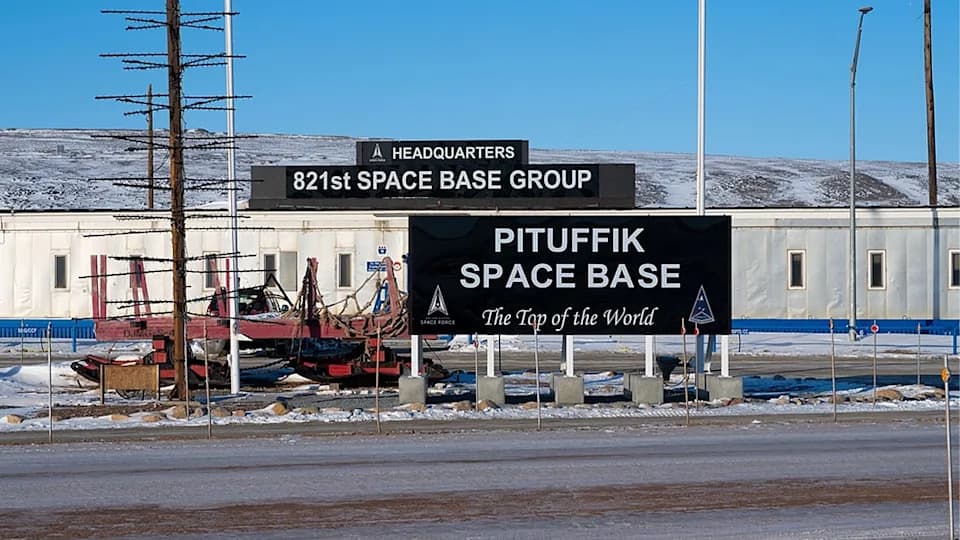
NORAD uses the same sensors and systems that defend the continent. Tracking starts with the North Warning System, a network of radar sites across Alaska and northern Canada that detects objects entering North America’s northern approaches. Space-Based Infrared System (SBIRS) satellites then pick up heat signatures — jokingly likened to "Rudolph’s nose" — and relay data to the operations center at Peterson Space Force Base in Colorado Springs.
Those radar and satellite feeds, the very systems that monitor ballistic missile launches and foreign aircraft, also feed the live Santa map many families follow on Christmas Eve. The online portal and mobile app handle millions of visits worldwide and rely on private-sector technology partners to manage the holiday surge in traffic.
The people who make it happen
Approximately 1,500 personnel assigned to NORAD and U.S. Northern Command at Peterson and nearby Cheyenne Mountain maintain continuous coverage, rotating holidays so colleagues can spend time with family. On Christmas Eve, hundreds of volunteers — including military spouses, retirees and local community members — staff phone banks and messaging operations to answer children’s questions about Santa’s whereabouts.
The operations room takes on a friendlier appearance that night: screens display the sleigh’s route, phones ring with calls from around the world, and there are cookies and coffee between workstations. For a few hours, a high-stakes command center briefly blends mission focus with holiday cheer.
Readiness remains the priority
Despite the festive overlay, NORAD’s core mission never pauses: watch officers, radar technicians and support staff continue to scan feeds, monitor satellite data and stay prepared to respond to any real threat. Recent popular portrayals of command-center decision-making have dramatized those pressures; an internal note from the Missile Defense Agency pushed back on a film scene that suggested a failed interceptor test, saying U.S. missile defense systems have 'displayed a 100% accuracy rate in testing for more than a decade.'
In short, NORAD’s holiday operation is both a charitable outreach and a reminder of the organization’s enduring mission: protecting North America around the clock. On the floor where the phones are answered and the consoles stay lit, the message is simple — someone always has the watch.
Help us improve.