The December full moon, known as the Cold Moon, will rise on Dec. 4, 2025, at 6:14 p.m. and is classified as a supermoon. Supermoons look about 14% larger and 30% brighter because the Moon is near perigee in its elliptical orbit. The name has Indigenous roots, and the Old Farmer's Almanac lists several traditional names. The next full moon, the Wolf Moon, will also be a supermoon on Jan. 3, 2026.
Cold Moon Supermoon Rises Dec. 4, 2025 — When and How to See It

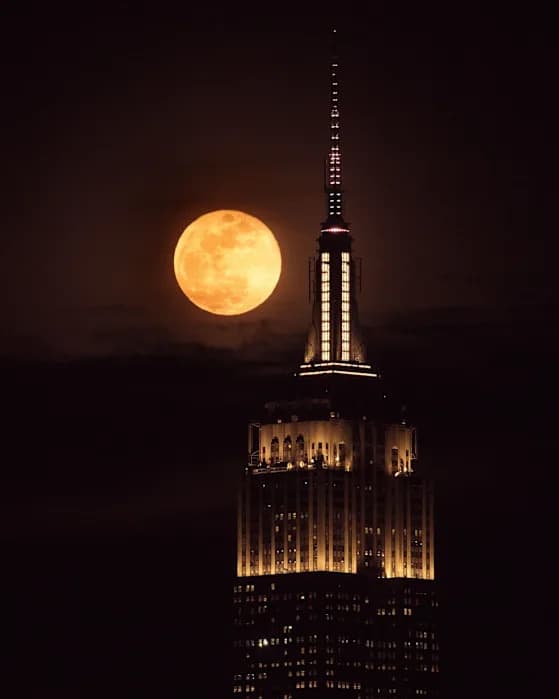
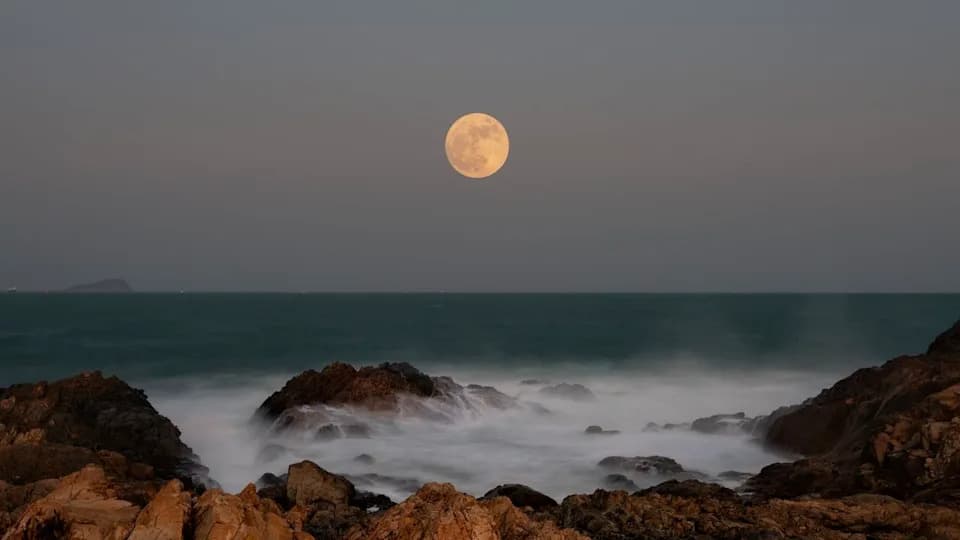
Get ready for one more bright full moon before the year ends. The December full moon, commonly called the Cold Moon, will rise on Thursday, Dec. 4, 2025, at 6:14 p.m., according to the Old Farmer's Almanac. This event is also classified as a supermoon, one of the last in a recent run of striking lunar displays.
Although there is no formal scientific definition for a supermoon, the Natural History Museum notes that a supermoon can appear about 14% larger and roughly 30% brighter than an average full moon. That apparent change in size and brightness is due to the Moon's elliptical orbit: when the Moon is near its closest point to Earth (perigee) it can produce a supermoon; when it is near its farthest point (apogee) observers may notice a smaller "micromoon."
The name Cold Moon comes from seasonal and Indigenous naming traditions. The Old Farmer's Almanac says the Cold Moon is a Mohawk name that reflects the frigid conditions of early December and that it has also been called the Long Night Moon (Mohican) because it appears during the long nights around the winter solstice.
Other traditional names listed by the Almanac include:
Drift Clearing Moon (Cree)
Frost Exploding Trees Moon (Cree)
Moon of the Popping Trees (Oglala)
Hoar Frost Moon (Cree)
Snow Moon (Haida, Cherokee)
Winter Maker Moon (Western Abenaki)
Moon When the Deer Shed Their Antlers (Dakota)
Little Spirit Moon (Anishinaabe)
No special equipment is required to enjoy the Cold Moon — it will be visible to the naked eye — but binoculars or a small telescope will reveal surface details and make the view more dramatic. In a past interview, Tim Brothers, an MIT technical instructor and observatory manager, recommended using a quality telescope or binoculars for the best stargazing experience.
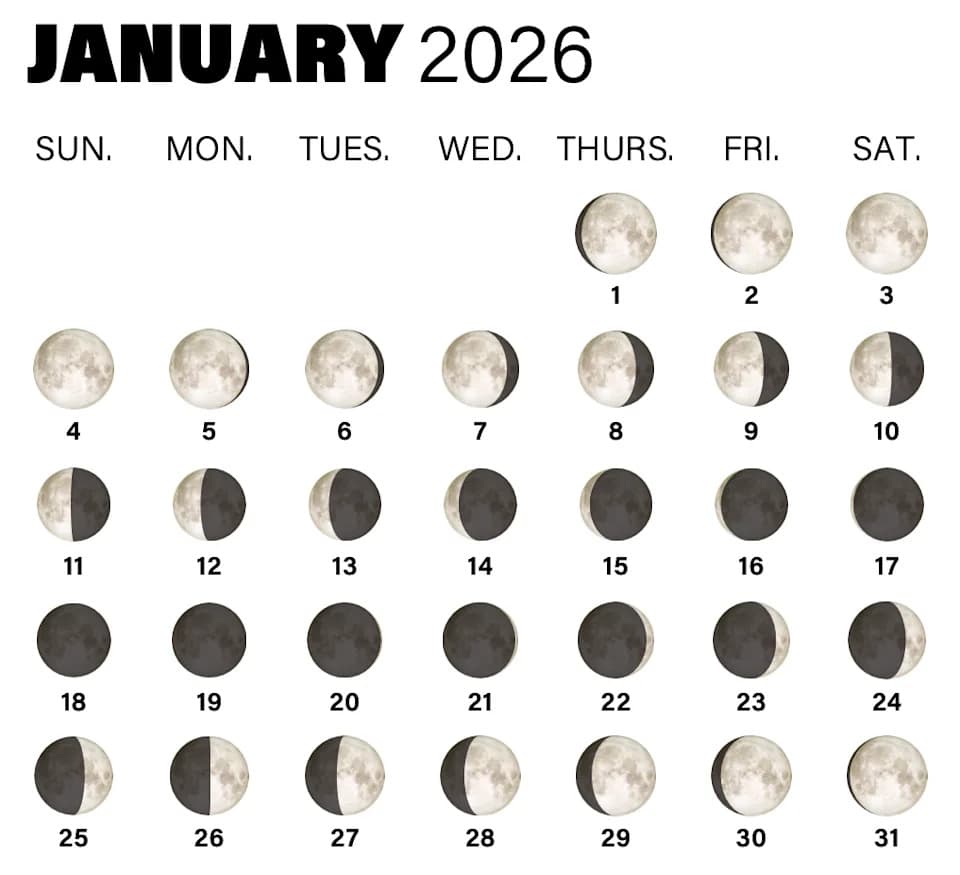
Looking ahead, the first full moon of 2026 — the Wolf Moon — will also be a supermoon. It is expected to rise on Jan. 3, 2026, with peak illumination around 5:03 a.m., according to the Farmer's Almanac.
Help us improve.