Amazon workers in over 30 countries launched coordinated strikes and protests on Black Friday to begin the sixth annual "Make Amazon Pay" campaign, with actions continuing through Dec. 1. Organizers targeted dangerous heat in warehouses, intense productivity pressure, Amazon’s AI and data‑center expansion, climate impacts, and ties to immigration enforcement. A UNI Global Union survey of 474 Indian workers found about three‑quarters needed medical attention for heat exposure, and an open letter from 1,000+ employees criticized the company’s AI investments. Demonstrations took place across Asia, Europe, North America and beyond, as labor groups press for enforceable protections and greater worker voice over technology and safety decisions.
Global 'Make Amazon Pay' Protests Surge on Black Friday Over Heat, AI Expansion and ICE Ties
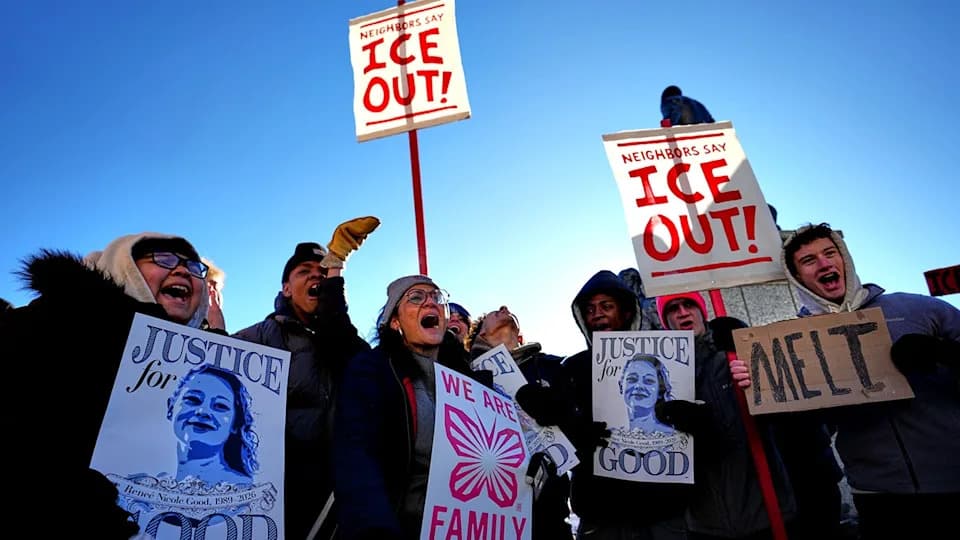
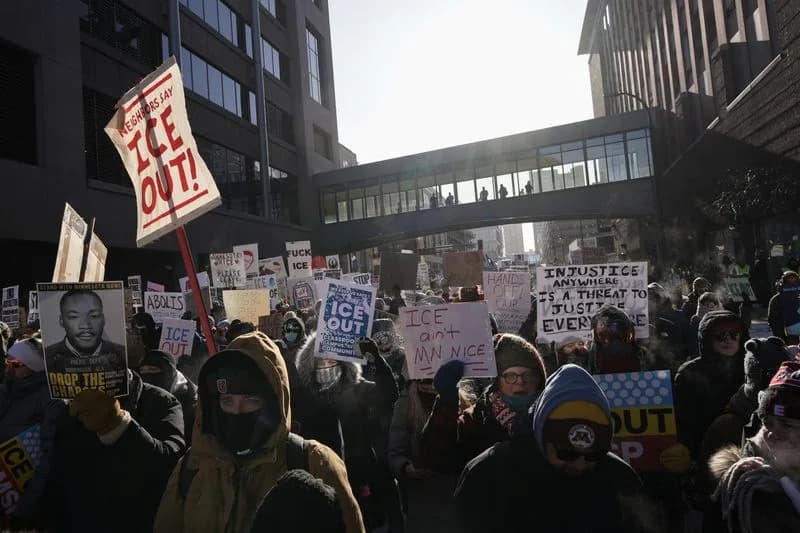
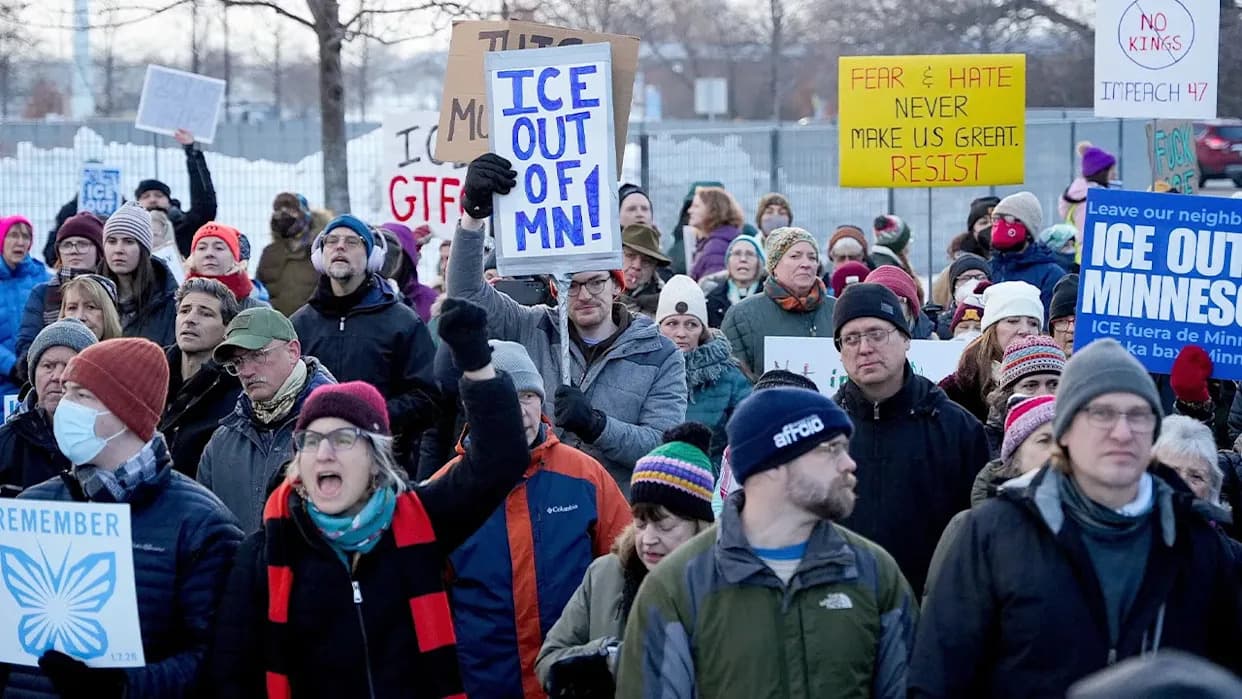
Workers at Amazon staged coordinated strikes, walkouts and rallies in more than 30 countries on Black Friday to launch the sixth annual "Make Amazon Pay" campaign, organizers said. The actions—running through Dec. 1—target unsafe heat in warehouses, relentless productivity pressure, Amazon’s rapid AI and cloud expansion, its climate footprint, and commercial ties to immigration and law‑enforcement agencies.
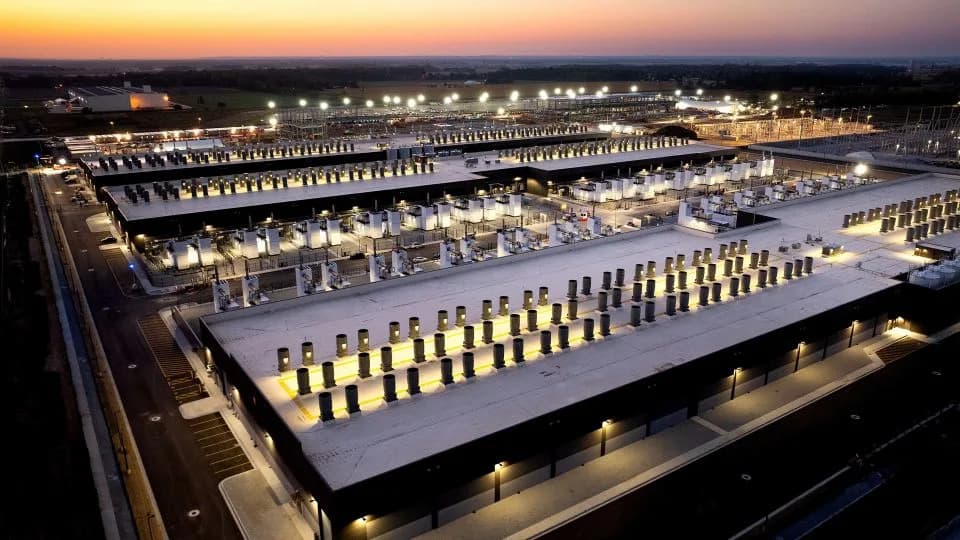
UNI Global Union and Progressive International helped organize the global wave of demonstrations that hit warehouses, data centers, corporate offices and public spaces. Organizers described the mobilization as the movement’s largest to date and said it represents mounting frustration among frontline and corporate employees alike.
What protesters are demanding
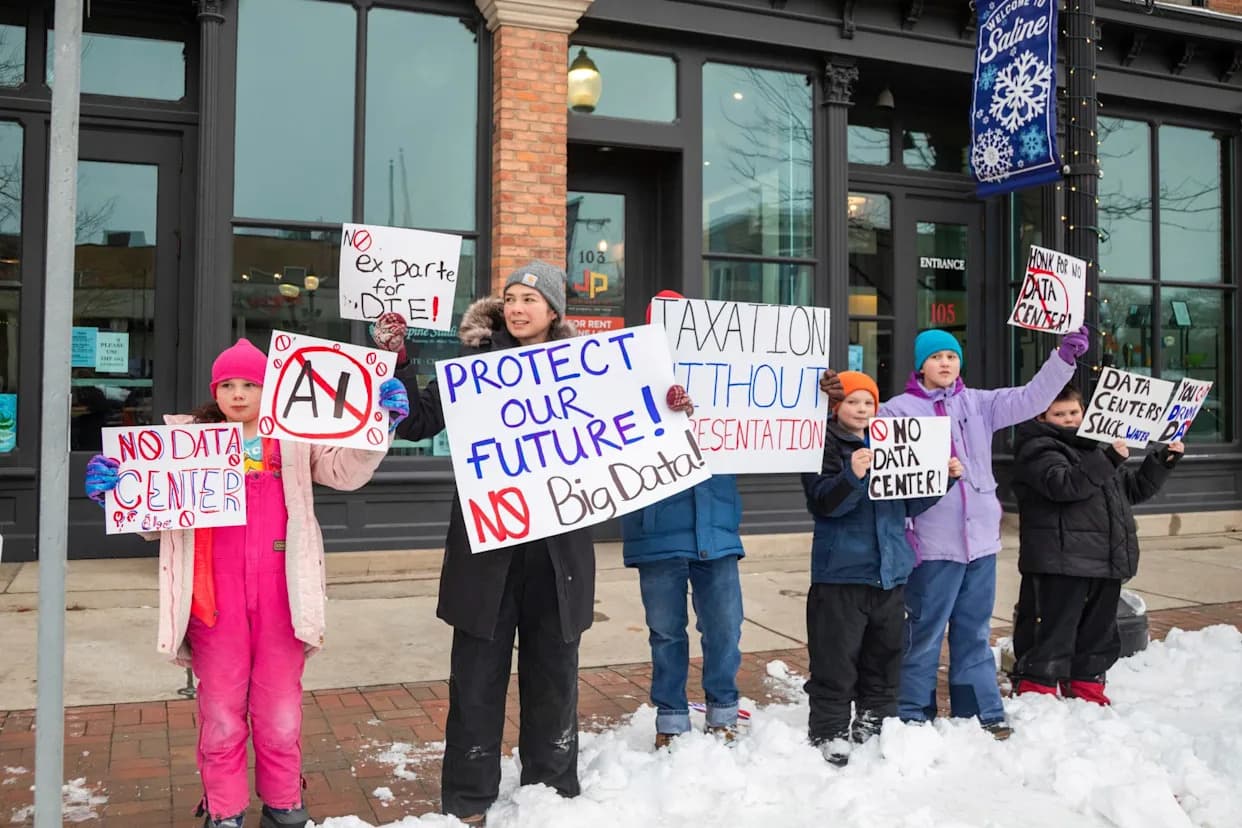
Protesters and union organizers are calling for enforceable heat protections, stronger workplace health and safety standards, fairer wages, and meaningful worker input on the deployment of workplace technologies. A prominent internal letter from more than 1,000 Amazon corporate employees also urged the company to power all data centers with renewable energy, create worker committees with real authority over AI decisions, and refuse to supply AI tools for "violence, surveillance, or mass deportation."
Evidence and grievances
A UNI Global Union survey of 474 Amazon warehouse and delivery workers in India, conducted in June and July, found that roughly three‑quarters said they or a colleague required medical attention due to heat exposure; more than half described conditions as "extremely hot and unsafe" or "unbearable." The findings echo calls from rights bodies after reports that some workers were discouraged from taking water breaks during severe heat events.
Christy Hoffman, general secretary of UNI Global Union: "Amazon, Jeff Bezos, and their political allies are betting on a techno‑authoritarian future, but this Make Amazon Pay Day, workers everywhere are saying: enough."
Global reach and local actions
Large demonstrations took place in India (including New Delhi, Kolkata and Mumbai), across major U.S. cities, Germany, Canada, Australia and many other countries. In Germany the services union Ver.di reported about 3,000 workers at nine logistics sites took part in stoppages as it pushes for a collective bargaining agreement. In Canada, unions in Montreal called for a boycott after the closure of several Quebec distribution centers earlier this year that cost roughly 4,500 jobs; union leaders alleged the shutdowns were timed to undercut organizing efforts.
Company response and context
An Amazon spokesperson responded that the company "provides great pay, great benefits, and great opportunities — all from day one," noting it directly employs more than 1.5 million people worldwide and aims to offer modern, safe workplaces in both offices and operations buildings. Amazon has also said holiday walkouts would not affect customer deliveries and that its compensation is competitive.
Organizers additionally raised broader concerns about a "techno‑authoritarian" future: they accused Amazon of political donations linked to high‑profile events and pointed to filings they say show the company paid significantly less in taxes. Activists also highlighted Amazon’s contracts and services they say enable immigration enforcement operations.
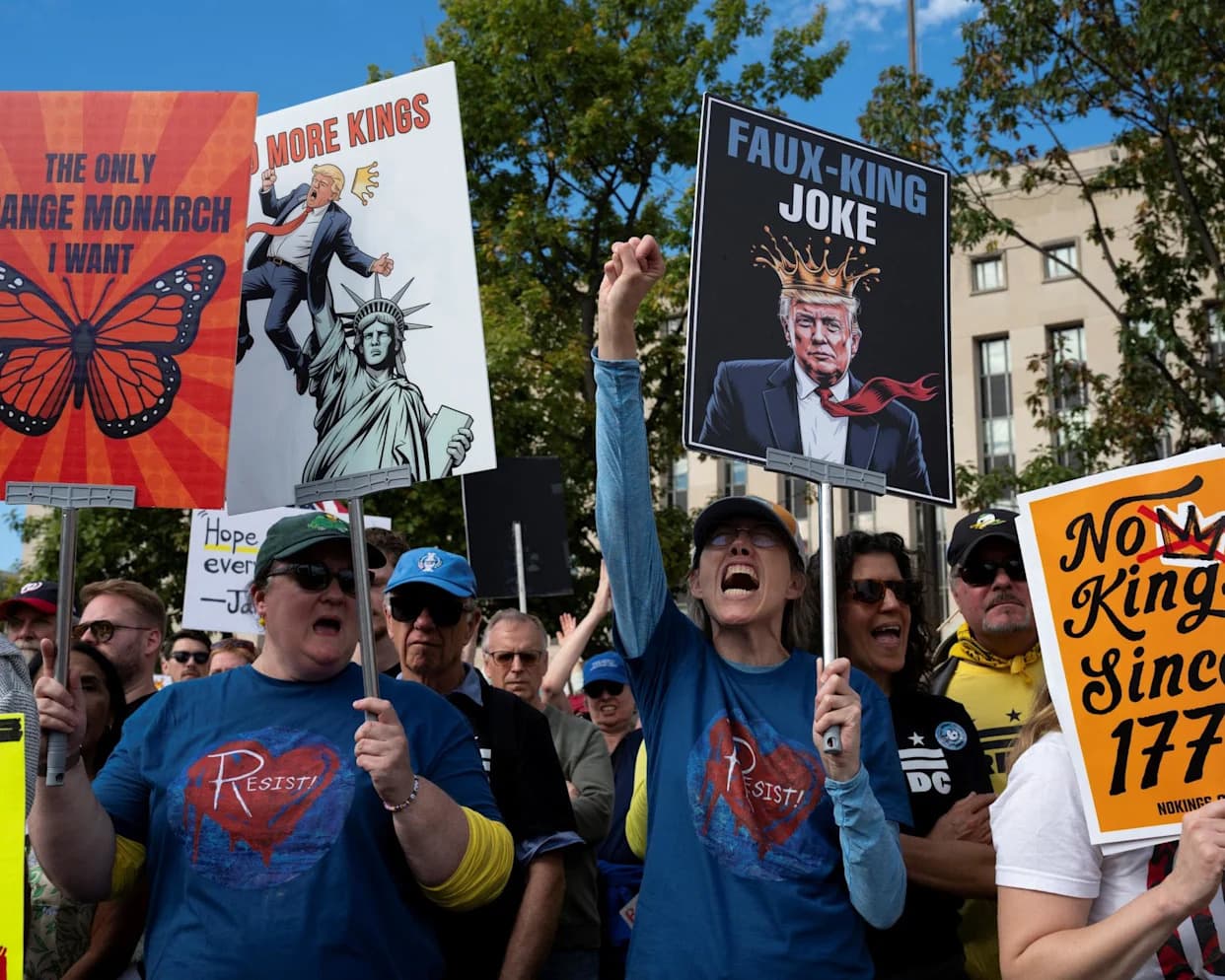
David Adler, co‑general coordinator of Progressive International: "Amazon is no longer just a retailer — it is a pillar of a new authoritarian order built on surveillance and exploitation."
Recent labor outcomes
The campaign comes amid some recent union wins: a Delta, British Columbia warehouse became the first Canadian Amazon facility to win union representation after labor officials found the company had improperly interfered with organizing. Amazon is contesting that ruling.
The Black Friday actions reflect a widening coalition of frontline workers, corporate staff and international labor groups pressing for material changes to safety, climate and technology policies at one of the world’s largest employers.
Help us improve.