The funding bill that ended the recent federal shutdown included a provision banning intoxicating hemp‑derived beverages and edibles, scheduled to take effect in November 2026. The move targets products that exploit a loophole in the 2018 farm bill by converting nonintoxicating CBD into intoxicating forms of THC such as delta‑8. States, craft brewers and hemp producers warn the ban could cost jobs and tax revenue; supporters say it will protect children and close an unsafe market. Lawmakers are weighing regulatory compromises — including age limits and bans on synthetic THC — during the one‑year pause before the ban takes effect.
Federal Ban on Hemp‑Derived THC Drinks and Snacks Could Upend a $24B Industry — Farmers, Brewers and States Brace

By Steve Karnowski and Gene Johnson
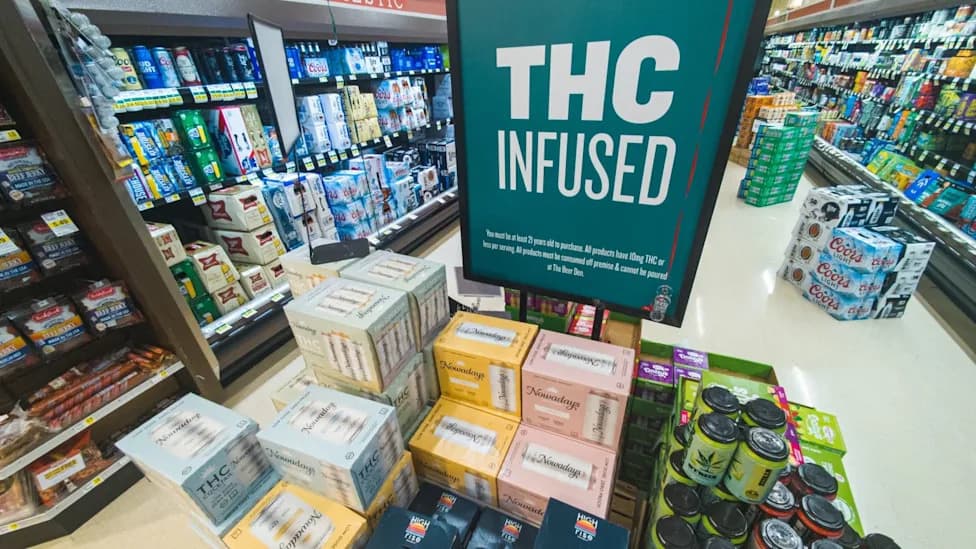
Indeed Brewing and other small breweries found a new revenue stream in THC‑infused seltzers as alcohol sales declined. That growth now faces an abrupt threat: a provision tucked into the federal funding bill that ended the recent government shutdown would ban intoxicating hemp‑derived beverages and edibles, with the rule scheduled to take effect in November 2026. The roughly $24 billion hemp industry — from farmers to craft brewers and retailers — is racing to respond.
How the market grew
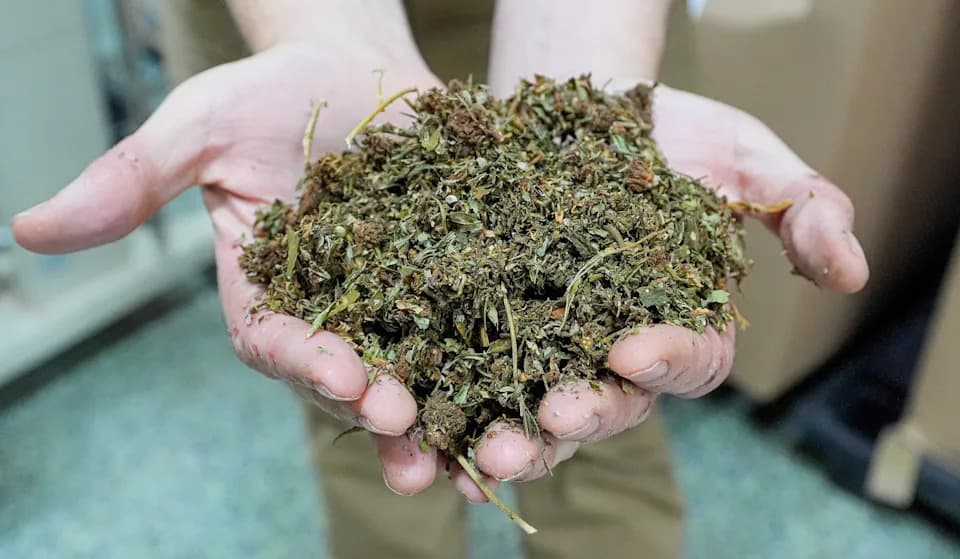
Hemp and marijuana are the same species botanically, but they are cultivated for different purposes. Marijuana is grown for high levels of tetrahydrocannabinol (THC) in its flowers; industrial hemp is defined in federal law as containing less than 0.3% of a specific form of THC, delta‑9, and has long been raised for fiber, food and wellness products.
The 2018 farm bill legalized industrial hemp, but the 0.3% delta‑9 threshold created an unintended loophole. Products could meet the legal limit on delta‑9 yet still contain enough hemp‑derived THC, often in other forms such as delta‑8 or delta‑10, to produce impairment. Makers discovered they could extract CBD and chemically convert it into these intoxicating compounds, spawning an array of largely unregulated items: vape oils, gummies, chips, cookies and sodas.
Public health and market concerns
Those products quickly proliferated across the country, appearing in convenience stores, gas stations and some retail chains — sometimes accessible to minors. States reported rising calls to poison control centers for pediatric THC exposures. In legal cannabis states, inexpensive hemp‑derived THC often undercut taxed, regulated marijuana markets; in other states it became a way to obtain intoxicating products where recreational marijuana remained prohibited.
“It’s a big deal,” said Ryan Bandy, chief business officer at Indeed Brewing. “It would be a mess for our breweries, for our industry, and obviously for a lot of people who like these things.”
State responses
Dozens of states have moved to regulate or ban intoxicating hemp products. California banned the sale of intoxicating hemp products outside its regulated marijuana market. Texas is developing restrictions such as 21+ sales limits. Nebraska considered criminalization. Washington state tightened its program and saw licensed hemp growers drop sharply, from about 220 five years ago to 42 this year; officials expect further declines if the federal ban is enacted.
Some states, like Minnesota, legalized infused foods and beverages for adults over 21 under strict rules requiring certified hemp sources. Those products have become popular in parts of Minnesota, where some national retailers now sell THC drinks. For small breweries such as Bauhaus Brew Labs and Indeed, THC drinks have become a material share of revenue.
The federal move and political response
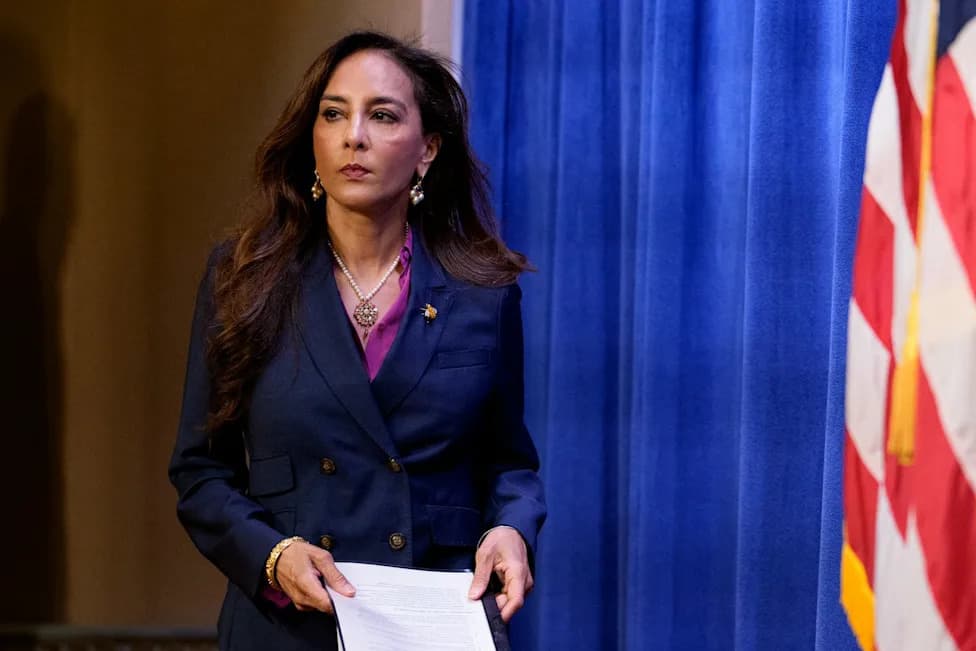
Sen. Mitch McConnell inserted the hemp‑THC ban into the government‑funding bill that ended a 43‑day shutdown; the measure passed the Senate in November. McConnell said the language would keep intoxicating hemp products out of children's hands while preserving industrial hemp and CBD for legitimate nonintoxicating uses.
Supporters in the legal cannabis industry and some public‑health advocates praised the change as closing an unfair and unsafe loophole. Opponents — including hemp producers, craft brewers and trade groups — argue the provision was added without hearings and that better regulation, not an outright ban, could address the harms.
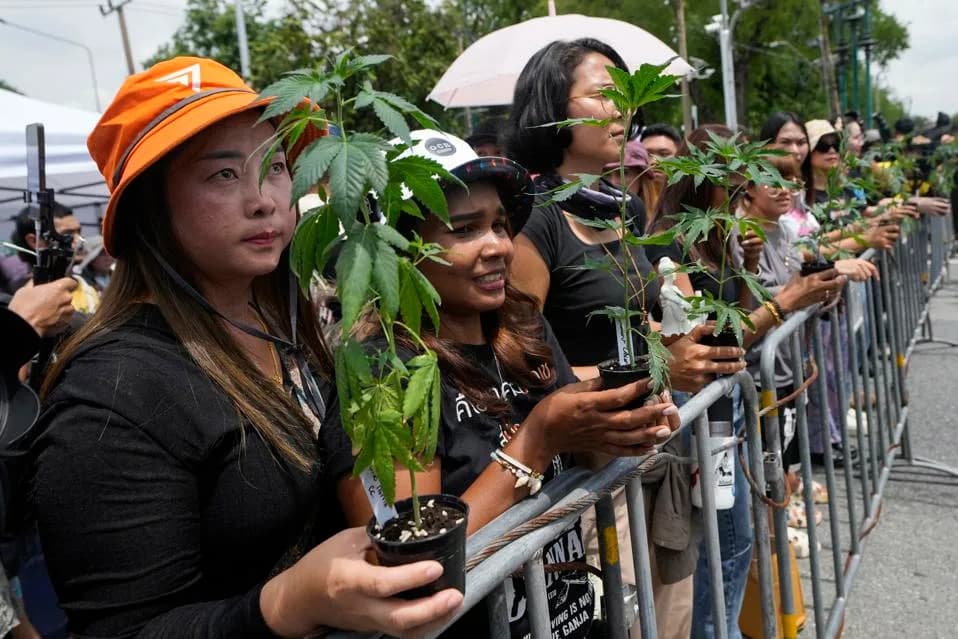
“If they really thought there was a health emergency, there would be no year‑long period,” said Jonathan Miller, general counsel for the U.S. Hemp Roundtable, which warns a federal ban could threaten more than 300,000 jobs and cost states about $1.5 billion in tax revenue.
Some lawmakers are pushing alternatives. Sen. Rand Paul offered an amendment to strip the hemp language from the funding bill; it failed on a 76‑24 vote. Senators Amy Klobuchar and Tina Smith of Minnesota are exploring ways to preserve regulated markets, including giving states authority to craft their own frameworks or adopting stricter state rules as a national model.
What comes next
The ban does not take effect until November 2026, leaving roughly a year for lawmakers, regulators and industry groups to seek compromises: banning synthetically derived THC, imposing age restrictions, strengthening labeling and child‑resistant packaging, and prohibiting marketing aimed at minors. For farmers and small businesses making planting and investment decisions, that window is still too uncertain.
“If a farmer has uncertainty, they’re not going to plant,” said Kevin Hilliard, co‑founder of Insight Brewing in Minneapolis.
With high stakes on all sides — public health, law enforcement, market fairness, jobs and taxes — the debate at state and federal levels is likely to intensify in the coming months as stakeholders try to decide whether tighter regulation can address the risks or whether an outright ban is necessary.
Help us improve.