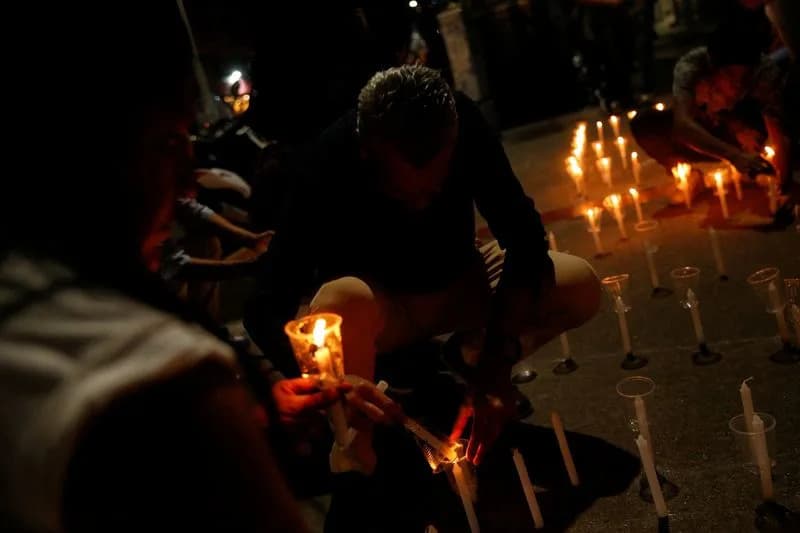
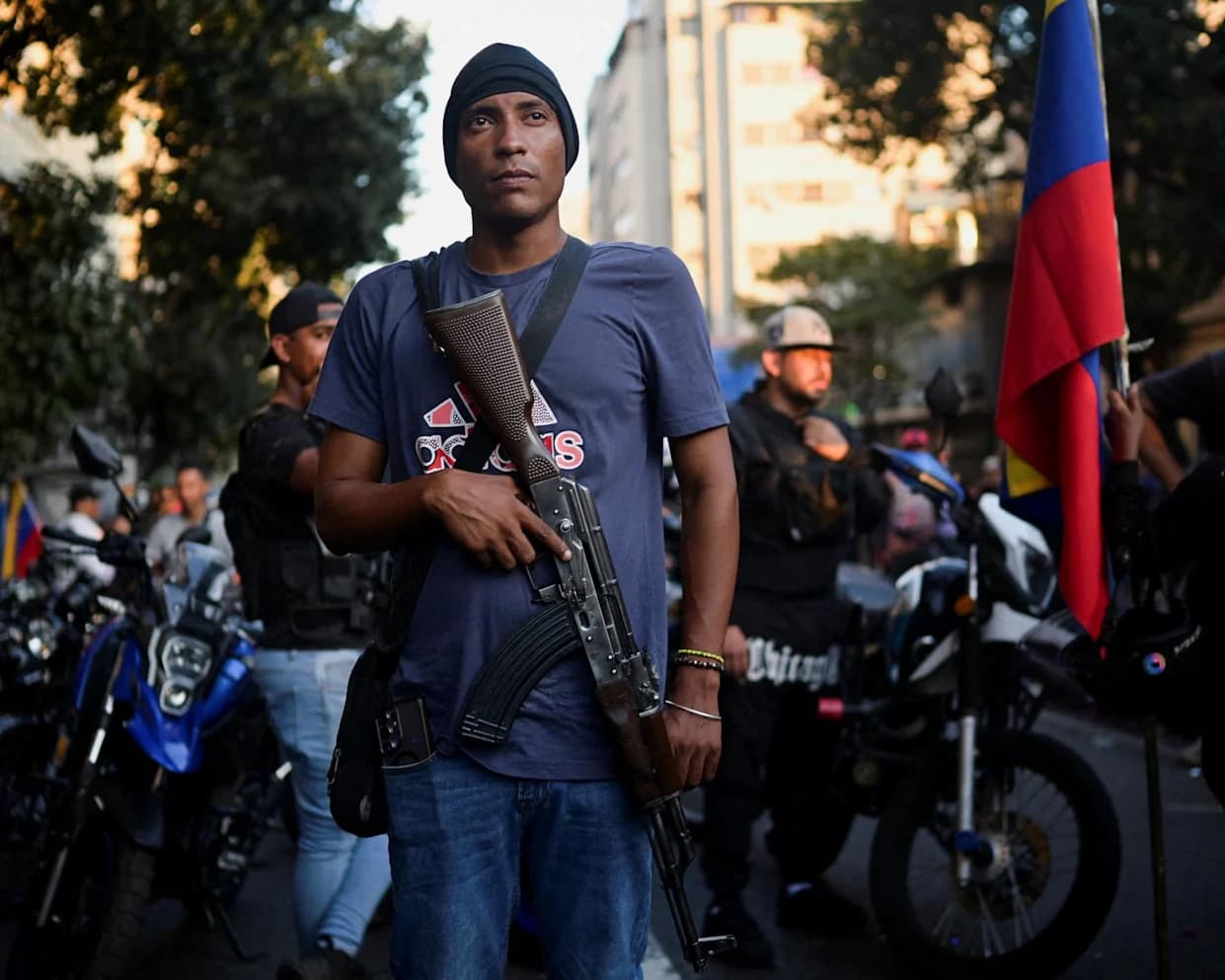
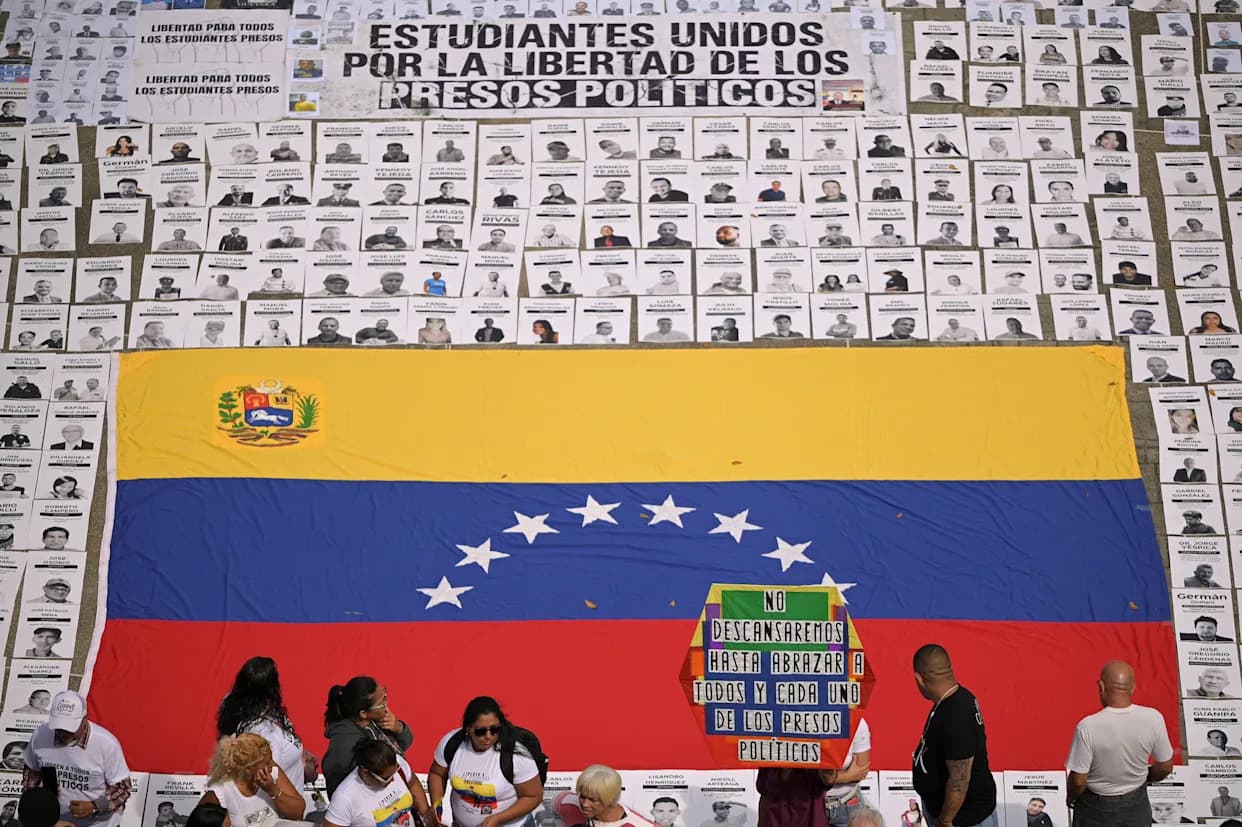
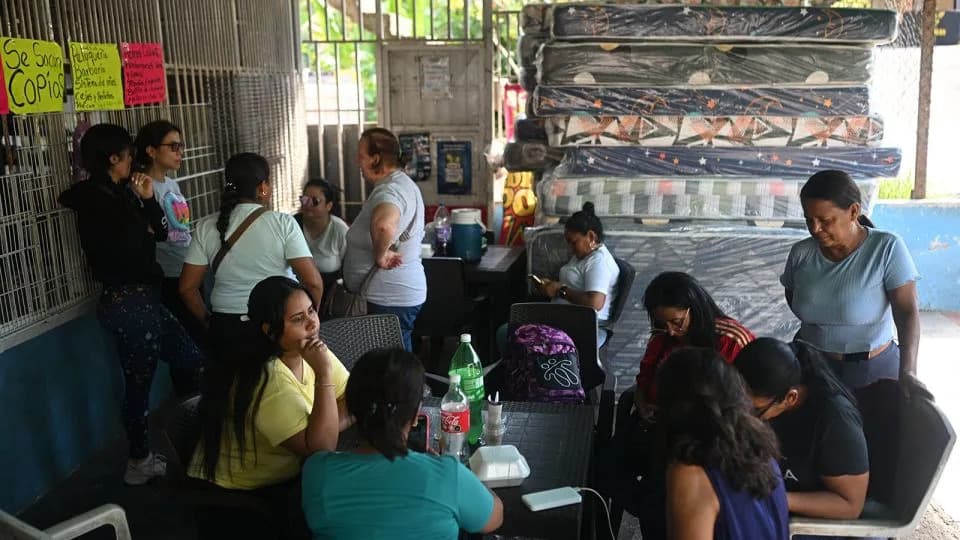
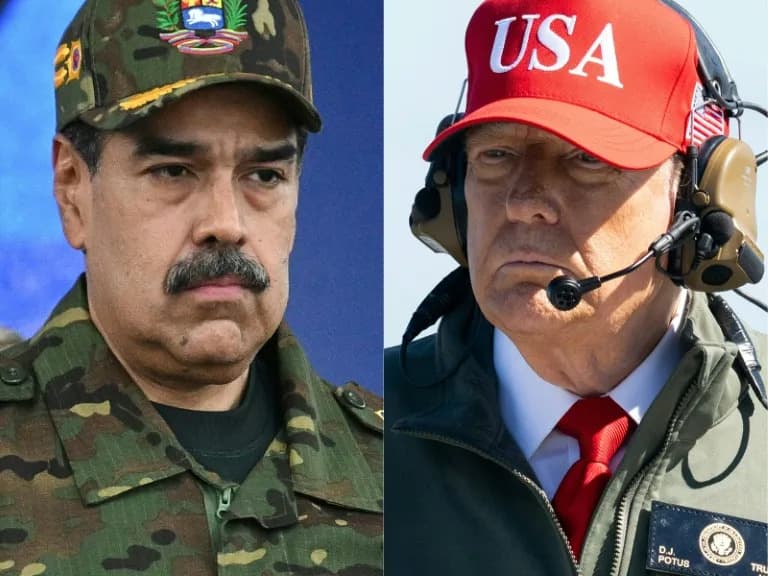
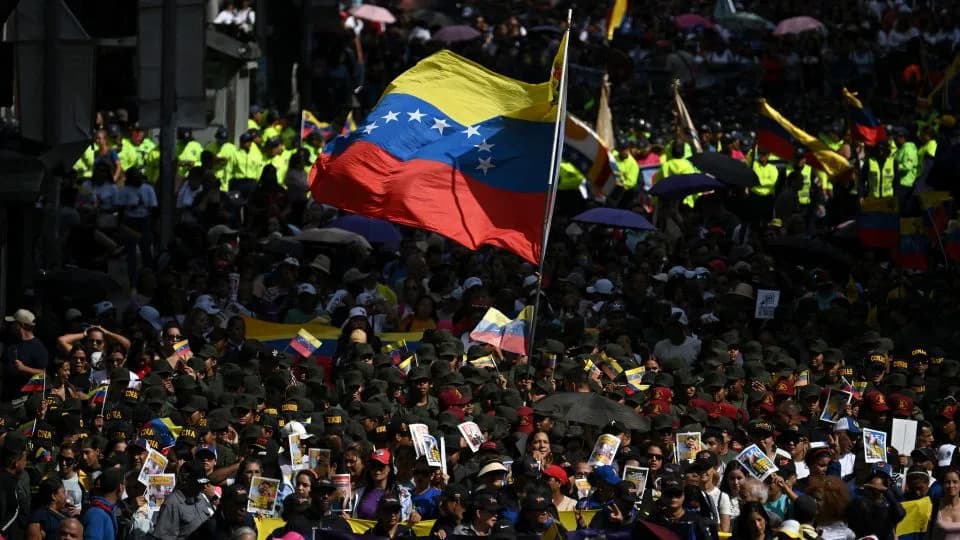
Human rights groups say Venezuela is entering one of its most repressive periods in years as President Nicolás Maduro faces growing international pressure. Rights organizations report a shift toward targeted detentions aimed at neutralizing opposition organizers, with Provea documenting 54 arrests in October and Vente Venezuela recording 232 arbitrary detentions so far in 2025. High-profile incidents — including the disappearance of 16-year-old Samanta Hernández Castillo and a 30-year sentence handed to Dr. Marggie Orozco — highlight concerns that the justice system is increasingly used against political opponents.
Maduro Intensifies Repression in Venezuela as International Pressure Grows

Venezuela is experiencing one of its most repressive periods in years, rights monitors say, as President Nicolás Maduro faces increasing diplomatic isolation and a growing U.S. military presence in the region. Observers report a shift from broad crackdowns to more targeted, selective detentions aimed at neutralizing opposition organizing.
Rising pattern of targeted detentions
Provea, a leading Venezuelan human rights organization, documented 54 detentions in October — the highest monthly total since tensions escalated — many involving people linked to opposition leader María Corina Machado. The opposition group Vente Venezuela reports 232 arbitrary detentions so far in 2025, roughly one every 32 hours, with 143 of those cases involving members of its movement. By comparison, Vente Venezuela recorded about 2,500 arrests in 2024.
'This is a policy designed to instill fear among Venezuelans,' said Marino Alvarado, Provea's coordinator, warning of deteriorating prison conditions, overcrowding and punitive treatment of political detainees.
Orlando Moreno, who heads Vente Venezuela's human rights committee, says the government now favors 'surgical' operations: politically motivated kidnappings and selective detentions intended to 'decapitate opposition leadership' by removing key organizers rather than filling prisons en masse.
High-profile family cases and sentences
The Hernández Castillo family's ordeal illustrates this trend. On November 19, men wearing metro uniforms — some identifying themselves as officers of the Bolivarian National Police, others as members of the Organized Crime Division and a few without identification — entered the Caracas home of 16-year-old Samanta Sofía Hernández Castillo at night. Relatives report the men threatened her grandparents with firearms before taking the teenager; the family still does not know her whereabouts.
Two days later the family learned that Samanta's 19-year-old sister, Aranza, had been detained in Maracaibo. Both girls are siblings of Lieutenant Cristian Hernández, who fled the country after alleging persecution on conspiracy charges. Cristian's wife, Maykelis Borges, was arrested while pregnant on January 29, 2025, and later gave birth while held in a women's prison; family members say she was denied private counsel and assigned a public defender. The sisters' uncle, agricultural producer Henry Castillo, was taken on January 24; the family considers him a case of enforced disappearance.
On November 16, Dr. Marggie Orozco, 65, was sentenced to 30 years — the maximum under Venezuelan law — after convictions for treason, incitement to hatred and conspiracy. According to relatives and rights groups, the case stems from an audio message she shared urging people to vote in the 2024 presidential election. Provea and family members describe the sentence as disproportionate and emblematic of a politicized justice system.
Human rights concerns and international response
Reports persist of torture, prolonged isolation and inhumane conditions across detention centers, even as the U.N. Fact-Finding Mission has documented due-process violations and mistreatment of detainees. Rights monitors warn that the use of selective detention and alleged 'hostage diplomacy' — holding Venezuelan and foreign detainees as bargaining chips — increases the risk of further abuses.
Venezuelan officials publicly maintain that detainees' rights and legal protections are respected and have dismissed international allegations as interventionist and biased. Government ministries named in these cases have not provided substantive public responses to the specific allegations cited by rights groups.
Outlook
Human rights organizations warn that if external tensions, particularly with the U.S., continue to intensify, the government may escalate its strategy of selective repression. Citizens and activists remain subject to pressure on multiple fronts amid deep uncertainty about the country's political future.
Help us improve.