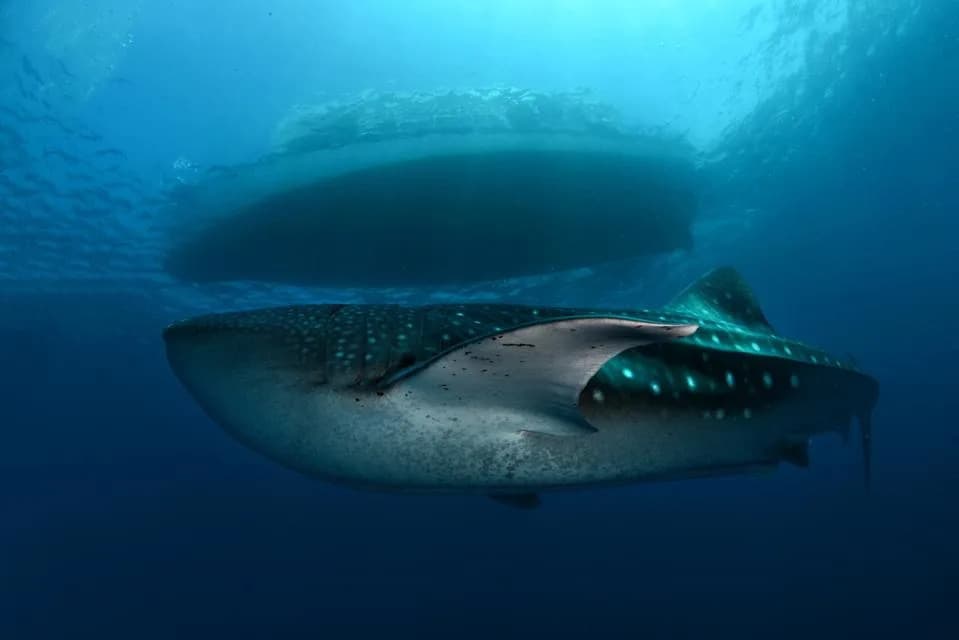
The CITES meeting in Samarkand approved stronger trade protections for dozens of sharks and rays, including commercial bans for devil rays and whale sharks. New restrictions target smooth-hound sharks (including dogfish) and impose zero export quotas for some guitarfish, while the oceanic whitetip was elevated to a trade ban. Conservation groups say these measures are urgent because many of the listed species reproduce slowly and cannot withstand heavy fishing pressure. Final confirmation of the measures is pending plenary approval.
CITES in Samarkand Approves Stronger International Protections for Sharks and Rays

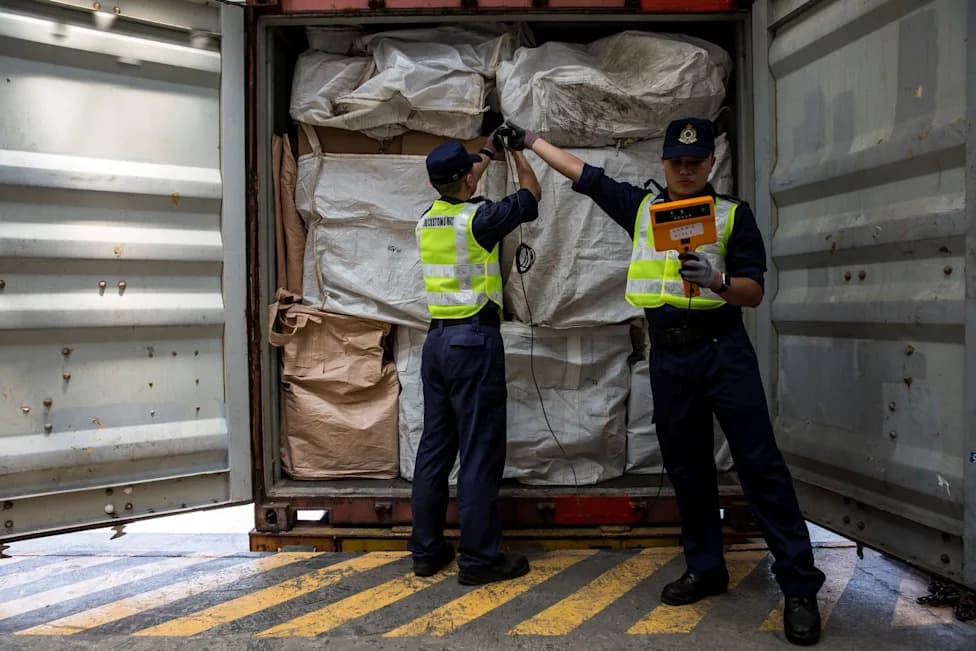
The CITES World Species Conference in Samarkand voted on Friday to strengthen international protections for dozens of shark and ray species, aiming to curb overfishing and illegal trade.
Key measures agreed
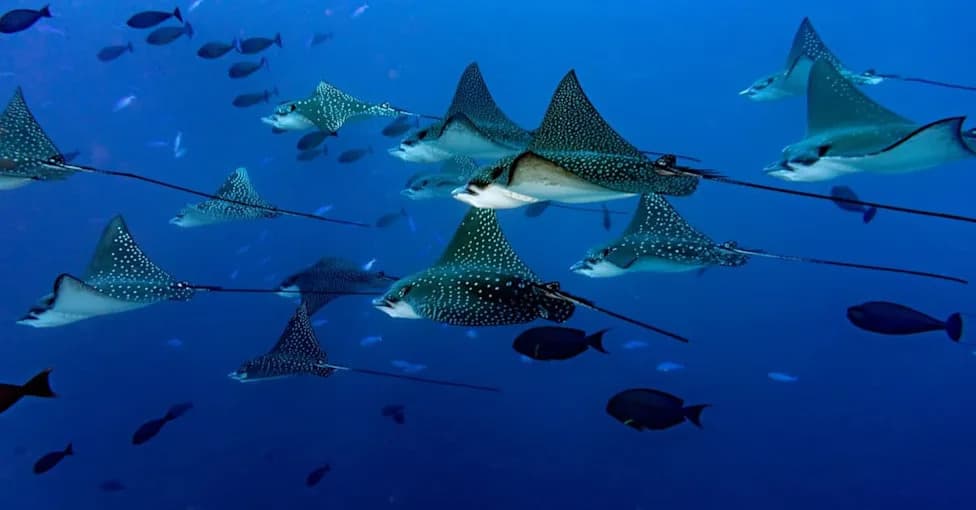
- Commercial trade bans for endangered devil rays and whale sharks.
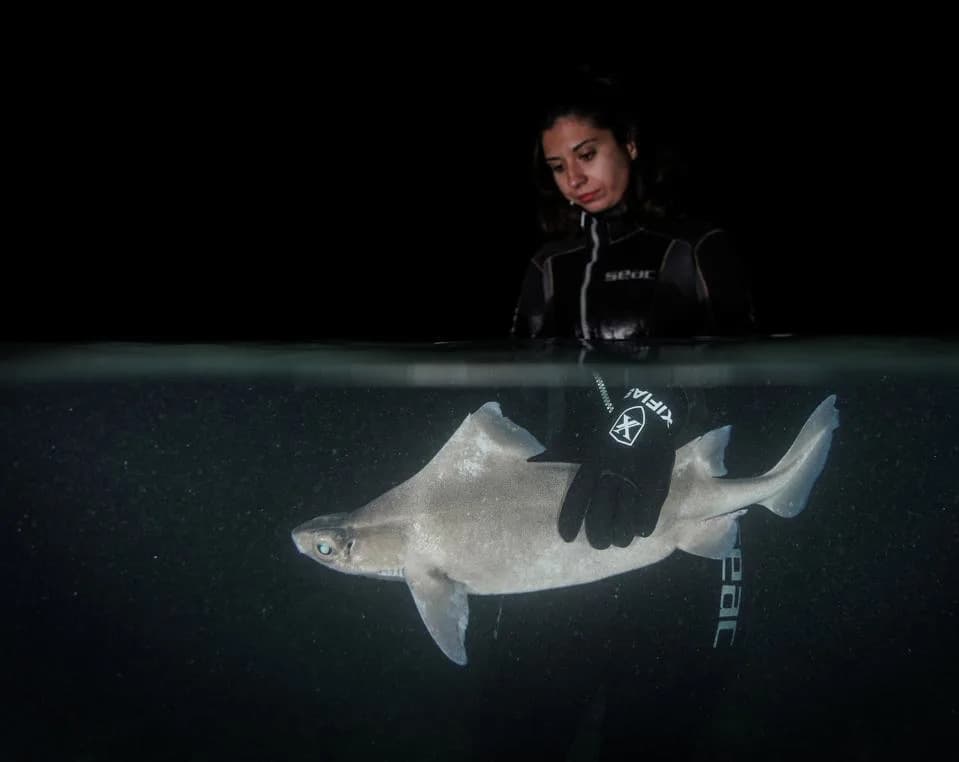
- Strict trade restrictions for species in the smooth-hound shark group, including dogfish.
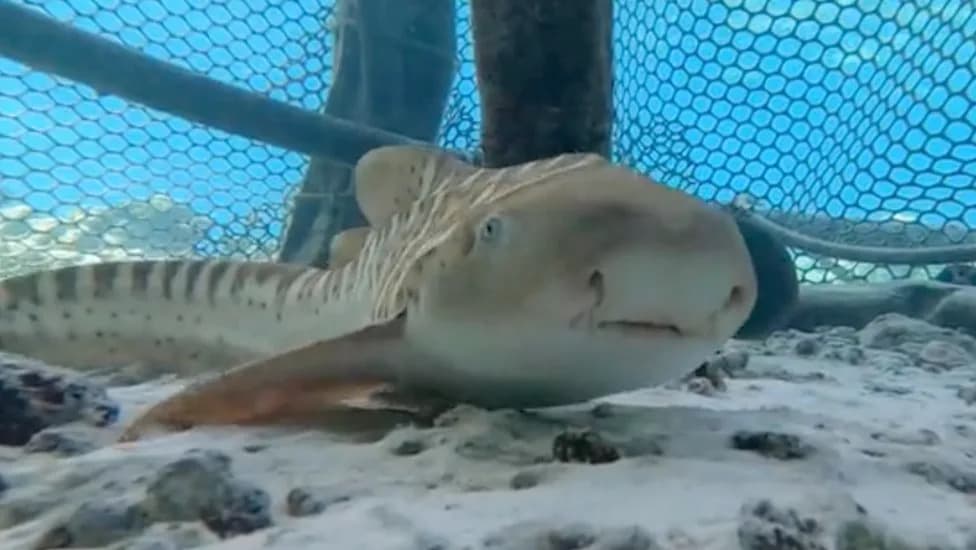
- Zero export quotas for several guitarfish species caught in the wild.
- Elevation of the endangered oceanic whitetip shark to a commercial trade ban (decided on Thursday).
These decisions cover dozens of species but must still be confirmed in plenary before they take full effect.
Reactions from conservation groups
Environmental organizations welcomed the moves as necessary to protect slow-reproducing species. Heike Zidowitz of WWF Germany said: "The dogfish, which is native to our region and threatened with extinction, will be better protected because it can only be traded in a controlled manner." Ralf Sonntag of Pro Wildlife added: "All sharks and rays that are now better protected have a very low reproduction rate, so their populations cannot compensate for massive fishing."
About CITES
The Washington Convention on International Trade in Endangered Species (CITES) regulates international trade in threatened animals and plants. Its goal is to ensure that trade does not threaten the survival of species in the wild.
Delegates from CITES signatory states have been meeting in Samarkand since Monday to negotiate listings and related measures; the conference will confirm the final decisions in plenary at its close.
Help us improve.