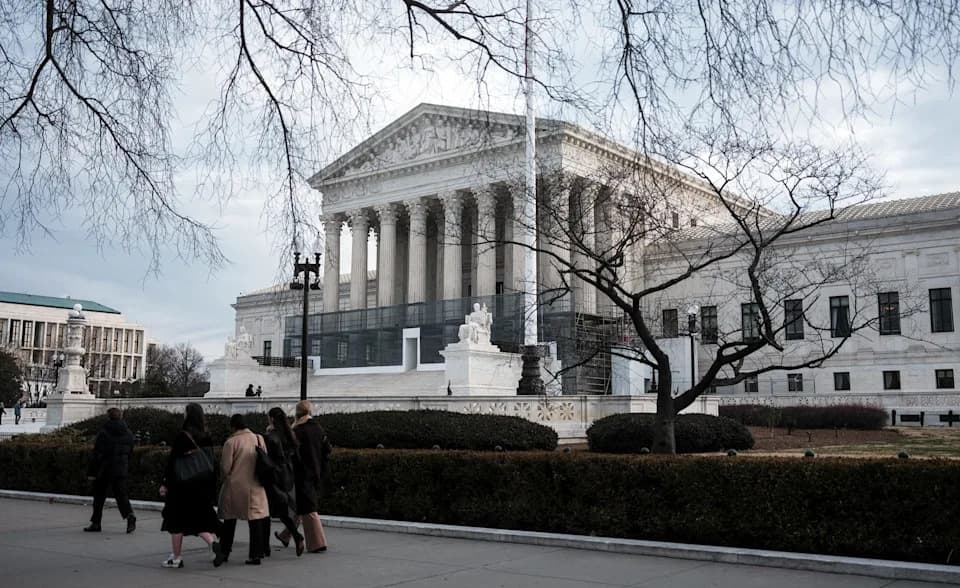
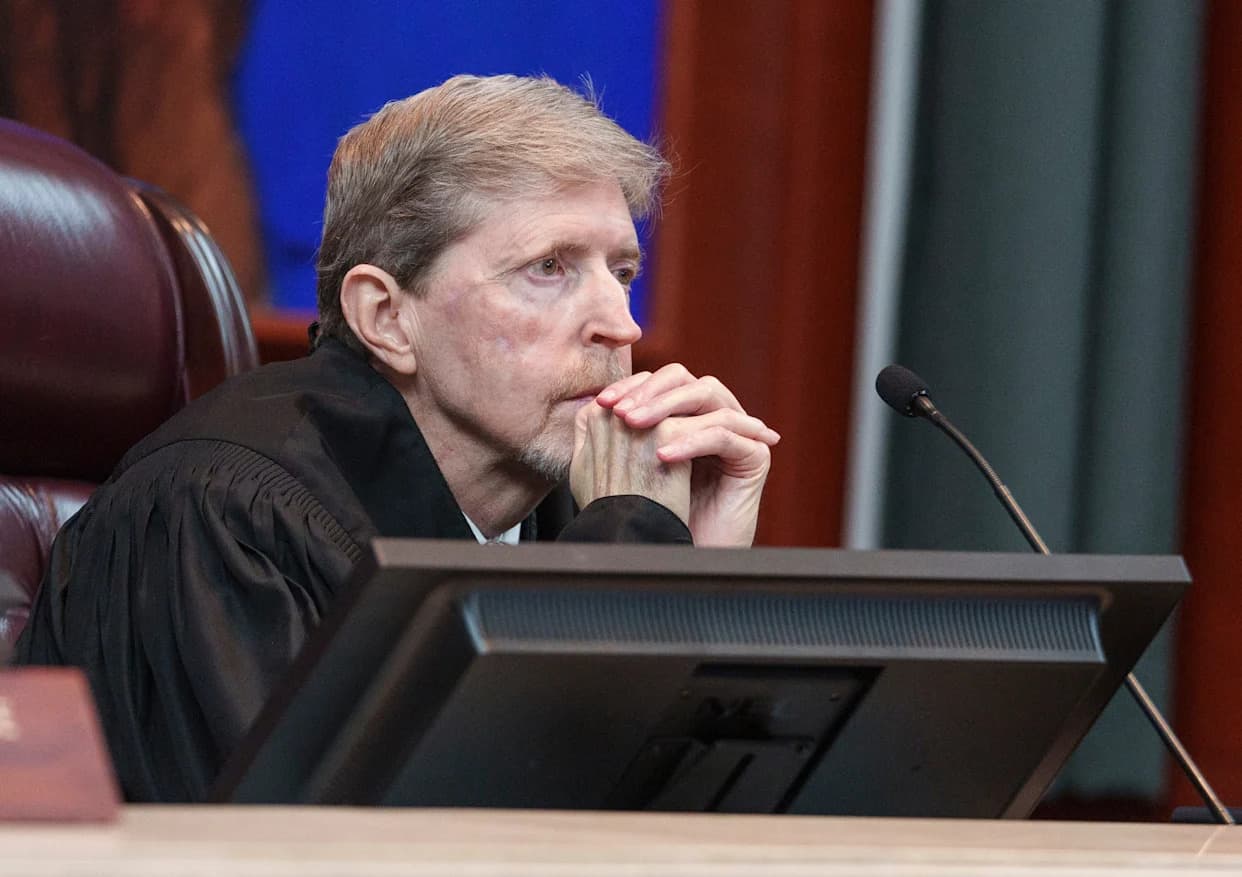
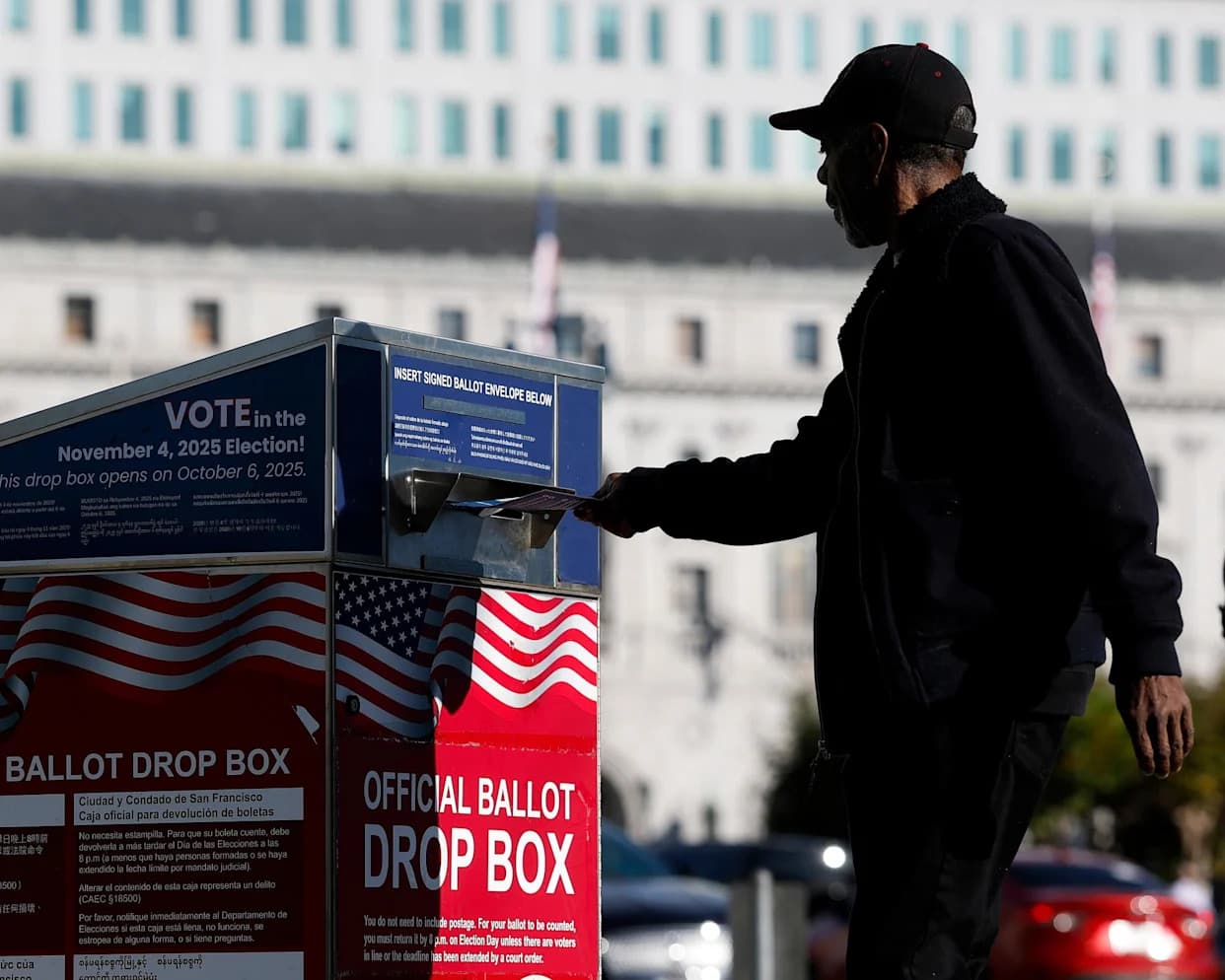
Wisconsin’s April Supreme Court election has become a central test for Republicans after three successive wins for liberal-backed candidates since 2020. GOP strategists are split between embracing a partisan, Trump-aligned approach and presenting a nonpartisan, qualifications-first message. The court’s recent rulings on abortion and school funding have heightened the stakes, and both parties see turnout strategy as decisive in the low-participation spring contest.
Wisconsin Supreme Court Showdown: Republicans Split Over Partisan Push or Judicial Independence

Republicans in Wisconsin are sharply divided about how to fight a pivotal April Supreme Court election that could signal whether the party can reverse a recent string of losses in statewide judicial races. With liberal-backed candidates winning three straight contests since 2020, GOP strategists are debating whether to run openly under the Republican banner — including appealing to Trump-aligned voters — or to emphasize judicial experience and downplay partisan labels.
Why this race matters
Although Wisconsin’s judicial elections are technically nonpartisan, the state's Supreme Court has decided high-stakes issues that have drawn tens of millions in outside spending. In recent months the liberal majority struck down a 176-year-old abortion ban and permitted Gov. Tony Evers to use a line-item veto in a move supporters described as locking in a long-term school funding change. Democrats also hope the court will hear a redistricting case before the 2026 election.
Candidates and strategy
So far, Maria Lazar, a longtime appellate judge from the Milwaukee suburbs, and Chris Taylor, a former Democratic state lawmaker appointed to a lower court by Gov. Tony Evers, have filed for the seat. Lazar argues the best way to compete is to refocus the contest on judicial qualifications rather than partisan identity.
"This is not a Republican versus a Democrat," Lazar said. "This is a judicial race... I am, through and through and all the way, a judge, not a politician."
Others in the party worry that distancing a candidate from the GOP brand will not be enough to reverse recent trends. Brandon Scholz, a former Wisconsin Republican Party executive director, warned that failing to signal partisan alignment could suppress turnout among the party’s voters. Conversely, critics of a partisan approach note that heavy partisan branding in recent judicial contests failed to produce wins and often obscured discussion of candidates’ records.
Turnout and the dynamics of spring elections
Republicans face structural disadvantages in off-cycle spring contests: turnout tends to favor highly engaged, often more liberal voters who have consistently shown up for these races. Democratic strategists say their base is highly motivated, well-organized and attentive to court battles; Republicans counter that a low-turnout contest is winnable if they can mobilize their voters effectively.
"There's not some large group in the middle that's swayable," said Alec Zimmerman, a GOP strategist. "This is a really low-turnout election, and whoever gets their team to the polls better is going to win."
Lessons from recent contests
Party operatives point to last year’s expensive and high-profile race in which Susan Crawford defeated conservative Brad Schimel by roughly 10 points in a contest that drew more than $90 million in spending. That campaign saw heavy partisan messaging and high-profile endorsements — but, critics say, little meaningful public knowledge about judicial records or qualifications.
Campaign staff for Lazar say they are trying to bridge those tensions by publishing detailed position papers and using both traditional and social media to explain her judicial philosophy and record. Meanwhile, Democrats argue that a pattern of favorable rulings has kept their voters engaged and convinced that every seat on the court matters.
What’s at stake
Unlike the two previous races that decided which ideological bloc controlled the court, this contest will not necessarily flip the majority: liberal justices will retain a majority through at least 2028 unless unexpected resignations occur. Still, both parties view the seat as strategically important given the court’s influence on issues like abortion, education funding and redistricting.
As the filing deadline approaches in January, the contest looks set to be a test of messaging and turnout strategy: whether Republicans can energize their base in a low-turnout spring election — and whether emphasizing judicial independence can attract enough voters to break the Democrats’ streak.
Help us improve.