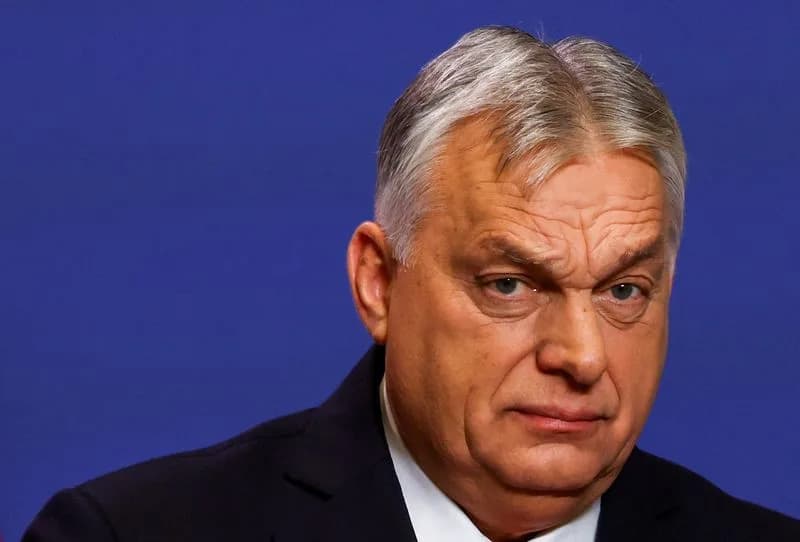
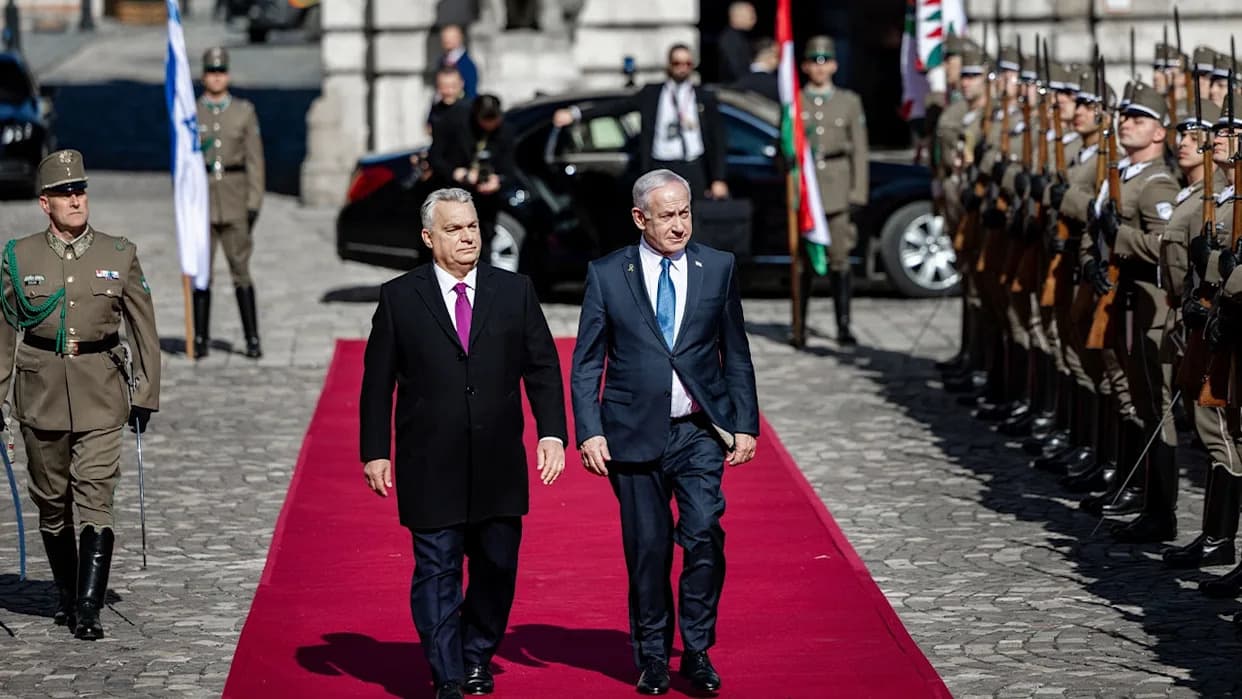
Hungary's Prime Minister Viktor Orbán told Vladimir Putin he will continue buying Russian oil, directly contradicting EU efforts to cut reliance on Moscow's energy. Orbán, in power since 2010, met Putin for the fourth time since the war began and said Russian supplies "form the basis" of Hungary's energy mix. He has threatened legal action against the EU over gas phase-out plans and has sought a reported U.S. waiver to keep imports, while positioning himself as a potential mediator in the conflict.
Orbán Defies EU, Tells Putin Hungary Will Continue Buying Russian Oil

Hungary's Prime Minister Viktor Orbán openly told President Vladimir Putin that Budapest will continue purchasing Russian oil, a stance that puts him at odds with the European Union as leaders seek to reduce dependence on Moscow's energy supplies. The meeting in the Kremlin was Orbán's fourth with Putin since the outbreak of the war in Ukraine and came amid renewed diplomatic efforts to find a pathway to ceasefire talks.
Orbán emphasized the practical importance of Russian deliveries for Hungary, saying, "We have not given up cooperation (with Russia) in any area, regardless of any external pressure," and adding that "energy supplies from Russia form the basis of Hungary's energy supply now and will remain so in the future." Budapest is heavily dependent on Russian gas and oil and, Orbán says, benefits from lower domestic energy prices as a result.
Earlier this month Orbán threatened legal action against the EU over a decision to phase out the bloc's remaining Russian gas imports. He also travelled recently to Washington and sought a reported one-year U.S. exemption from sanctions to continue buying Russian energy, though the U.S. government has not yet published any official waiver.
Russian President Vladimir Putin praised Hungary's "balanced position" and described bilateral ties as pragmatic. For his part, Orbán framed his visit as protecting Hungary's energy security for the coming winter and year and repeated that he is willing to host or help mediate peace negotiations.
"I would like to reiterate that energy supplies from Russia form the basis of Hungary's energy supply now and will remain so in the future," Orbán said.
Orbán faces criticism across Europe for acting without a unified EU mandate. Germany's CDU leader Friedrich Merz said Orbán travelled "without a European mandate and without any coordination with us," adding that the Hungarian leader has "his own ideas about ending this war, which so far have not materialised." Many EU officials worry that bilateral deals or unilateral positions could undermine a coordinated European approach to both energy dependence and any future peace settlement.
The Kremlin, meanwhile, continues to press maximalist demands that would require Ukraine to cede territory beyond areas currently under Russian control. Against that backdrop, a U.S. envoy, Steve Witkoff, is due in Moscow next week to discuss an updated U.S. plan aimed at ending the war — a plan Washington says has been adjusted after consultations with Kyiv.
The encounter underscores the diplomatic tightrope European leaders face: balancing national energy needs, legal and political disputes within the EU, and the urgent international pressure to shape any negotiations that might determine Ukraine's future.
Help us improve.