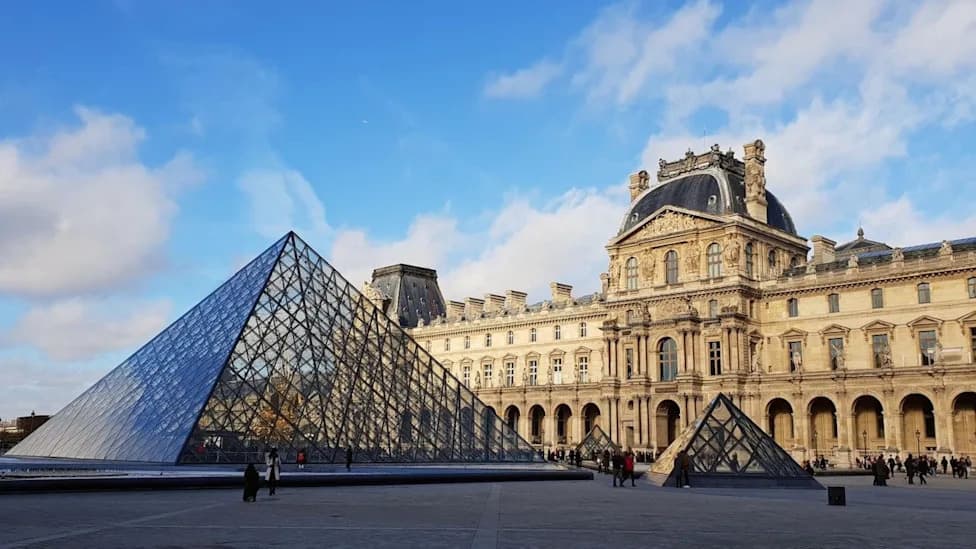
The Louvre will raise admission for non‑EEA visitors from €22 to €32 starting Jan. 14 to help fund the "Louvre—New Renaissance" security and infrastructure overhaul. The decision follows an October heist in which about $100 million in jewels were stolen; authorities say the thieves used a cherry picker and disabled cameras using the password "LOUVRE." Eight suspects have been arrested, but the items remain unrecovered. The price increase has prompted criticism from some visitors while officials say it is needed to upgrade security and reduce overcrowding.
Louvre Hikes Non‑EEA Ticket Price to €32 to Fund Security Overhaul After $100M Heist

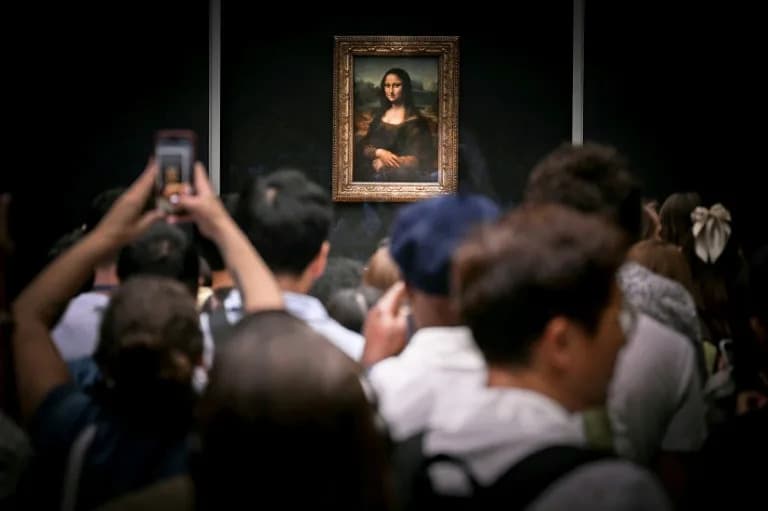
The Louvre will raise its admission fee for visitors from outside the European Economic Area from €22 to €32 (approximately $25 to $37) beginning Jan. 14. Museum officials say the additional revenue will support the "Louvre—New Renaissance" program, a broad renovation designed to strengthen security, modernize infrastructure and relieve chronic overcrowding — including relocating the Mona Lisa to a new exhibition space.
What happened
The decision follows a dramatic October heist in which roughly $100 million worth of jewels were stolen from the museum's Apollo Gallery. Investigators say the thieves used a cherry picker to reach a top‑floor window on Oct. 19 and disabled surveillance cameras after entering the system password reportedly set as "LOUVRE." Eight suspects have been arrested so far, with the most recent arrest on Nov. 25, but the stolen items remain missing.
Why prices are rising
Museum leaders argue the price increase for non‑EEA visitors will help fund immediate security upgrades and longer‑term infrastructure work tied to the "New Renaissance" plan. Among the priorities are improved surveillance systems, reinforced displays and a redesigned visitor flow to reduce overcrowding around major works such as the Mona Lisa.
Reaction and context
The move has drawn frustration from some visitors and observers, who see the increase as punitive to international tourists. Critics also point out that a major museum charging higher fees after a security lapse raises questions about prior spending priorities. Supporters counter that visible, expensive security failures made substantial investment unavoidable.
Bottom line: The fee hike targets non‑EEA visitors and is presented as a necessary step to finance security and renovations after a high‑value theft exposed vulnerabilities. The Louvre faces the twin challenges of recovering stolen objects and convincing the public that new measures will prevent a repeat incident.
Help us improve.