Most Americans eat over 40 million turkeys at Thanksgiving, yet many find the meat bland and the birds suffer in industrial systems. The Broad Breasted White — roughly 99% of store turkeys — is bred to grow twice as fast and nearly twice as large as in the 1960s, creating welfare problems and necessitating artificial insemination. An estimated 8 million turkeys are wasted each holiday (ReFED, 2024). The article argues that shared meals are the best place to introduce plant-based centerpieces that better reflect Thanksgiving’s values.
Why About 8 Million Thanksgiving Turkeys Are Wasted — and Why You Might Skip the Bird This Year

Tens of millions of Americans will mark Thanksgiving by eating more than 40 million turkeys. Yet for many, the centerpiece of the holiday is bland and disappointing — and the birds themselves are products of an industrial system that creates severe animal-welfare and environmental problems. This piece explains why turkey persists as a holiday symbol, what life is like for the modern Thanksgiving turkey, and how choosing plant-based alternatives can better reflect the holiday’s values.
Why the turkey remains central
Food carries meaning: ritual, belonging, and continuity. For many families, the turkey is less about flavor than about preserving a shared story and avoiding social friction. People trying to cut back on meat often eat plant-based at home but accept meat when visiting others to avoid awkward conversations.
But social context shapes taste. If shared meals influence what we eat, they also offer the best opportunity to change customs by introducing plant-forward mains and new rituals that reflect growing concerns about animal welfare and sustainability. As one observer noted, communal meals are where we can "share plant-based recipes, spark discussion, and revamp traditions to make them more sustainable and compassionate."
How modern turkeys are raised
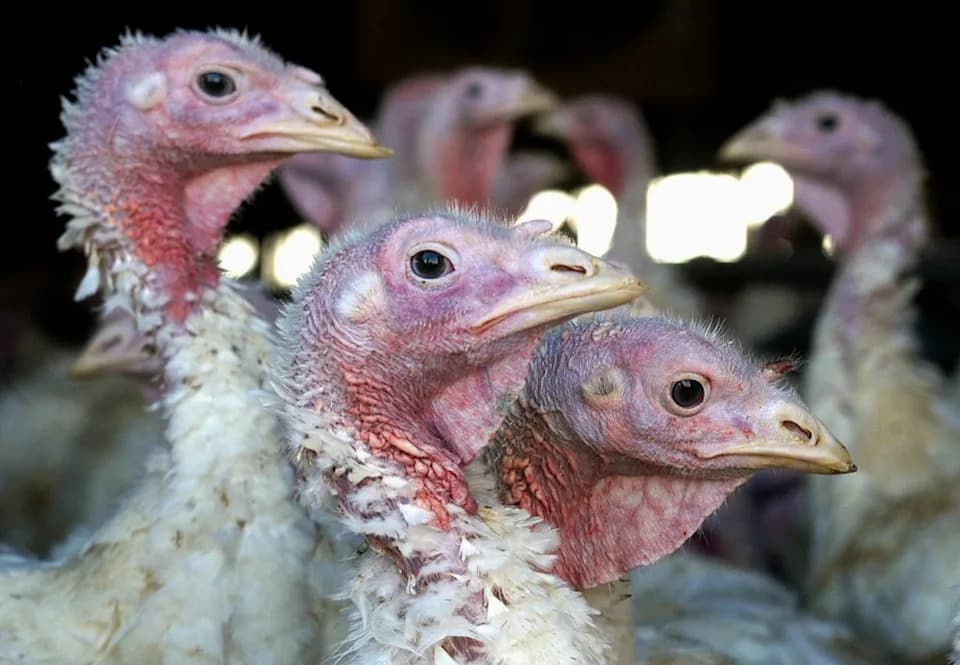
The vast majority of grocery-store turkeys are Broad Breasted White birds — roughly 99 out of every 100. These birds have been bred for enormous breasts and rapid growth: they now grow about twice as fast and reach nearly twice the size of turkeys from the 1960s. That selective breeding produces serious health problems: birds are top-heavy, have trouble walking, and suffer other growth-related ailments.
The birds’ size also means natural mating is often impossible, so artificial insemination is routine in large operations. One account from investigative reporting described workers extracting semen from males and inserting it into hens at a fast, repetitive pace — a stark illustration of how mechanized breeding has become.
Life and death on factory farms
In nature, turkeys live in small groups and form social bonds. By contrast, birds raised for market typically never see their mothers, do not forage, and are crowded with thousands of unfamiliar birds in industrial sheds. Philosopher Peter Singer has described how these conditions can be deeply traumatizing.
Factory-farmed turkeys routinely experience painful procedures such as beak trimming and toe or snood mutilations. Transport and slaughter are also often violent: birds are grabbed, shackled upside down, and sent down fast-moving lines. While some are properly stunned and then killed humanely, others miss the stunner and may be cut while still conscious.
Waste and disease
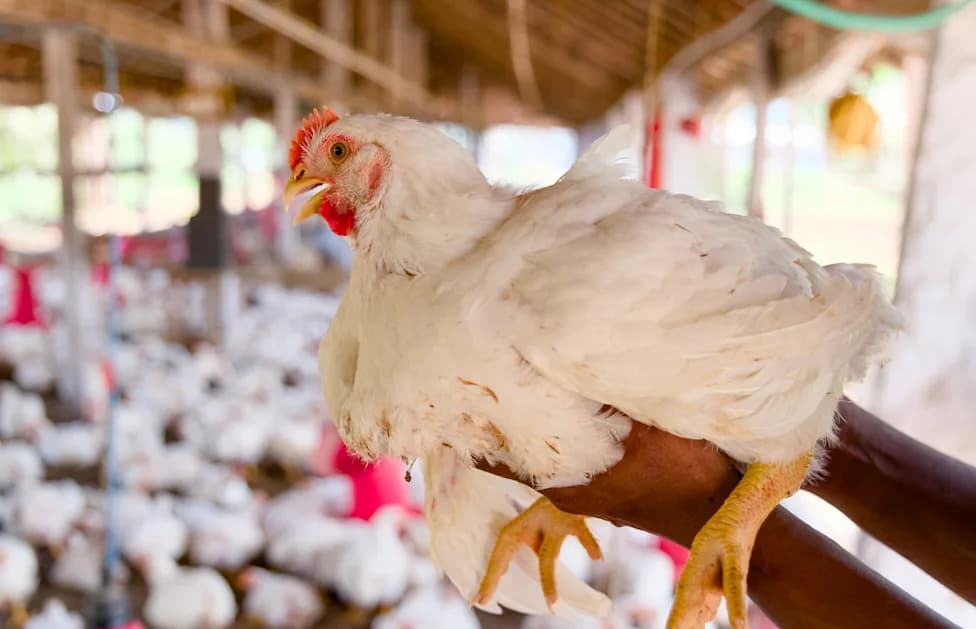
Food waste is another part of the story. A 2024 estimate from ReFED found that Americans discard the equivalent of more than 8 million turkeys around Thanksgiving. At the same time, ongoing avian influenza outbreaks have led to mass culls: in recent seasons, tens of millions of chickens and turkeys on infected farms were culled to control spread, compounding ethical and supply-chain concerns.
What you can serve instead
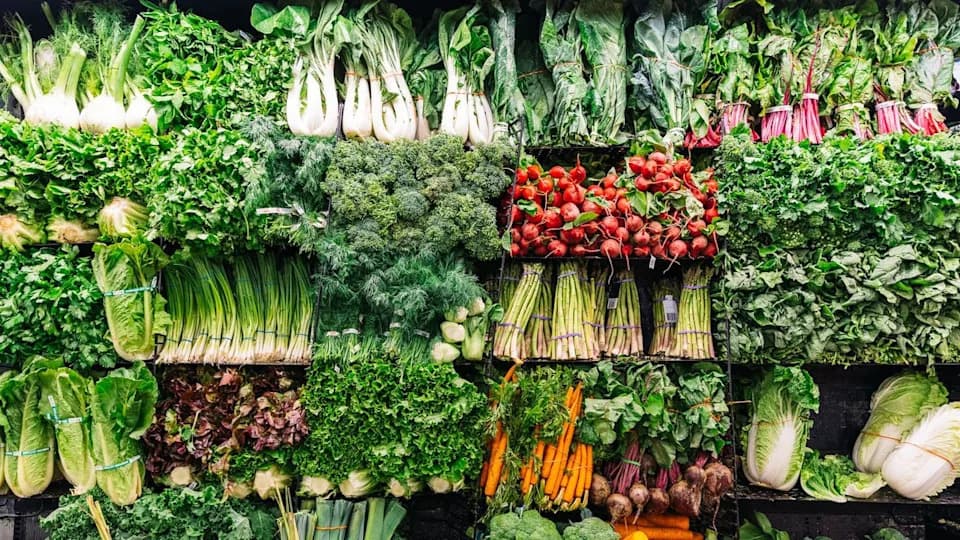
For many, the hardest part of skipping turkey is not culinary but social — raising uncomfortable ethical questions at the holiday table. Yet the culinary alternatives are abundant and can be even more interesting than a dry roast. Plant-based mains and reimagined sides can become new centerpieces. Examples include:
- Mushroom Wellington
- Creamy lentil-stuffed squash
- Cashew-lentil bake
- Roasted Brussels sprouts with bright autumn vinaigrette
- Roasted red cabbage with walnuts and dairy-free feta
- Hearty mushroom and bean chowder
- Homemade challah rolls and a pumpkin-miso tart
- Rasmalai or other seasonal desserts to reflect family traditions
Vegan turkey roasts and loaves have improved in recent years; some people enjoy ready-made options like breaded roasts or nut-and-fruit loaves, while others prefer to make their own centerpiece.
Why change matters
Thanksgiving is fundamentally about gratitude and imagining a better future. If a tradition—symbolized by a dry, industrially produced bird—no longer aligns with those values, adapting the ritual can deepen meaning rather than diminish it. Conversations about ethics and production are difficult, but they are the moments when culture evolves.
Skipping the turkey this year is both a practical and symbolic choice: it reduces waste, avoids supporting harmful production practices, and opens space for new traditions that better reflect compassion and stewardship.
Update, November 27, 2025: This story was originally published in 2024 and has been updated for 2025.
Help us improve.