Summary: Former inmates describe prison as a mix of danger, routine and unexpected opportunities. Reports highlight widespread drug use, persistent gang presence and racial segregation alongside free vocational programs and dog-training initiatives. Staff behavior ranged from indifferent to punitive, and new digital mail systems that charge inmates to view scanned photos and letters were criticized as exploitative. Some people used their time productively, while others warned that small interactions with staff can cost privileges.
Inside Prison Life: Former Inmates Reveal Surprising Truths — From Programs to Profits

Content warning: Discussions of sexual assault.
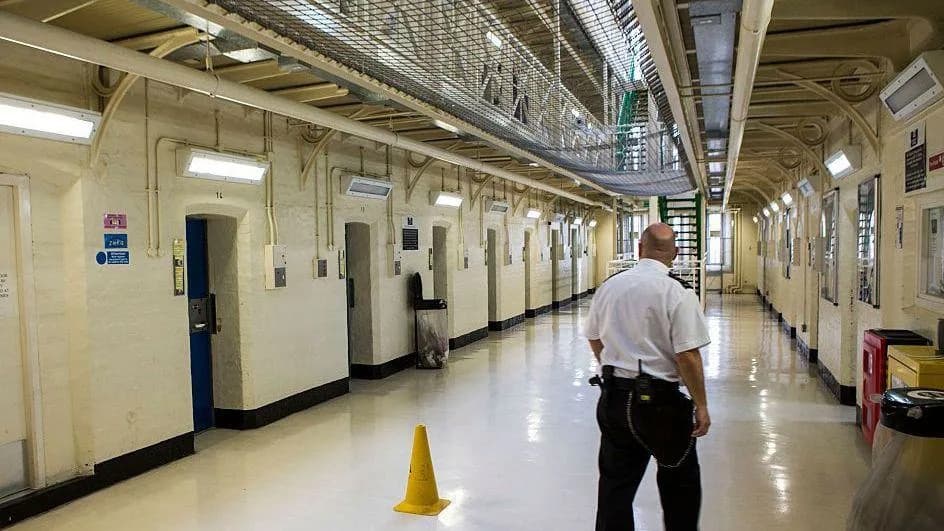
Former inmates describe everyday life behind bars in ways that may surprise those outside the system. Their accounts reveal a complex mix of danger, routine and unexpected opportunities: pervasive drug use and gang activity, racial segregation, uneven staff behavior, valuable vocational programs, and new technology that can monetize contact with loved ones.
Daily realities and survival
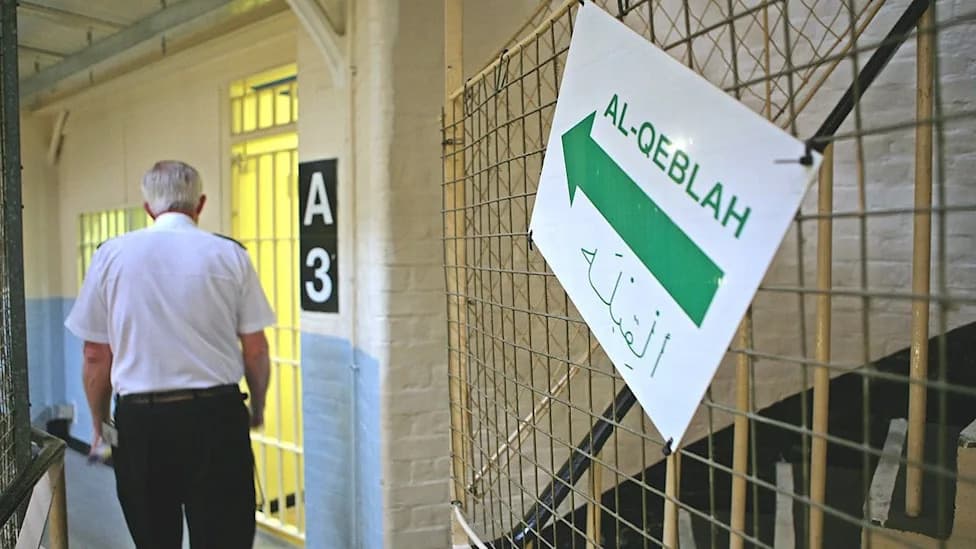
Many respondents said drugs were widely available and that gang culture shaped daily life. Survival often meant choosing a role and sticking to it: keep to yourself, avoid drugs and gambling, and stand up for yourself when necessary. Racial separation was a recurring theme — people spoke across racial lines but rarely socialized together.
“Drugs were EVERYWHERE. It seemed like if you wanted to party the whole time, you could. If you wanted to do groups, school, and try to better yourself, you'd be on a waitlist.” —Anonymous
“You mind your own business, stay away from drugs, gambling, and stand up for yourself, whether or not you win the fight, and you'll be alright. In my experience, it was very racially segregated... You get in where you fit in to survive!” —Anonymous
Staff, healthcare and food
Descriptions of staff behavior varied widely. Some corrections officers mostly left inmates alone; others were remembered for making life deliberately difficult. Food portions were often described as meager and low quality except for holiday meals like Thanksgiving and Christmas. Medical staff were frequently characterized as cold and unsympathetic, though some doctors and dentists were singled out for decent care.
“Most of the staff left you alone, but there were a few corrections officers who spent every minute making everyone miserable... The nursing staff was cold and uncaring. The doctor and the dentist were the only decent people in that department. My last 31 days were spent in their so-called quarantine. It was miserable, but I made it. Have been home for four years now.” —Anonymous
Programs, education and unexpected opportunities
Several respondents highlighted free vocational programs available in some facilities — culinary arts, hairdressing, nail care — and even dog-training programs. Many said these courses offered meaningful skills that could aid reintegration. Some inmates described using their time productively by reading dozens of books, lifting weights, cooking and participating in structured activities.
“Programs that regular people in the community could never afford... were offered fully paid for by the government and corrections in the hopes of a successful reintegration... The federal prison also had a dog program... Inmates would always say if the public ever found out what the women's federal penitentiary was all about, there would be a public outcry.” —Anonymous
“I read 83 books, lifted weights, made after-dinner meals, and played lots of cards. I call it my 'summer camp' experience. I look back on it with not an ounce of regret.” —Anonymous
Technology, mail and monetization
Several former inmates criticized a shift from physical mail to scanned messages delivered on facility-issued tablets. While digitization can speed delivery, it removes the tactile comfort of physical letters and photographs. Former inmates say many systems charge to view scanned items repeatedly, creating a recurring expense that feels exploitative.
“One particularly cruel update is a new program that... scans incoming mail and sends it to the tablets... every time you view a scanned family photo or open a scanned letter to read again, it charges you... It feels like we are constantly loading money into one program or another.” —lawyerlady1
Small actions, big consequences
Even trivial interactions with staff can have large consequences. One person said that asking a guard for a harmless favor led to being fired from a coveted job assignment and blacklisted from other positions. Such stories underscore how fragile status, privileges and opportunities can be inside many facilities.
“Of course, I didn't touch them, but I asked, 'Hey, can I have one of those?'... By the time I got back to my housing unit... I had been fired and blacklisted from any good job on camp.” —Anonymous
Conclusion
These firsthand accounts offer a nuanced picture: prisons can provide valuable education and structure, yet they are also environments shaped by scarcity, informal rules, racial division and practices that can feel profit-driven. Experiences vary by facility and individual, but common themes — survival strategies, segregation, and monetized family contact — repeatedly emerge.
Help us improve.