Summary: Former and current prison staff share candid accounts of the pressures and dangers of working behind bars. They report persistent gang dynamics, rising contraband (including fentanyl), sexual harassment risks for female officers and the emotional cost of suppressing personal identity. Several say strong leadership and consistent staff culture can transform violent units, but they also call for better reentry services and stronger support for employees.
Prison Staff Speak Out: What Life Behind Bars Really Looks Like

South_agency / Getty Images
Content warning: This article contains accounts of abuse and sexual assault.
©Netflix / Courtesy Everett Collection
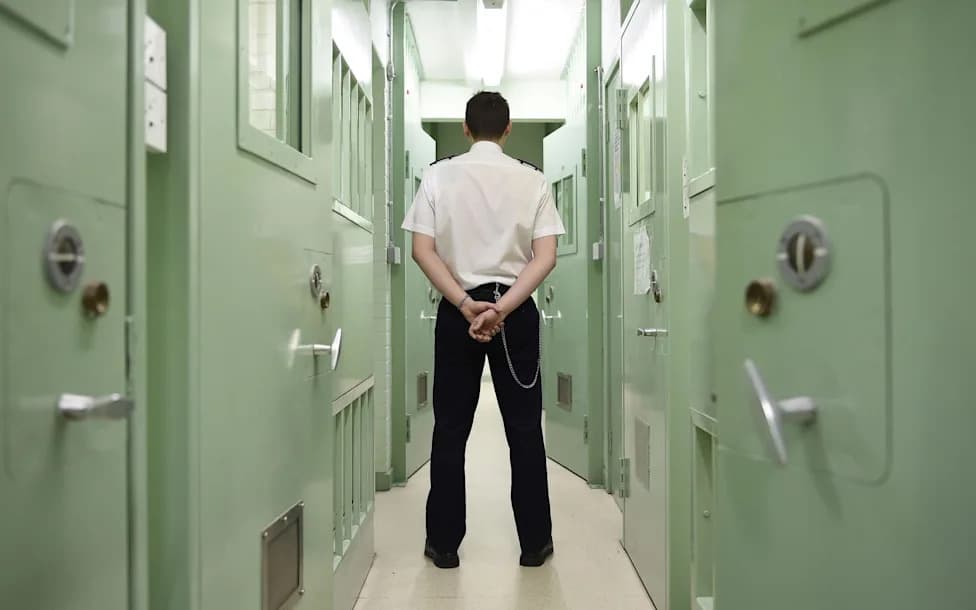
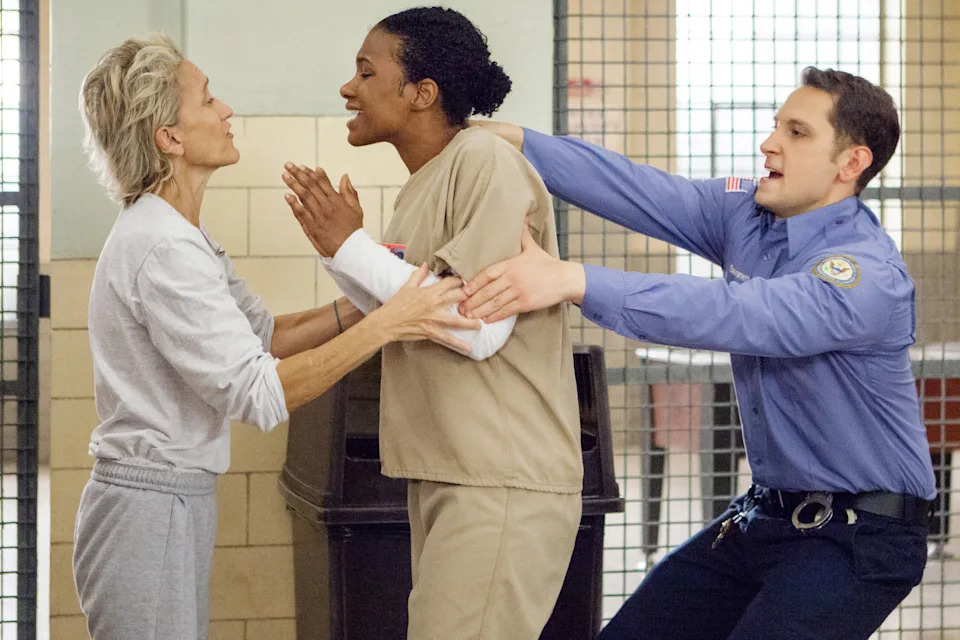
Former and current correctional staff describe a gritty, high-stress workplace where leadership, routine and culture determine whether a unit is safe or violent. Their accounts cover everything from gang dynamics and rising fentanyl smuggling to the emotional toll of hiding personal identity and relying on dark humor to cope.
Motortion / Getty Images/iStockphoto
Leadership Can Change A Unit
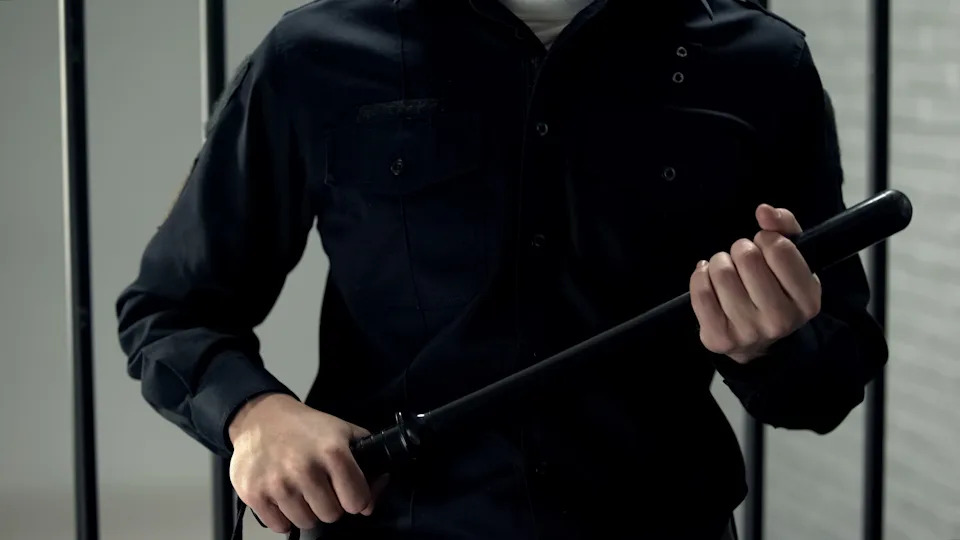
Several contributors emphasized that strong leadership and committed staff can transform even the worst living units. One former sergeant says they inherited the state’s most violent unit, where fights and assaults — including attacks on staff — occurred daily. After two years of assembling the right team and enforcing standards, the unit recorded five consecutive years without an incident.
JoJo Whilden / Netflix / ©Netflix/Courtesy Everett Collection / Everett Collection
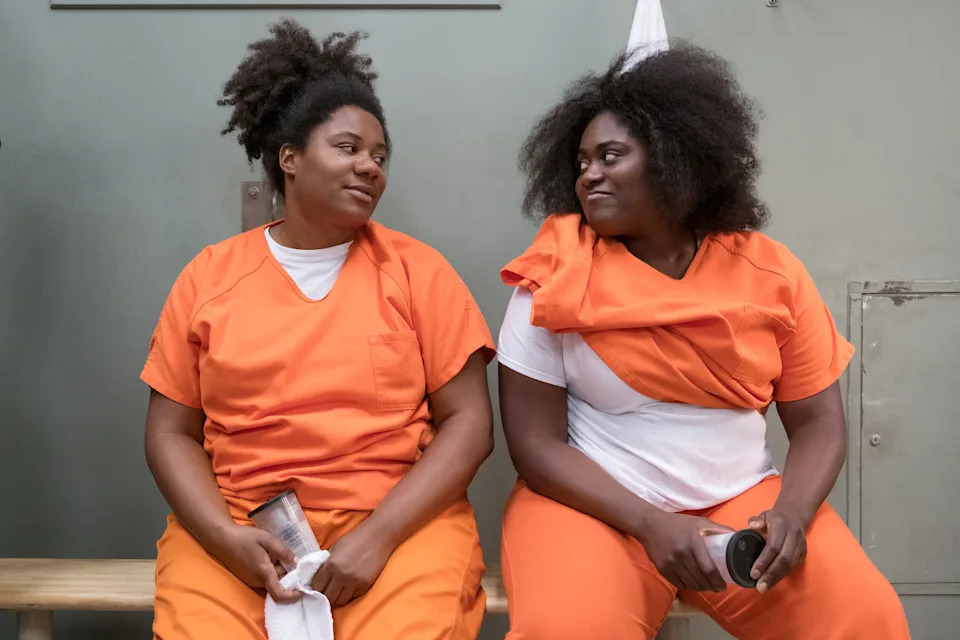
“When I was promoted to sergeant, I was assigned to the worst living unit in the state... After two years with the right staff, we were able to change the culture of the unit.” — Anonymous
Daily Realities: Gangs, Contraband And Violence
Multiple voices report persistent gang dynamics inside facilities. Gangs may not wear colors but are often identifiable by distinctive tattoos. Staff described regular minor scuffles — slap fights and wrestling — while serious injuries are less common but do occur. Contributors also warned that contraband, especially fentanyl, has become a growing problem and fuels violence and instability.
WIN-Initiative/Neleman / Getty Images
“I’ve seen inmates get beaten because they did something that brought attention to their gang... If the money was right, I may consider doing it again, but I certainly would not want to be on the other side of the cell door.” — Anonymous
Risks For Female Staff And Boundary Violations
Several accounts highlighted risks unique to female officers, including sexual harassment and manipulation by inmates. Some posts allege inappropriate sexual relationships between staff and inmates, underscoring persistent boundary and safety concerns.
DragonImages / Getty Images
“The sexual harassment as a female officer sucks... Inmates were getting worse with the crap getting smuggled in. There were bad fights among gangs.” — Anonymous
Rules, Routine And The Emotional Cost
Correctional work requires strict limits on personal disclosure — employees are often barred from sharing opinions or personal experiences with inmates. Many staff described feeling emotionally numbed, relying on gallows humor and compartmentalization as coping mechanisms. High turnover is common; many new employees leave after only a few years.

Mindful Media / Getty Images
“You’re not allowed to disclose a single personal thing about yourself... I feel like I’m a robot. It’s definitely not for me personally.” — Character-Spot8893
Juvenile And Mental-Health Work: Different Challenges
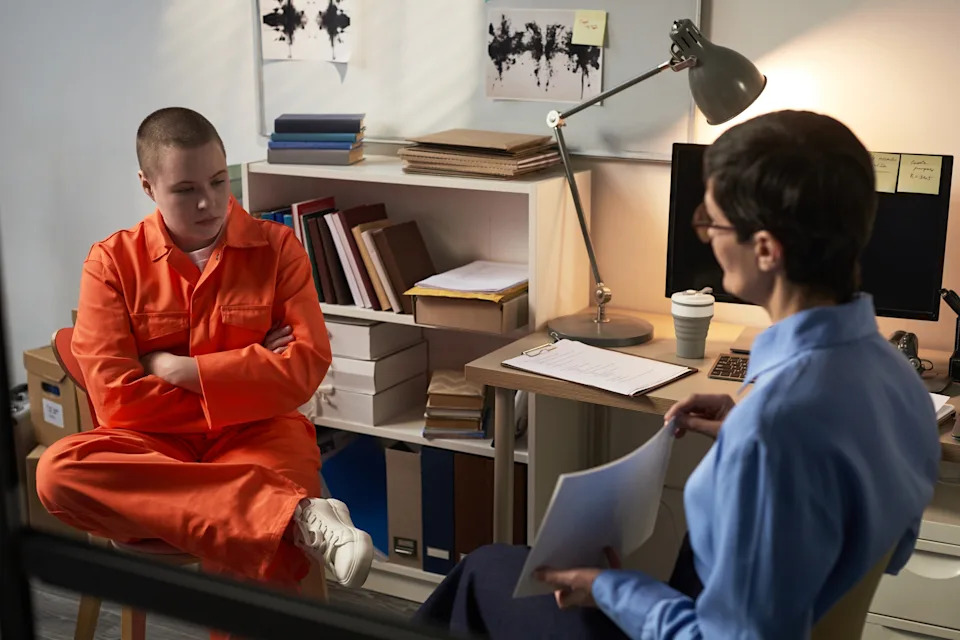
People who worked with youth or in mental-health roles described distinct challenges: juvenile work can be deeply rewarding but traumatic, with many young people carrying heavy histories of abuse and repeating offenses. Jail mental-health work often focuses on immediate stabilization and medication management, while prison settings can offer longer-term structure for treatment.
P_Wei / Getty Images
“It often felt like two steps forward and one back... About four out of five times, though, they end up reoffending.” — Wikeni
Practical Details And Supports
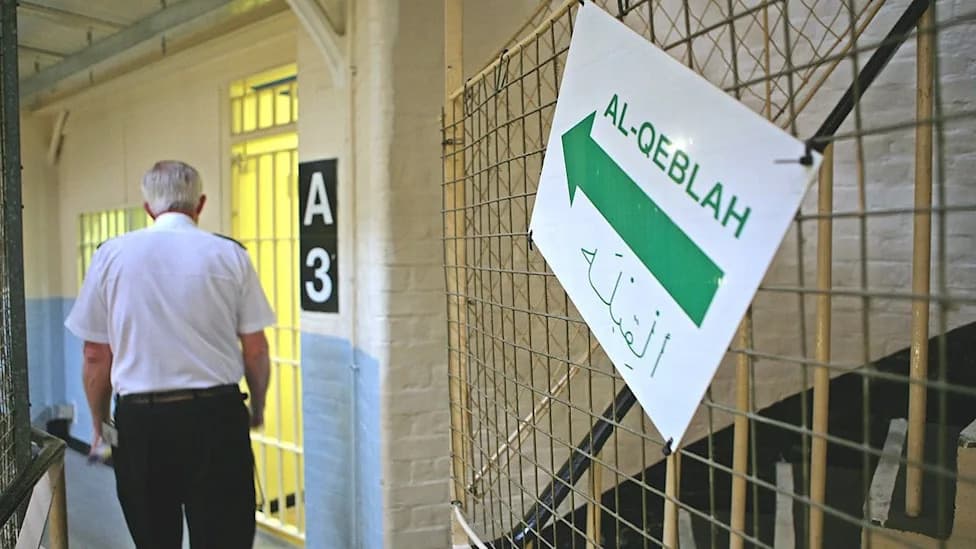
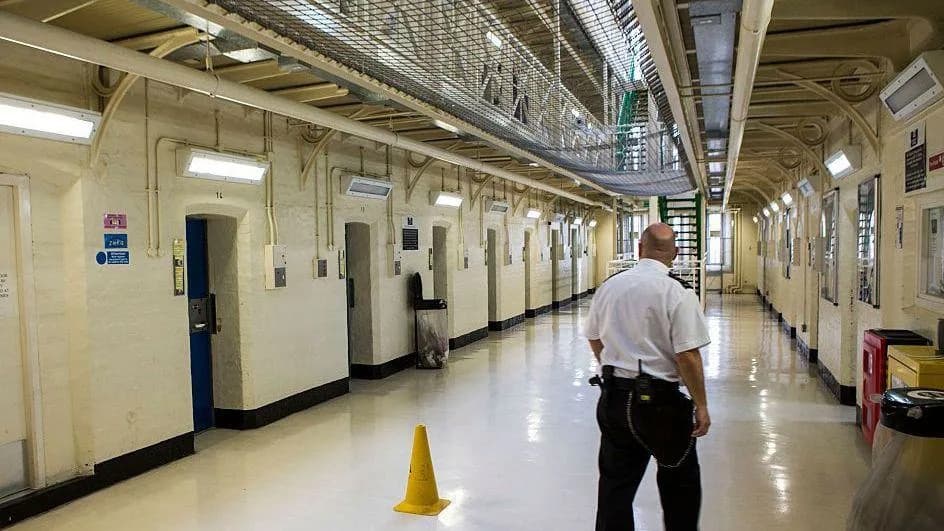
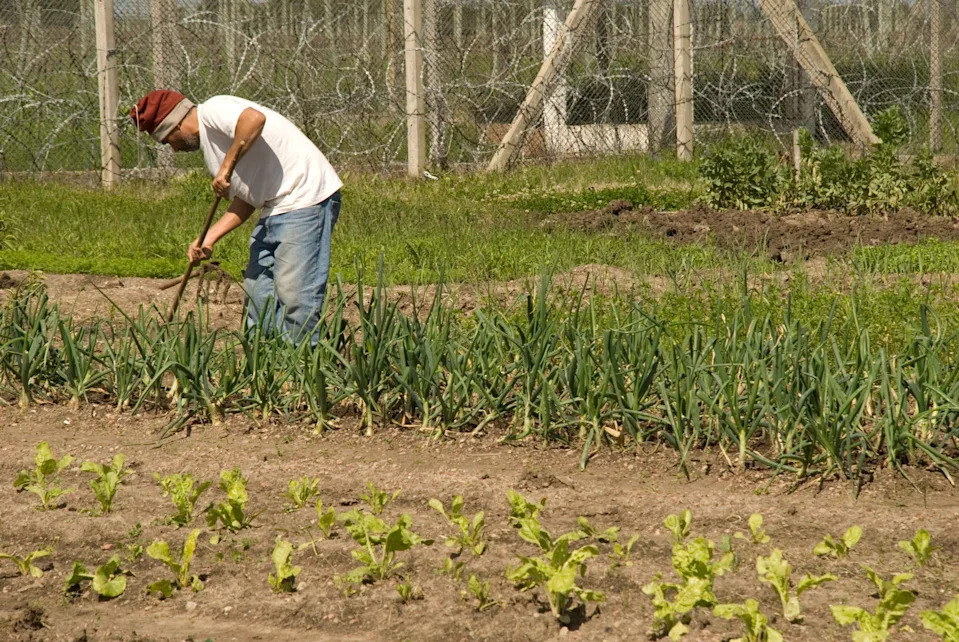
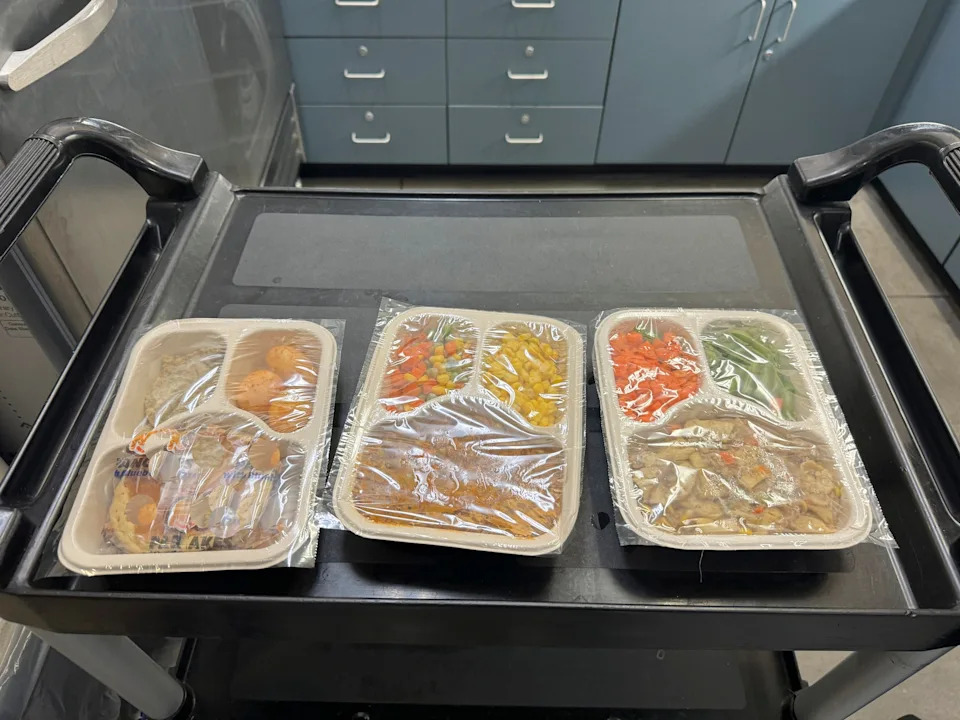
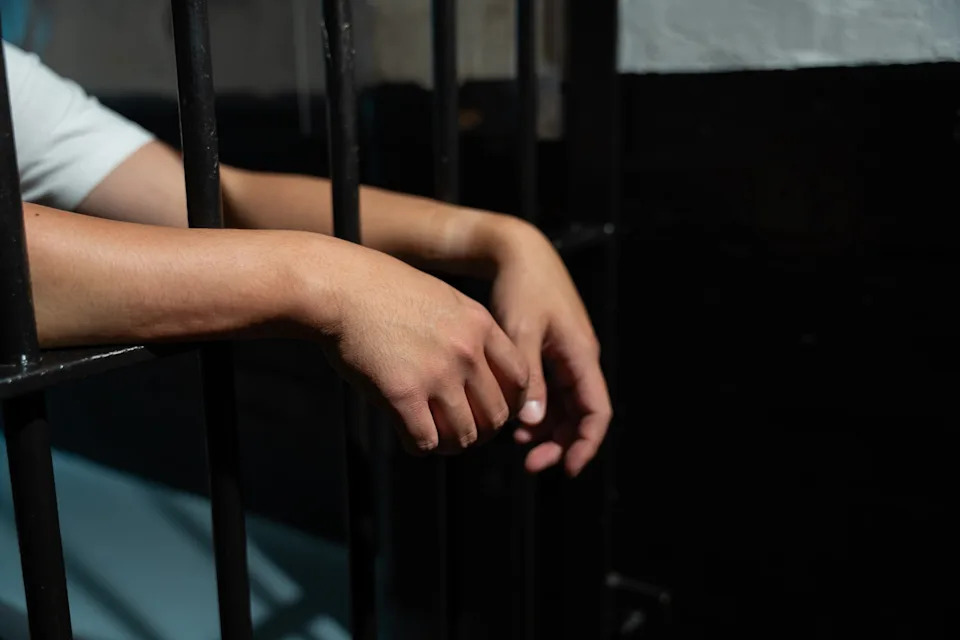
Prisons typically restrict movement, require badge checks, metal detectors, bag inspections and escorts, and maintain sterile environments of metal and cinderblock. Some facilities offer jobs, spiritual care visits, phone access through approved lists and rehabilitation programs — but services and reentry supports vary widely. Several contributors urged better reentry programs, noting many people released without transitional support quickly return to custody.
Twenty47studio / Getty Images
Takeaways
- Strong leadership and a consistent staff culture can significantly reduce violence.
- Contraband (including fentanyl), gang activity and sexual harassment remain serious problems.
- Correctional work is emotionally demanding; many staff hide personal identity and rely on coping mechanisms.
- Juvenile, jail, and prison settings present different clinical and operational challenges.
- Better reentry services and staff support are critical to reducing recidivism and improving safety.
Across these accounts, contributors agree: corrections can be meaningful when leadership, routine and treatment align, but without better support and reentry planning the system often reproduces harm.
Help us improve.