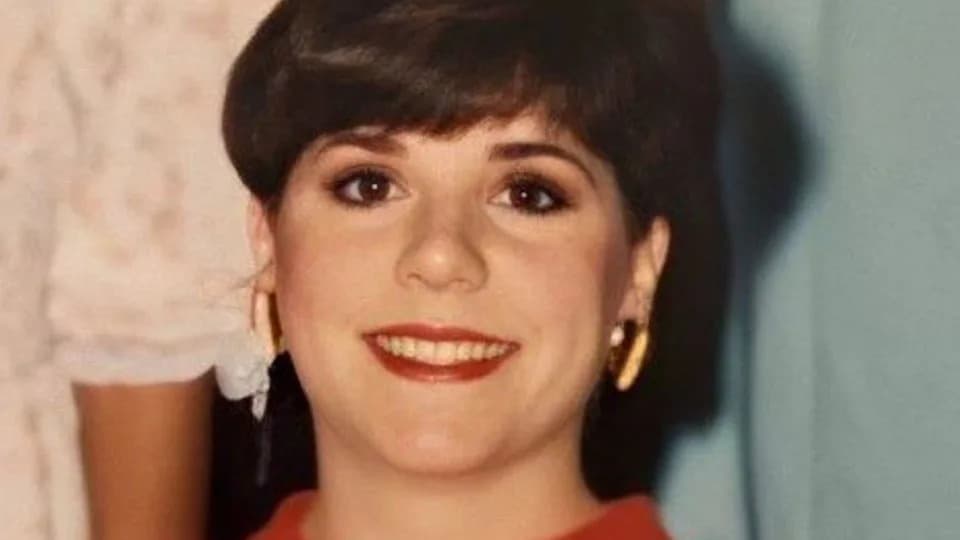
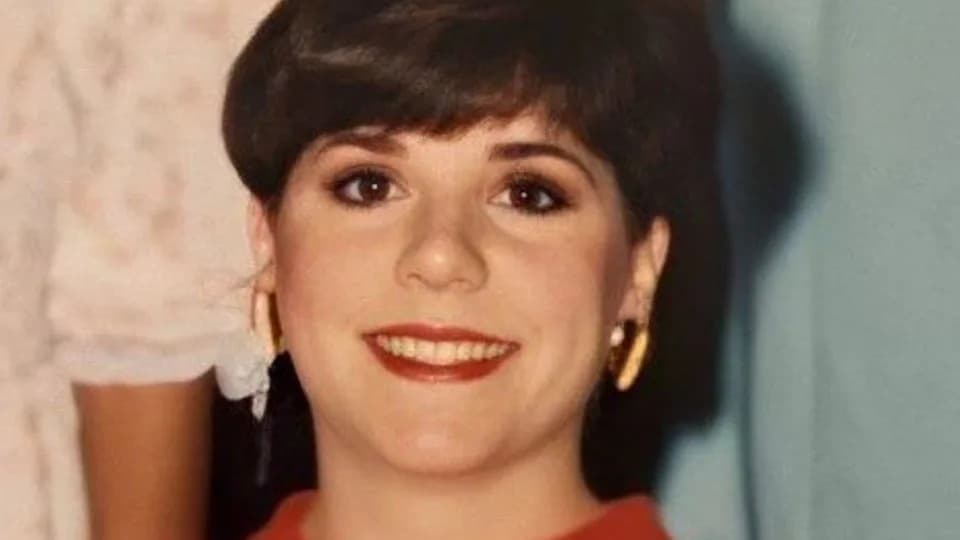
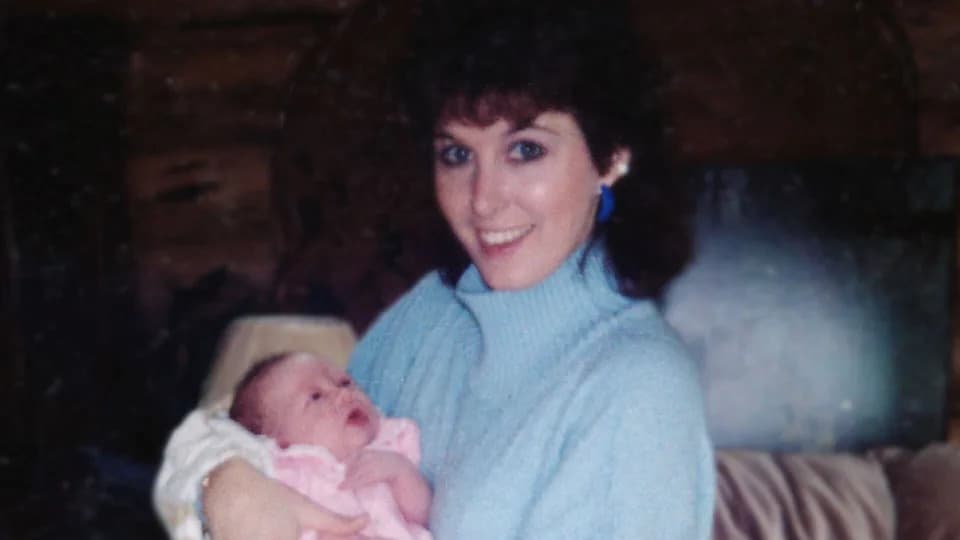
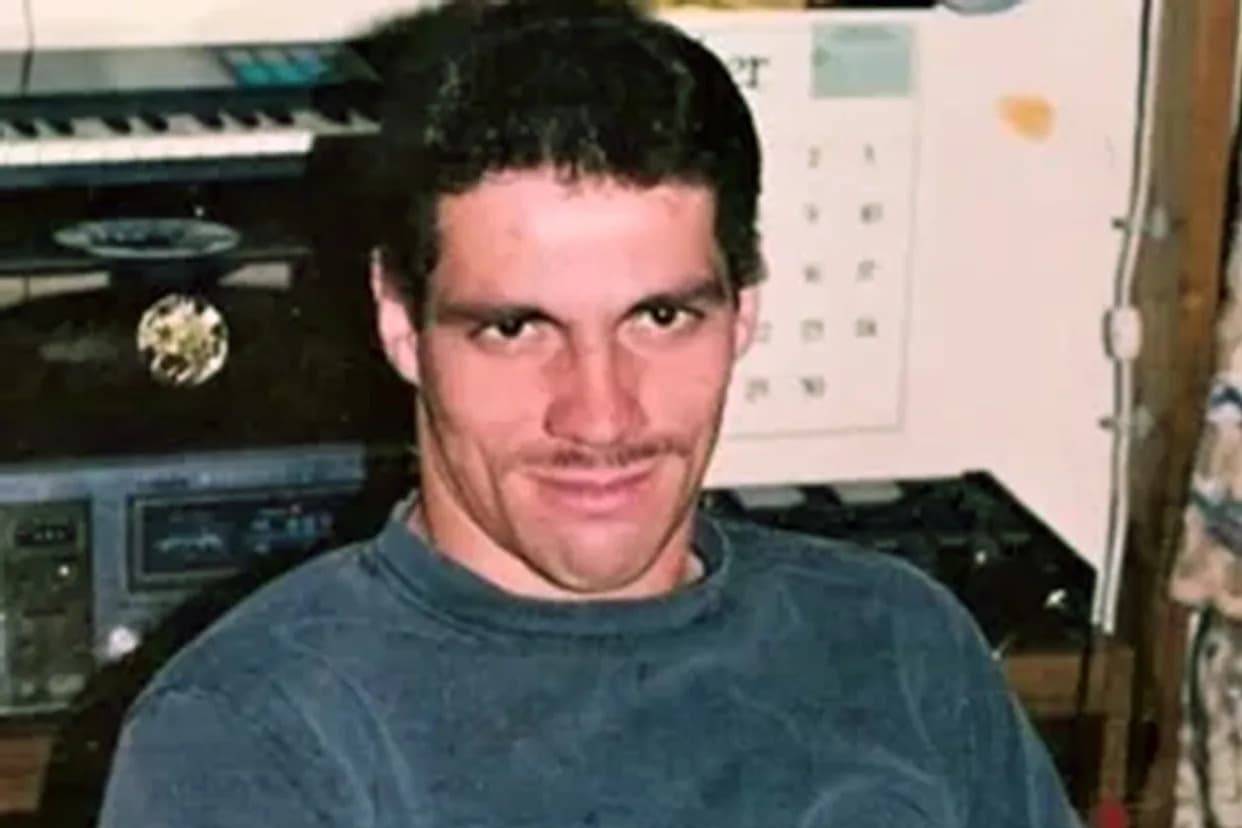
Davie police say genetic genealogy and DNA from hairs and a bloody towel have linked deceased ex‑convict Donald Lawless to the 1987 asphyxiation and postmortem mutilation of 28‑year‑old Marilyn Decker, whose body was found in a canal. Lawless died in 1995 and was cremated; investigators obtained a relative’s DNA that matched the crime‑scene evidence. Detective Eddy Velazquez describes Lawless as "a complete monster" and believes he may be tied to other similar killings, though those connections remain under investigation.
Cold‑Case Breakthrough: DNA Links Deceased Ex‑Convict to 1987 Florida Canal Murder — Detective Says He May Have Killed Others

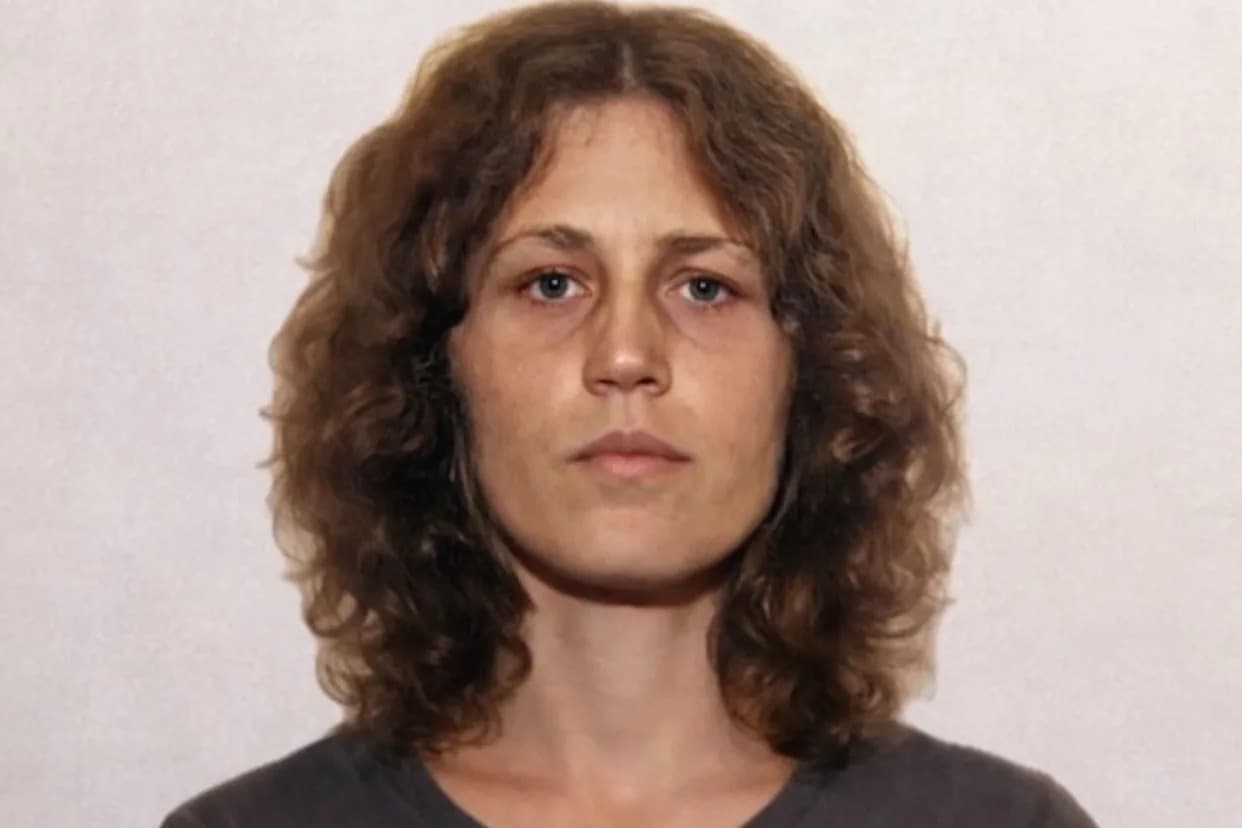
Davie, Fla. — After more than three decades, investigators say DNA and genetic genealogy have identified a deceased ex‑convict as the person responsible for the 1987 killing and postmortem mutilation of 28‑year‑old Marilyn Decker.
Decker’s body was discovered floating in a canal along Flamingo Road on Oct. 22, 1987, inside a large black industrial bag. She was found nude from the waist down. Medical examiners determined she was asphyxiated and then mutilated after death.
The case went cold for decades until Davie Police Department’s Cold Case Unit reopened the investigation in 2021. Forensic testing focused on hairs found on Decker’s shirt and a bloody towel recovered at the scene; laboratory analysis produced a male DNA profile. Investigators then used investigative genetic genealogy to trace that profile to a suspect.
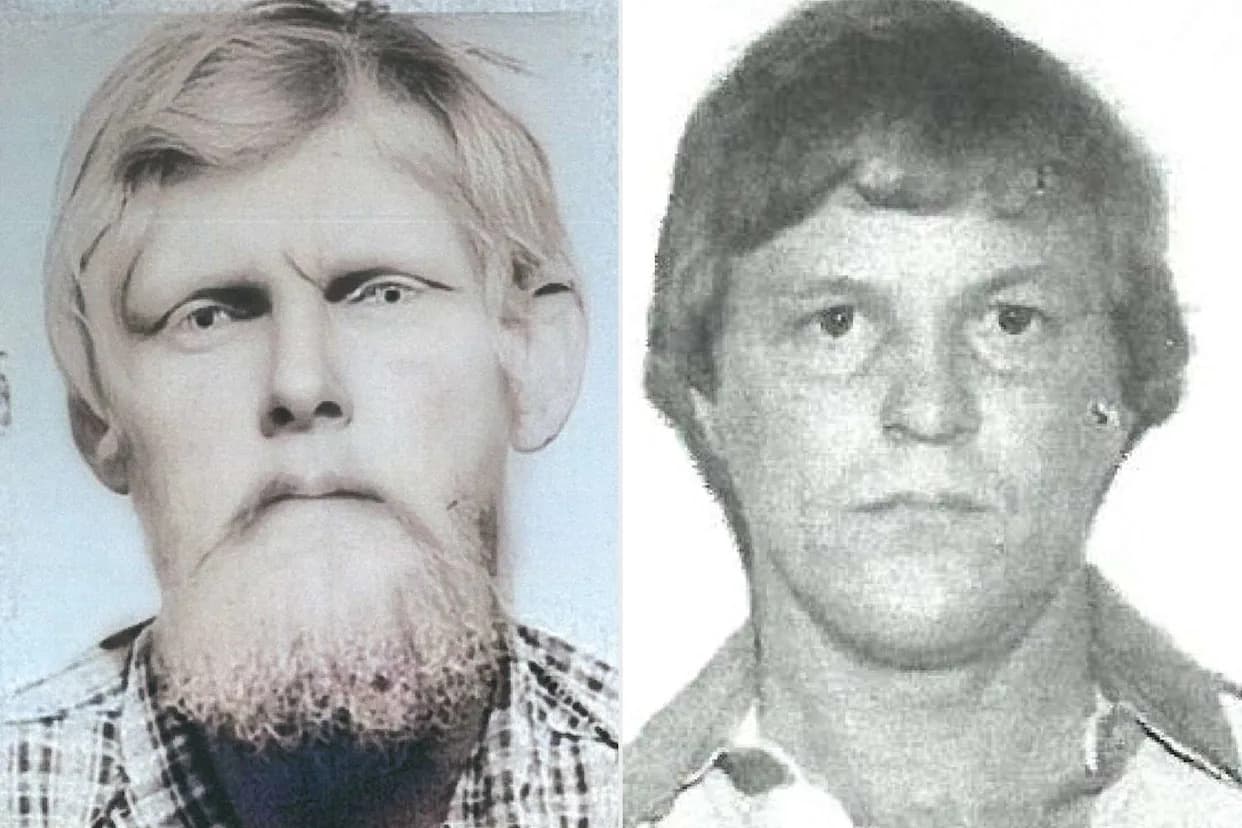
Police announced that the DNA points to Donald Lawless, an ex‑convict who died in Ohio in 1995 and was cremated. Authorities located a distant relative and obtained a comparison sample; investigators say the relative’s DNA matched the evidence from the scene. Records show Lawless lived in Florida through much of the 1980s and into the early 1990s and had a long criminal history that included burglary, theft, auto theft, robbery, fraud, battery and prostitution.
"He was just a monster. A complete monster," said Cold Case Detective Eddy Velazquez, who has worked the file. Velazquez told investigators he believes Lawless may be responsible for additional killings.
Velazquez noted geographic overlap between Decker’s known hangouts and Lawless’s residence: when Decker was killed, Lawless lived roughly half a mile from the laundromat where she spent time. Family members who saw Decker at the morgue reported she appeared recently fed and had neatly trimmed nails, details investigators say are consistent with someone who went somewhere with a person they trusted.
The Broward County State Attorney’s Office reviewed the evidence and concluded there was sufficient proof to link Lawless to Decker’s murder. Because Lawless is deceased, prosecutors cannot pursue criminal charges, but investigators are reviewing other unsolved cases for similar patterns.
Detectives say Lawless spent time in other states, including Ohio, Illinois and Pennsylvania, and they are exploring possible connections to at least two additional South Florida killings that feature comparable elements. Those links remain investigative leads rather than proven charges.
The case highlights how modern DNA tools — including genetic genealogy — can resolve long‑standing cold cases, bring answers to victims’ families, and generate new leads for related investigations.
Help us improve.