Jimmie Duncan was released on $150,000 bond after a judge vacated his 1998 murder conviction, finding the bite‑mark forensic evidence used at trial "not scientifically defensible." The child’s mother now says Haley likely died from an accidental drowning, and Duncan’s case is under review by the Louisiana Supreme Court while prosecutors seek to reinstate the conviction. The decision comes amid growing scrutiny of bite‑mark analysis, which has been linked to multiple wrongful convictions.
Louisiana Man Freed on Bail After Nearly 30 Years on Death Row as Bite‑Mark Evidence Is Disputed

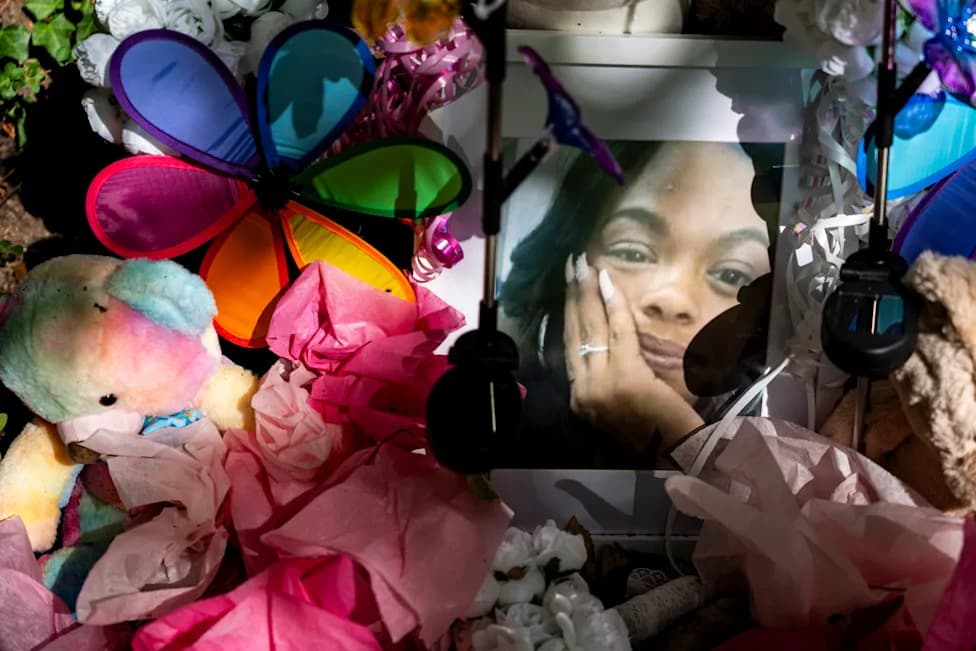
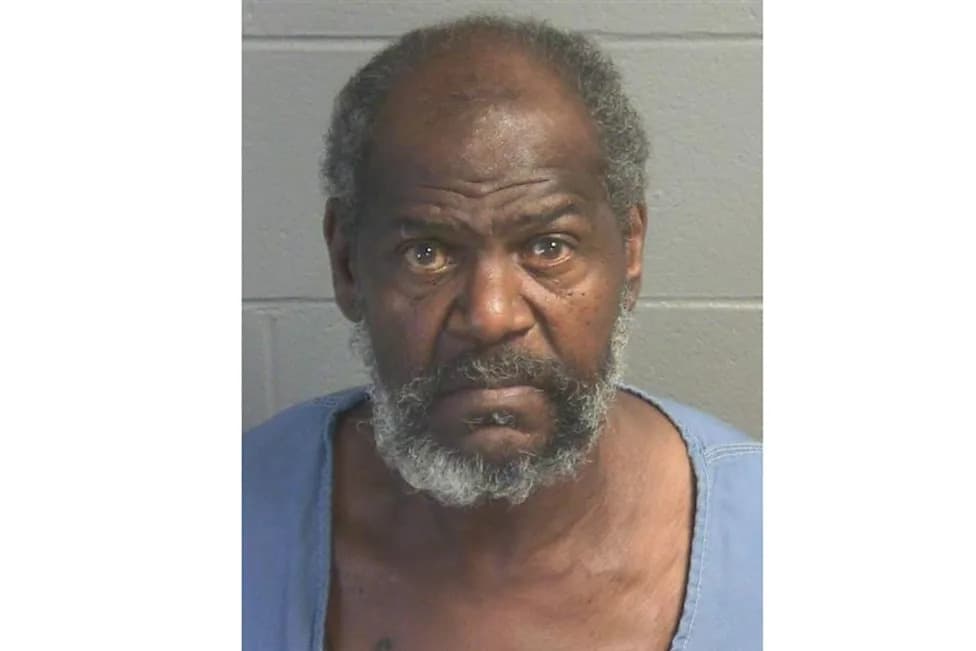
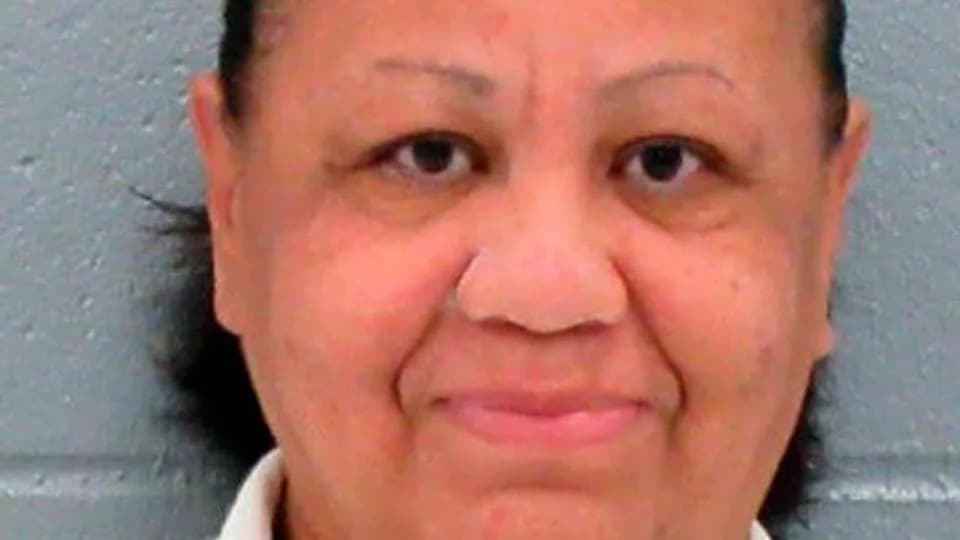
Jimmie Duncan, who spent nearly three decades on Louisiana’s death row, was released on $150,000 bond Wednesday after a judge earlier this year vacated his 1998 conviction in the death of 23‑month‑old Haley Oliveaux.
Judge rules forensic evidence "not scientifically defensible"
Fourth Judicial District Court Judge Alvin Sharp threw out Duncan’s conviction in April after hearing expert testimony that the bite‑mark evidence used at trial was "not scientifically defensible" and that Oliveaux’s death likely resulted from an accidental drowning. In a written order granting bail, Sharp said "the presumption is not great that he is guilty," citing new evidence presented at an evidentiary hearing and Duncan’s lack of prior criminal history.
Family statements and disputed forensics
At the bail hearing in Ouachita Parish, Allison Layton Statham, the child’s mother, told the court she now believes Haley’s death was accidental. Statham said Haley had a history of seizures and that "she wasn’t killed" but "died because she was sick." She added that prosecutors and certain forensic experts led her to accept a false narrative that ruined lives on both sides.
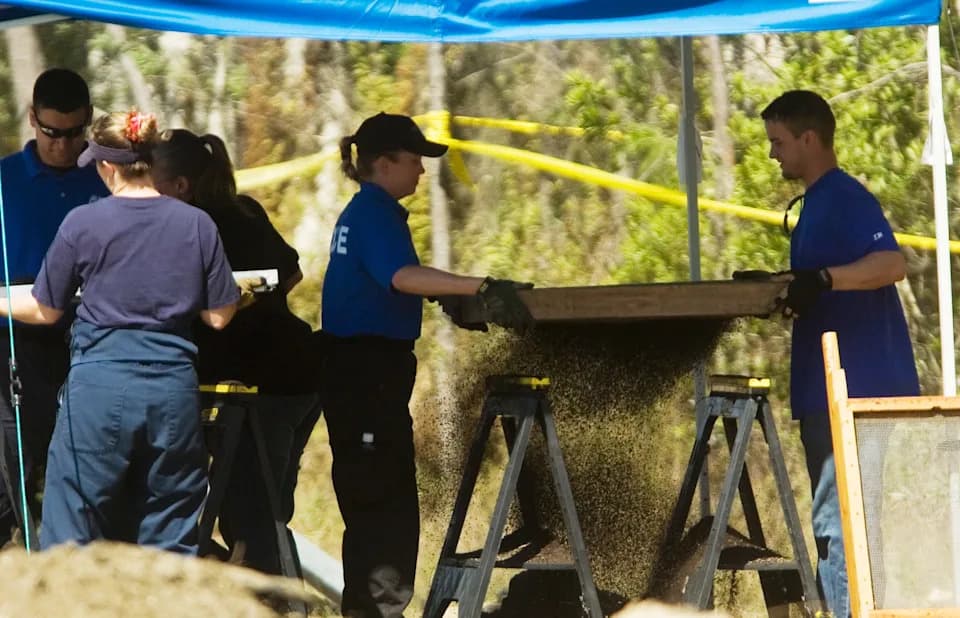
Prosecutors relied heavily on bite‑mark analysis and an autopsy by forensic dentist Michael West and pathologist Steven Hayne. Duncan’s legal team says the two experts have been linked to multiple wrongful convictions. Court filings include video of West allegedly pressing a dental mold into the child’s body to create marks later used at trial; a state expert unaware of that method testified the marks matched Duncan.
Broader concerns about bite‑mark evidence
Defense lawyers and innocence advocates argue that bite‑mark comparisons are unreliable. An earlier review found dozens of wrongful convictions or charges tied to bite‑mark evidence. Hayne is deceased; West has said DNA testing has largely superseded bite‑mark analysis but has defended his past work in other cases.
The testimony by West and Hayne previously contributed to convictions of two Mississippi men, Levon Brooks and Kennedy Brewer, who spent decades behind bars before DNA cleared them.
Legal status and next steps
Duncan’s conviction remains vacated but is under review by the Louisiana Supreme Court. Prosecutors are seeking to reinstate the conviction and the district attorney’s office has indicated it will pursue that avenue. Louisiana Attorney General Liz Murrill said Duncan should not be released while the high court reviews the case, though the court allowed a district judge to decide the bail question.
Duncan, who was housed at the state prison in Angola and described by his attorneys as a "model prisoner" who assisted others in earning GEDs, plans to live with a relative in central Louisiana while his case proceeds.
Context
Since 1973, more than 200 people sentenced to death nationally have been exonerated, including a dozen in Louisiana, according to data from the Death Penalty Information Center. Louisiana has one of the nation's higher rates of wrongful convictions, and the state resumed executions earlier this year after a 15‑year pause.
Quote from the court order: "The presumption is not great that he is guilty."
Help us improve.