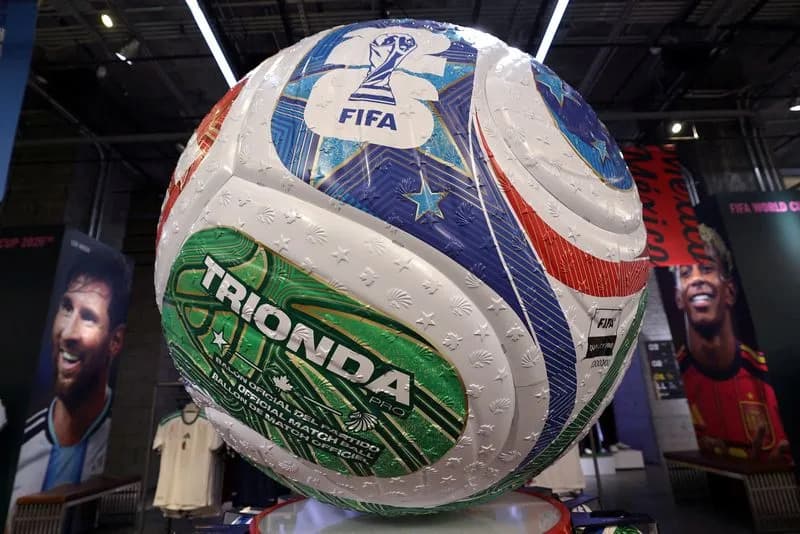
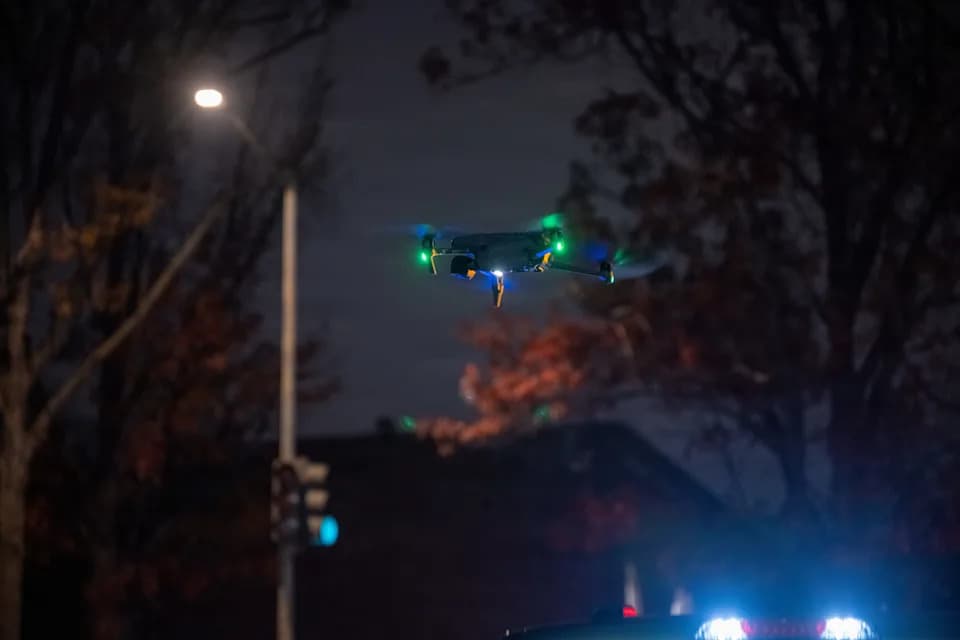
The White House is pushing Congress to grant broader authority to remove unmanned aerial vehicles from U.S. airspace as the nation prepares to host the 2026 World Cup and the 2028 Olympic Games. Officials hope to attach the measure to an upcoming must-pass defense policy bill, but the proposal is provoking debate over federal reach into aviation and public-safety decisions.
Draft legislation circulated by the administration would authorize federal agencies — including the Departments of Homeland Security and Justice — to deploy counter-drone measures at "large-scale public gatherings or events," critical infrastructure and correctional facilities. The proposal would also expand counter-drone powers available to state and local law enforcement.
Under current law, federal intervention against drone threats is limited to narrowly defined, high-risk locations such as certain government operations and power plants. Supporters of the change say the broader authority is needed to protect major international events and large public celebrations.
Leaders of the House and Senate Armed Services Committees are racing to finalize defense bill language in the coming days. The administration has been circulating draft language among congressional offices and working with leadership offices to build support.
The effort is part of a wider security push that also includes a newly announced $500 million program to help state and local governments develop anti-drone strategies for the tournaments and for public events tied to the nation’s 250th anniversary.
"This is an important issue we must address as we prepare for global events such as the World Cup and the Olympics," said a House GOP leadership aide who spoke on background about the negotiations.
But the plan faces resistance. Some Senate Commerce Committee members describe the draft as a potential federal overreach that could give national officials too much discretion in how to "protect the public." The Commerce panel has jurisdiction over aviation matters and has raised concerns about broad new interdiction authorities.
Phoebe Keller, a spokesperson for the committee's chairman, said: "We are happy to work with the administration on this proposal and any suggestion to the contrary is simply untrue."
Sen. Eric Schmitt (R-Mo.), who supports stronger counter-drone measures and represents a state hosting multiple World Cup matches, said his office is pressing for a timely path forward. His spokesperson added that unauthorized drones present a clear risk and urged Congress to act with urgency.
It remains uncertain whether Congress will adopt the proposal as written. Negotiations are ongoing, with lawmakers weighing the balance between public-safety needs at major events and protections against unchecked federal authority.