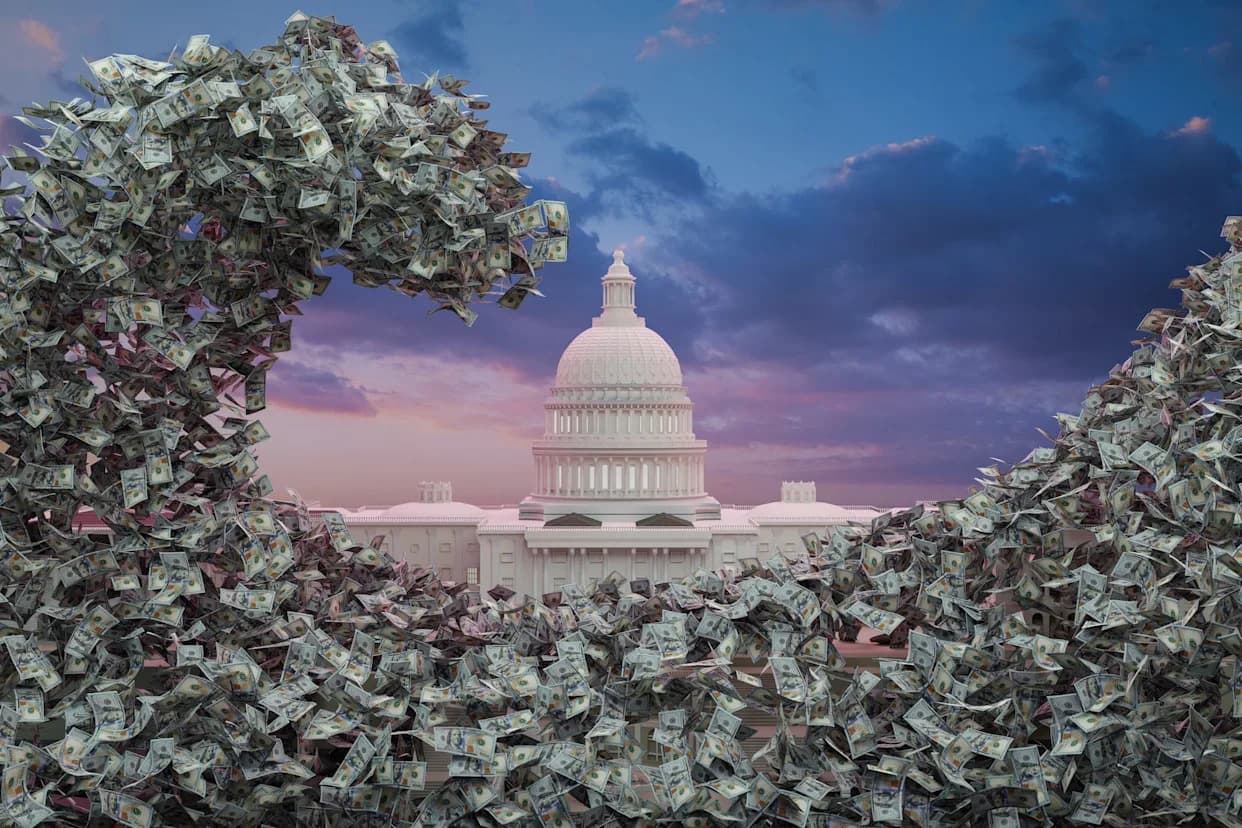
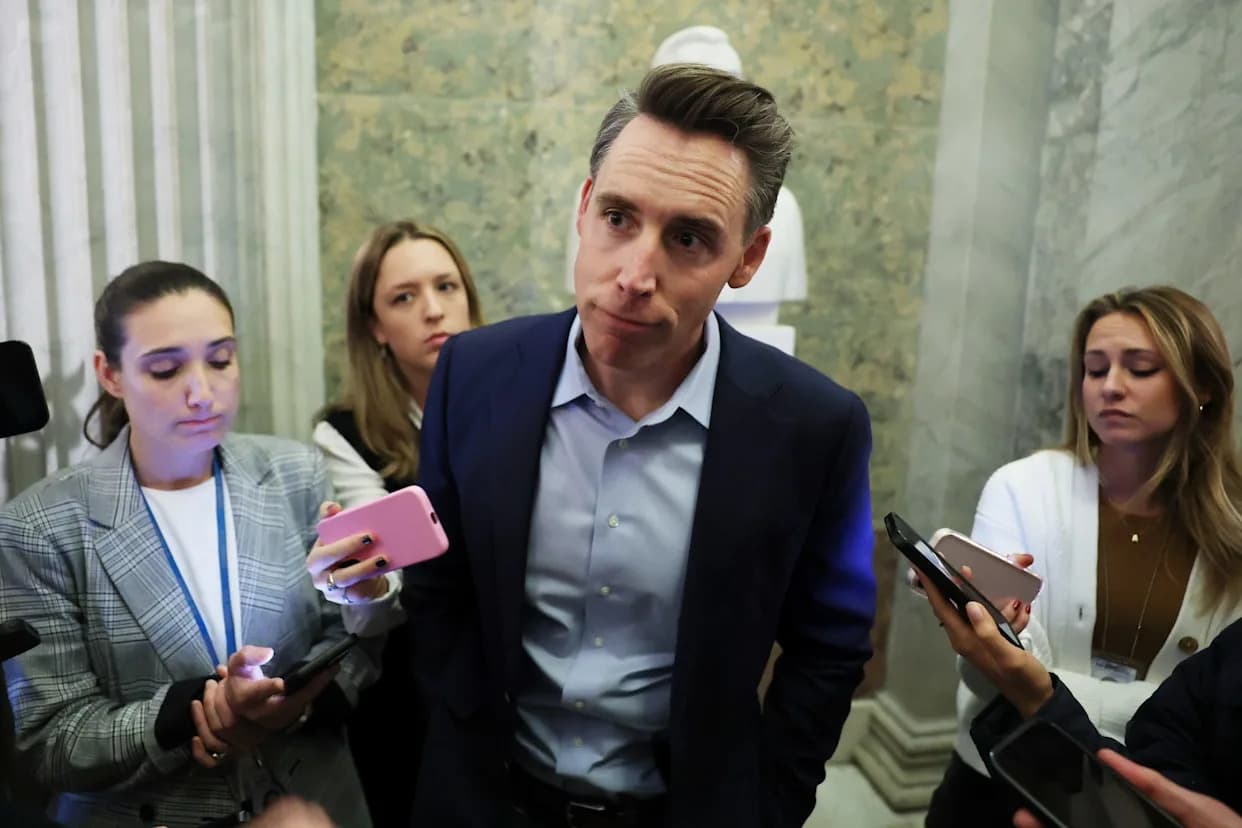
Leading the Future, a roughly $100 million pro-AI super PAC, miscalculated by making Assemblyman Alex Bores its first target, boosting his profile instead. Public distrust of AI is high: only 32% report confidence and 17% want greater everyday use. Political pressure to protect jobs, child safety, privacy, and states’ regulatory authority now crosses party lines, forcing a fraught debate over national standards versus local control. Industry spokespeople warn strict limits could cede advantage to global competitors, especially China.
Pro-AI Super PAC Misfires as Bipartisan Populist Backlash Grows

Leading the Future, a roughly $100 million pro-AI political effort, misjudged its first major electoral move when it targeted New York Assemblyman Alex Bores — and the attack delivered an unexpected boost to his campaign. Bores, a 35-year-old Democrat running in a crowded primary to succeed Rep. Jerrold Nadler, framed the PAC’s opposition as proof that tech interests fear his proposed RAISE Act, which would set new AI safety standards and other reforms.
“I appreciate that they’re being so direct,” Bores said. “They sound terrified that I will stand up to them on behalf of the people of this district, that I will be the biggest obstacle to their quest for unbridled control over the American worker, over our kids, over the environment.”
Why the backlash matters
The episode illustrates a broader political risk for the AI industry: unlike niche issues that affect a small segment of voters, AI touches broad anxieties about jobs, children’s safety, privacy, and corporate power. Polling shows those concerns are widespread — a recent survey found just 32% of Americans feel confident about AI and only 17% want to see it used more in daily life.
At the local level, candidates from both parties have found traction campaigning for limits on AI or stronger local oversight. Democrats have tied AI concerns to affordability and protections for children, comparing harmful chatbot guidance to past fights against damaging corporate products. That messaging helped Democrats win several off-year races where AI limits were part of the campaign.
President Donald Trump has publicly sided with the industry and opposed state-level rules that could slow development. But the Republican coalition is divided: some MAGA figures, worried about job losses and other social harms, have joined Democrats in pushing back against unfettered deployment. “There should not be a moratorium on states’ rights for AI,” wrote Rep. Marjorie Taylor Greene, arguing that states must retain the ability to regulate AI.
Conservative commentator Michael Toscano, a senior fellow at the Institute for Family Studies, criticized the White House’s AI adviser as out of step with the party’s base and urged leaders to listen to pro-family, child safety, religious, and labor groups that have concrete policy proposals and concerns about AI’s direction.
The industry's response
Industry advocates warn that heavy-handed or premature restrictions risk ceding technological leadership to competitors abroad. Josh Vlasto, a spokesman who previously advised a Senate leader and now works with both crypto and AI political efforts, said the U.S. cannot allow populist backlash to derail investment in transformative technologies that can create jobs and improve healthcare and education. “Who in the world would you rather have controlling that process? The United States or China?” he asked.
Industry groups have shifted tactics, running short ads aimed at policymakers that cast proposed national standards as necessary to protect children, jobs, and intellectual property while keeping U.S. companies competitive globally.
Still, the political landscape is unsettled. Lawmakers across the aisle are debating whether a federal ban on state-level AI regulation is appropriate; many argue states should retain regulatory authority to address local concerns. The debate signals that AI policy is unlikely to settle into a simple pro- or anti-industry alignment: populist skepticism for different reasons now spans the political spectrum.
Bottom line: The AI industry’s initial political foray backfired in one high-profile race and revealed broader public unease. That populist pressure — from workers, parents, conservatives and progressives — will shape national and state debates over AI regulation in the months ahead.
Help us improve.