NASA has confirmed it will supply critical hardware and one science instrument for Europe’s Rosalind Franklin Mars rover, now targeted for a 2028 launch. The rover is designed to drill up to two metres (6.5 feet) beneath the surface to search for signs of life. NASA’s confirmed contributions include the launcher, a radioisotope heater unit and the braking engine, offering relief after the mission was suspended in 2022 when ESA ended cooperation with Russia. The rover is scheduled to land on Mars in 2030.
NASA Confirms Support for Europe’s Rosalind Franklin Mars Rover, Clearing Path for 2028 Launch

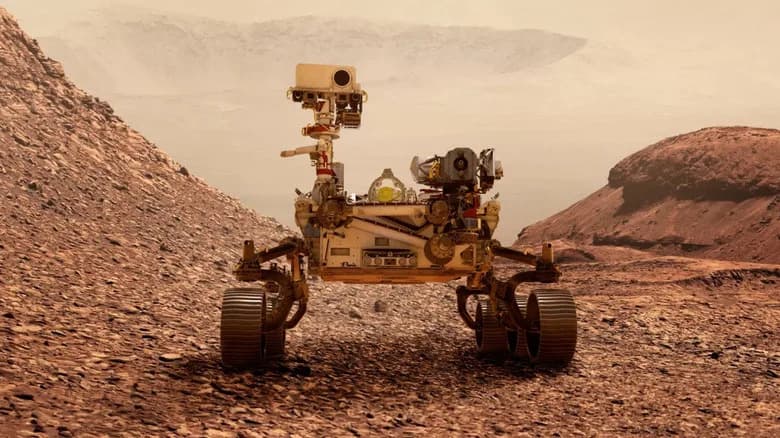
NASA has officially informed the European Space Agency (ESA) that it will contribute key elements to Europe’s Rosalind Franklin rover, now scheduled for launch in 2028 after several delays, ESA said.
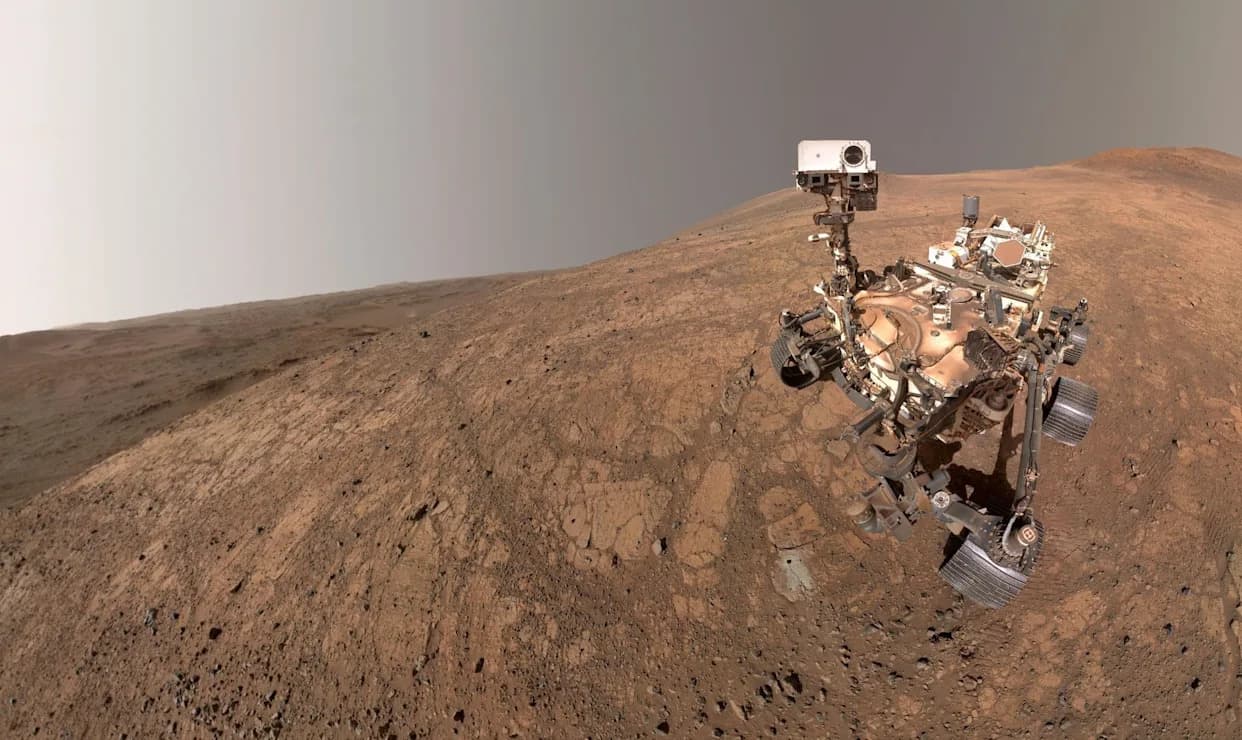
The Rosalind Franklin rover is designed to be the first rover on Mars able to drill up to two metres (6.5 feet) below the surface to search for signs of past or present life. Confirmation of U.S. support reduces uncertainty caused by earlier setbacks, including the suspension of cooperation with Russia in 2022.
"I have received a letter from the NASA administration to confirm the contributions," ESA Director General Josef Aschbacher said.
Aschbacher, speaking on the sidelines of an ESA ministerial meeting in Bremen, Germany, called the news "good news" for the mission. NASA's contributions include three major items: the launcher, a radioisotope heater unit (RHU) and the braking engine. The braking engine had been agreed earlier; the new confirmations for the launcher and the RHU are important logistical and technical reassurances for project planners.
In addition to hardware, NASA will provide a scientific instrument to help analyse traces that could indicate biological activity. The rover—named for British scientist Rosalind Franklin—remains planned to touch down on the Martian surface in 2030.
The project's timeline has shifted repeatedly since its original 2020 launch target. After Russia’s invasion of Ukraine in 2022, ESA ended its cooperation with Roscosmos and sought U.S. partnership for replacement elements. The mission's prospects had also faced uncertainty amid proposed U.S. budget reductions; the recent letter from NASA offers clearer support as ESA prepares for the next development phases.
ESA and NASA will continue coordinating technical integration, launch scheduling and the remaining science payload details ahead of the 2028 launch window.
Help us improve.