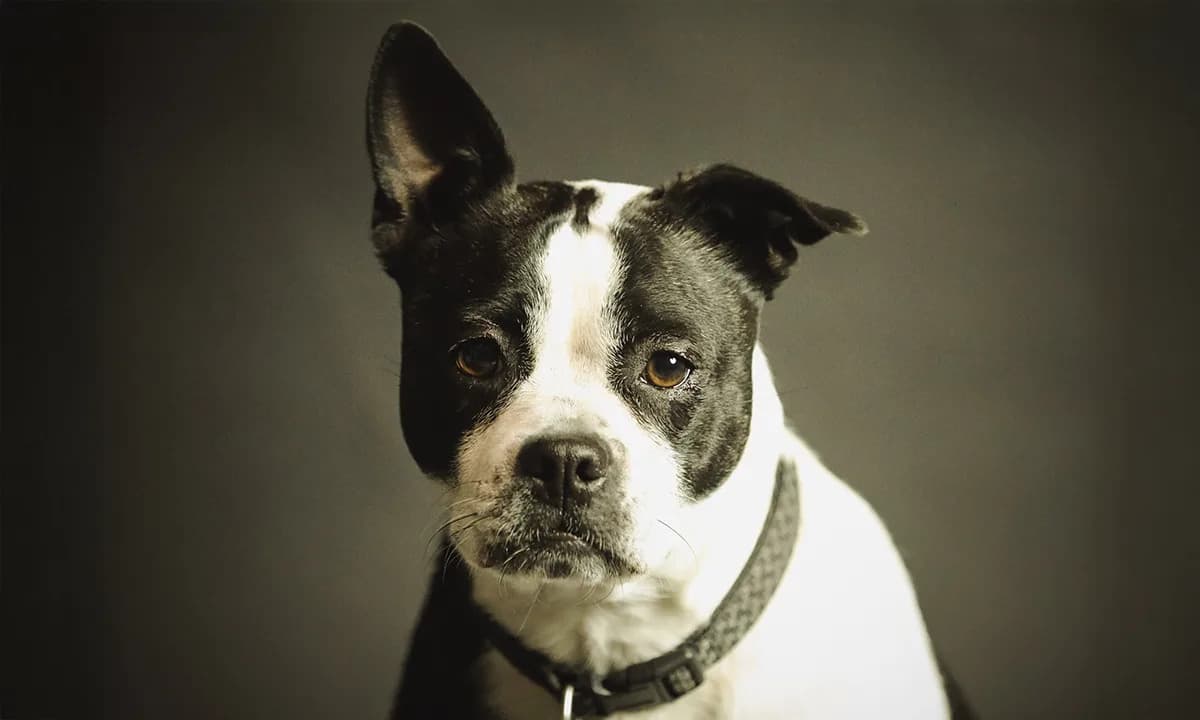
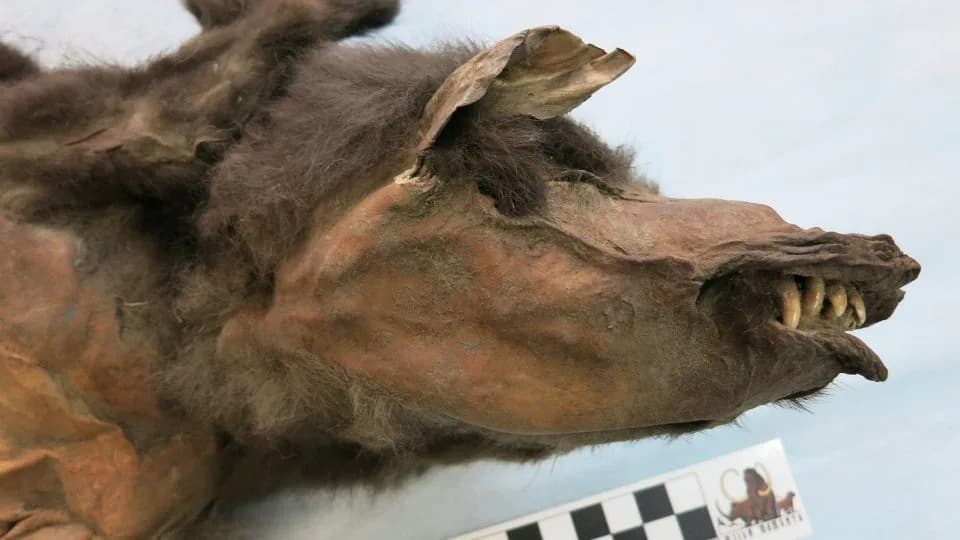
The reanalysis of nearly 2,700 ancient and modern canid genomes shows many modern dog breeds carry small amounts of wolf DNA from interbreeding about 2,600 years ago. Most breeds have between 0% and 5% wolf ancestry, though some breeds and specific genomic regions approach ~40%. Every tested village dog had wolf-derived segments enriched for olfactory genes, and loose correlations were found between wolf ancestry and certain kennel-club personality descriptors, though causation remains unproven.
Many Modern Dog Breeds Still Carry Wolf DNA — Which Ones Are Most (and Least) 'Wolfish'?

A large reanalysis of ancient and modern canid genomes reveals that many modern dog breeds retain small but detectable amounts of wolf DNA from interbreeding that occurred long after dogs were first domesticated.
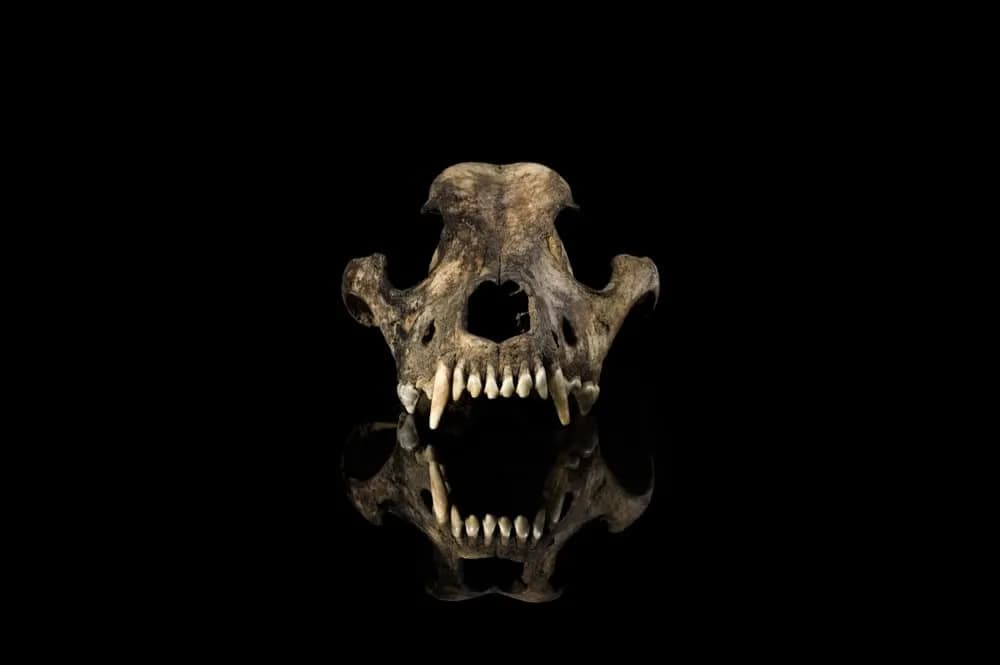
Researchers reexamined nearly 2,700 genomes — including 146 ancient canids, around 1,872 modern purebred dogs and roughly 300 village dogs — spanning the Late Pleistocene to the present. Their results, reported in the journal PNAS, show that wolf genetic material entered numerous dog populations on average about 900 dog generations ago (roughly 2,600 years), well after the initial dog–wolf split more than 20,000 years ago.
'Dogs are our buddies, but apparently wolves have been a big part of shaping them into the companions we know and love today,' said Logan Kistler, curator of archaeobotany and archaeogenomics at the Smithsonian National Museum of Natural History.
Key findings:
- At least 264 modern breeds carry wolf ancestry that traces to relatively recent crossbreeding events. Most breeds show between 0% and 5% wolf-derived DNA, while a few breeds have genomic regions with up to around 40% wolf ancestry.
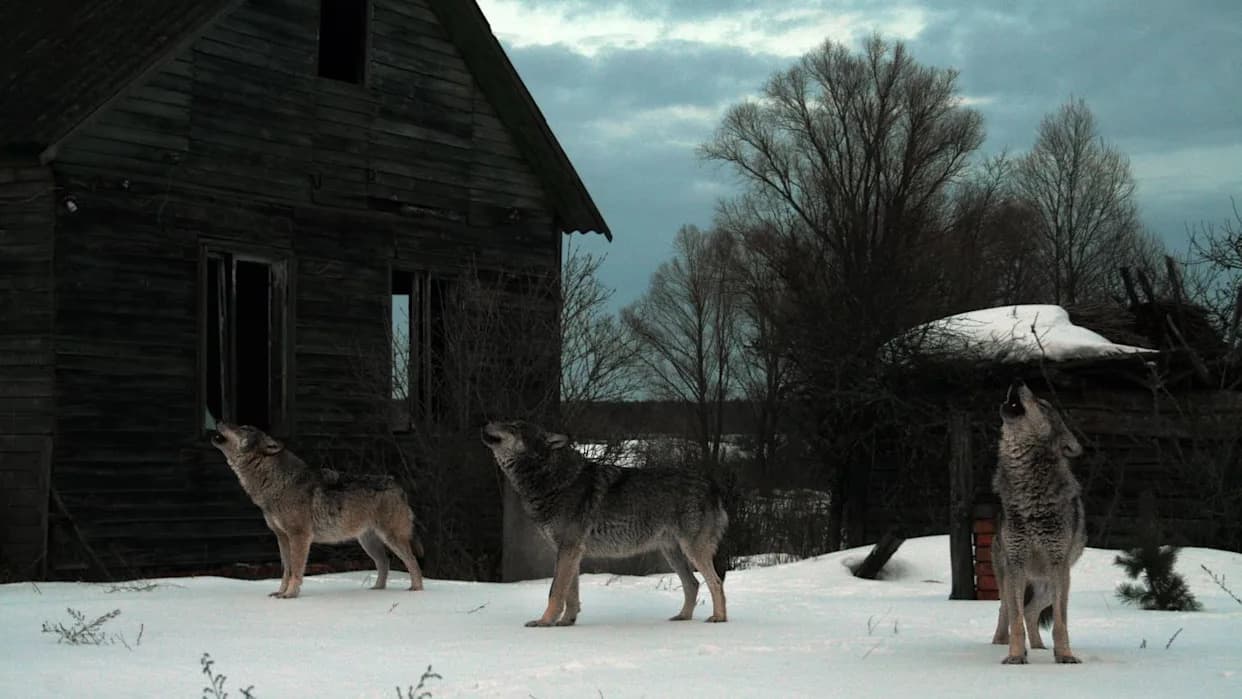
- Breeds intentionally created by crossing dogs with wolves — notably the Czechoslovakian wolfdog and the Saarloos wolfdog — show the highest proportions of wolf DNA.
- Higher wolf ancestry tends to appear in some larger and working breeds (Arctic sled dogs, certain hunting dogs and some guardian breeds from western and Central Asia, such as Anatolian shepherds), but the pattern is not universal: some large guardians (for example, bullmastiffs and Saint Bernards) show no detectable wolf ancestry, while small breeds like Chihuahuas can carry trace amounts (~0.2% in the study's estimate).
'Prior to this study, the leading science suggested there couldn't be much wolf DNA in dogs if they were to remain recognizably dogs,' said Audrey Lin, an evolutionary biologist at the American Museum of Natural History. 'But when we look closely, wolf DNA is present — and dog genomes appear able to tolerate some wolf-derived segments while retaining typical dog traits.'
All tested village dogs contained wolf-derived genomic segments. Those segments were enriched for genes related to olfactory receptors, suggesting that wolf-derived scent-related genes may have helped free-living dogs survive in challenging environments.
The team also found loose correlations between wolf ancestry and behavioral descriptors used by kennel clubs: breeds with lower wolf ancestry were more often labeled 'friendly,' 'easy to train' or 'lively,' while breeds with more wolf ancestry were more frequently described as 'suspicious of strangers,' 'independent' or 'dignified.' The study emphasizes these are correlations and do not prove that wolf genes directly cause specific behaviors.
Overall, the study highlights that dog and wolf genomes have continued to interact for millennia, and that occasional gene flow from wolves contributed to the genetic diversity of many modern breeds. Further research is needed to pinpoint which specific genes affect traits like size, scent ability and behavior, and how recent wolf-derived segments shaped breed characteristics.
Help us improve.