Off‑duty nurse Heather Schubert stopped on I‑10 in New Orleans on Nov. 22, moments after her wedding, to aid a man found beside a vehicle with airbags deployed. She conducted a rapid trauma assessment and noted the man’s pupils were not reactive to light, then stayed with him until EMS arrived. A paramedic praised her quick instincts, and officials have not released the driver’s condition.
Newlywed Nurse, Still in Her Wedding Dress, Stops to Aid Crash Victim on I‑10

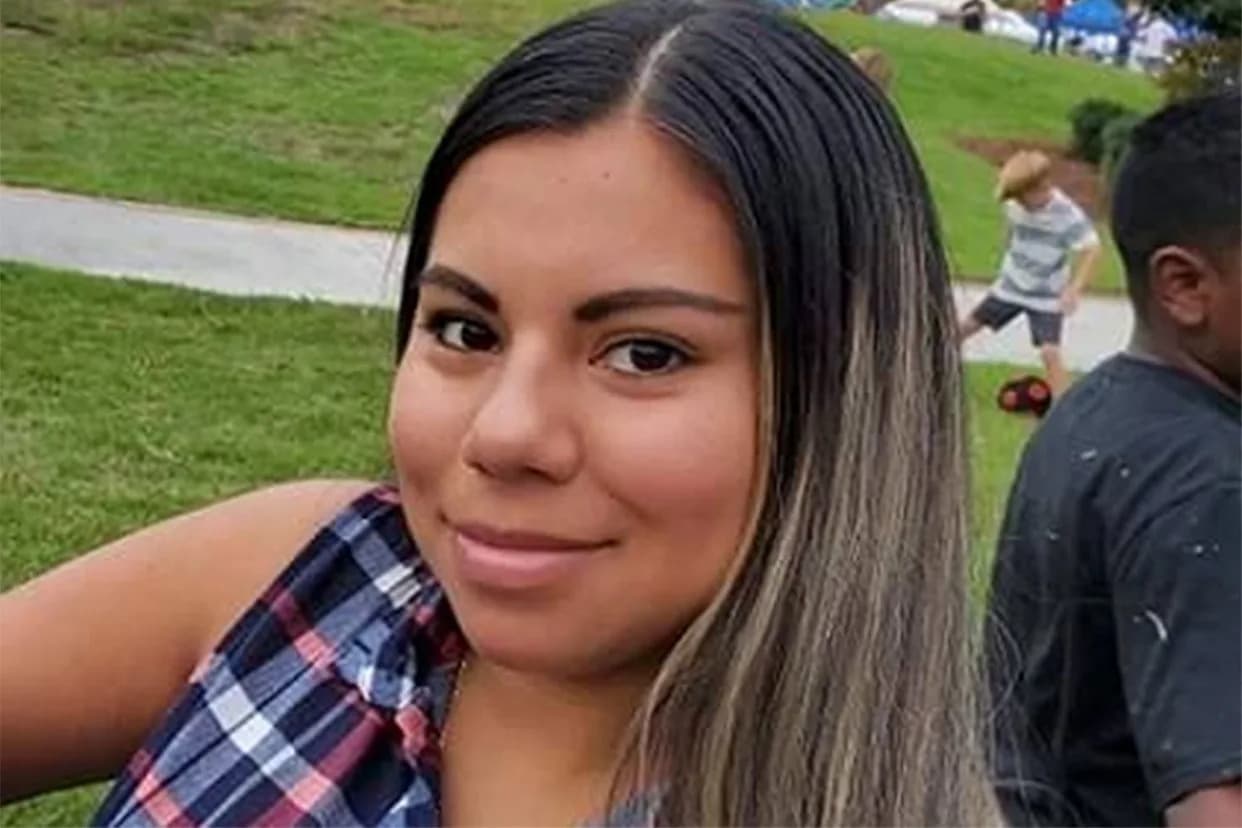
Heather Schubert, an off-duty nurse who had just been married, pulled over on Interstate 10 in New Orleans on Nov. 22 to help a man critically injured in a car crash — still wearing her wedding dress. What began as a celebratory drive home turned into a life-saving intervention.
Schubert, who works at Ochsner Medical Center, spotted a vehicle with its airbags deployed and a man lying beside the roadway. She performed a rapid assessment, checking for trauma responses and examining the man’s pupils, which she said were not reactive to light — a sign of a serious head injury.
"When you’re a nurse and you always put other people first, that's always my first instinct," Schubert said in an interview. She remained at the scene, providing care and monitoring the injured driver until emergency medical services arrived.
Steven Tafoya, a critical care paramedic, praised her quick action and noted that medical responders are trained to help even when they are off the clock. "Just because we're off the clock doesn't mean that instinct stops," he said, calling her response remarkable and a testament to her commitment to patient care.
Officials have not released an update on the driver’s condition. Schubert said she had no hesitation about stopping to help and hopes others would do the same if they encounter someone in need.
Why it matters: This incident highlights the vital role that trained bystanders and off‑duty medical professionals can play in the critical minutes before emergency crews arrive. Rapid assessment and stabilization by someone on scene can make a meaningful difference in outcomes.
Help us improve.