Indonesia has opened a criminal investigation into a suspected source of cesium‑137 contamination tied to exports of shrimp, spices and sneakers to the U.S. and Europe. The probe centers on PT Peter Metal Technology, a scrap‑metal smelter at Cikande Industrial Estate believed to be China‑owned. Around 20 factories were affected, nine workers were treated for exposure, and contaminated sites have been decontaminated. Indonesian officials say levels posed no acute health risk, but investigations have been complicated after company managers returned to China.
Indonesia opens criminal probe into cesium-137 contamination in exports to US and Europe
Indonesian authorities have launched a criminal investigation into the suspected source of radioactive contamination that triggered recalls of shrimp and spices bound for the United States and contaminated sneakers shipped to the Netherlands.
The inquiry is focused on a metal‑processing plant inside the Cikande Industrial Estate in Banten province on Java. Investigators say the smelting firm, identified as PT Peter Metal Technology, is believed to be China‑owned and processes scrap metal into steel rods.
"The police have launched the criminal investigation," said Bara Hasibuan, a spokesperson for the task force handling the case.
Authorities traced the discovery of cesium‑137 back to an initial alert from Dutch officials who detected traces of radiation in shipping containers from Indonesia; that report said several boxes of sneakers were contaminated.
In August, the U.S. Food and Drug Administration issued a safety alert advising consumers not to eat certain frozen shrimp imported from PT Bahari Makmur Sejati — a company trading as BMS Foods near the industrial estate — after cesium‑137 was found in containers sent to U.S. ports.
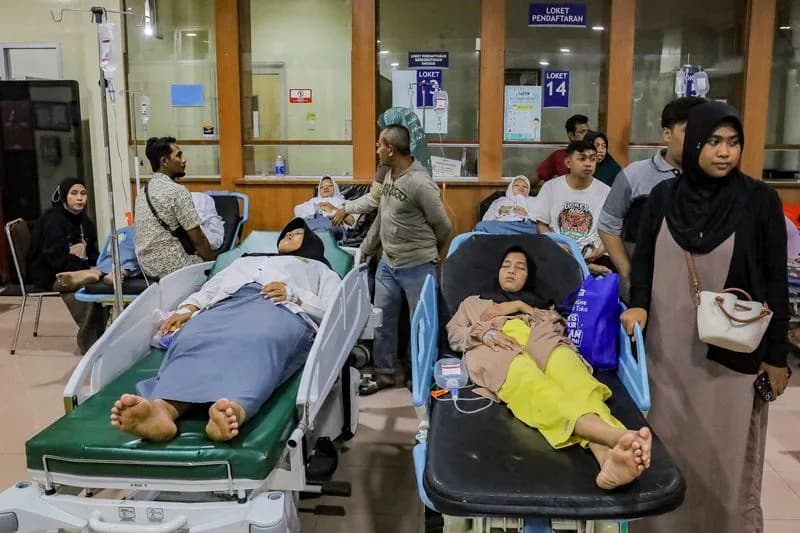
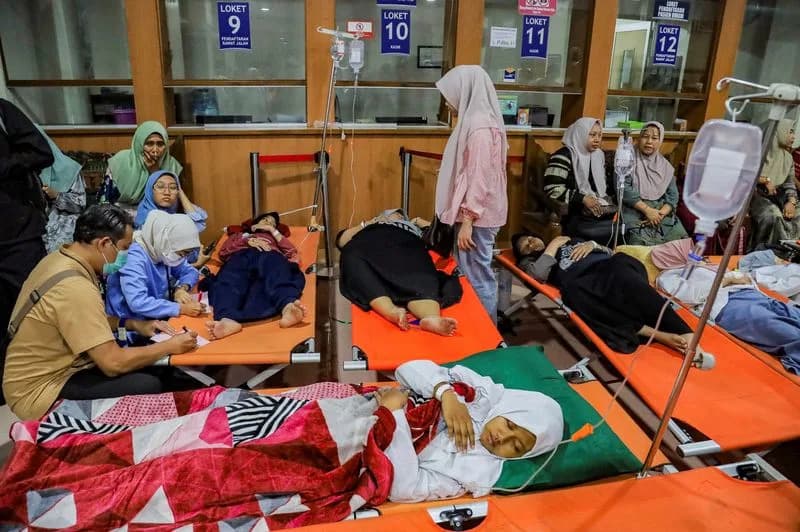
Officials say about 20 factories connected to the Cikande industrial area were affected, including facilities that process shrimp and manufacture footwear. Nine employees working on the estate tested positive for exposure to cesium‑137; they received treatment at a government hospital in Jakarta, and all contaminated sites in the industrial complex have undergone decontamination.
The Associated Press said it was unable to locate contact details for PT Peter Metal Technology. Indonesian investigators have reported challenges because the company’s management, who run the smelting operation, have returned to China, complicating on‑site inquiries.
Setia Diarta, director general of Metal, Machinery, Transportation Equipment, and Electronics at Indonesia’s Ministry of Industry, told lawmakers earlier this month that the absence of company managers has hindered progress in the probe.
The FDA has said that while repeated, long‑term low‑dose exposure to cesium‑137 can raise health risks, the levels found in the Indonesian shipments did not constitute an acute danger to consumers.
Indonesian authorities added they are preventing goods contaminated with cesium‑137 from entering the domestic market. Earlier this month, port officials stopped eight containers of zinc powder from Angola after contamination was found; those containers remain held while administrative steps for re‑export are completed.
Help us improve.