The Justice Department has indicted nine people in connection with a July 4 protest at the Prairieland ICE facility; arraignments are set for next week. One defendant, Daniel Rolando Sanchez, faces up to 40 years after officers say he transported a box of anti-government zines and handwritten tactics for civil unrest that ICE called "insurrectionist propaganda." The case raises First Amendment questions because political literature is protected unless it amounts to incitement of imminent lawless action. Observers warn that labeling a broad movement as a terrorism threat risks criminalizing protected speech and chilling dissent.
Texas Man Could Face 40 Years for Transporting Anti-Government Pamphlets — First Amendment Questions Loom

Federal prosecutors have indicted nine people they describe as a "North Texas Antifa Cell," with arraignments scheduled for next week. The charges range from attempted murder to supplying materials to support terrorism, but one defendant’s case—centered on transporting a box of anti-law-enforcement, anti-government, and anti-immigration pamphlets and zines—raises urgent First Amendment concerns.
What happened
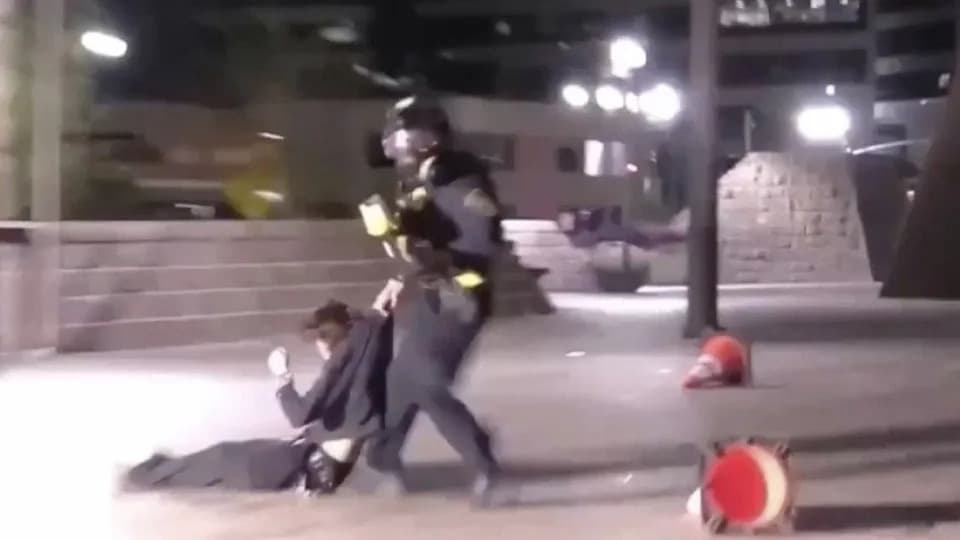
On the night of July 4, protesters opposed to immigration enforcement gathered at the Prairieland Immigration and Customs Enforcement (ICE) detention facility in Alvarado, Texas. The indictment says some participants "began shooting and throwing fireworks…and vandalizing vehicles and a guard shed." A Department of Homeland Security officer called local police, and an Alvarado Police Department officer who responded was reportedly struck nonlethally in the neck.
The incident led to multiple arrests. Investigators say Daniel Rolando Sanchez was not present at the facility during the shooting, but his wife, Maricela Reuda, was arrested there. According to Sanchez's criminal complaint, Reuda called him from the Johnson County Jail and told him to "do whatever you need to do, move whatever you need to move at the house."
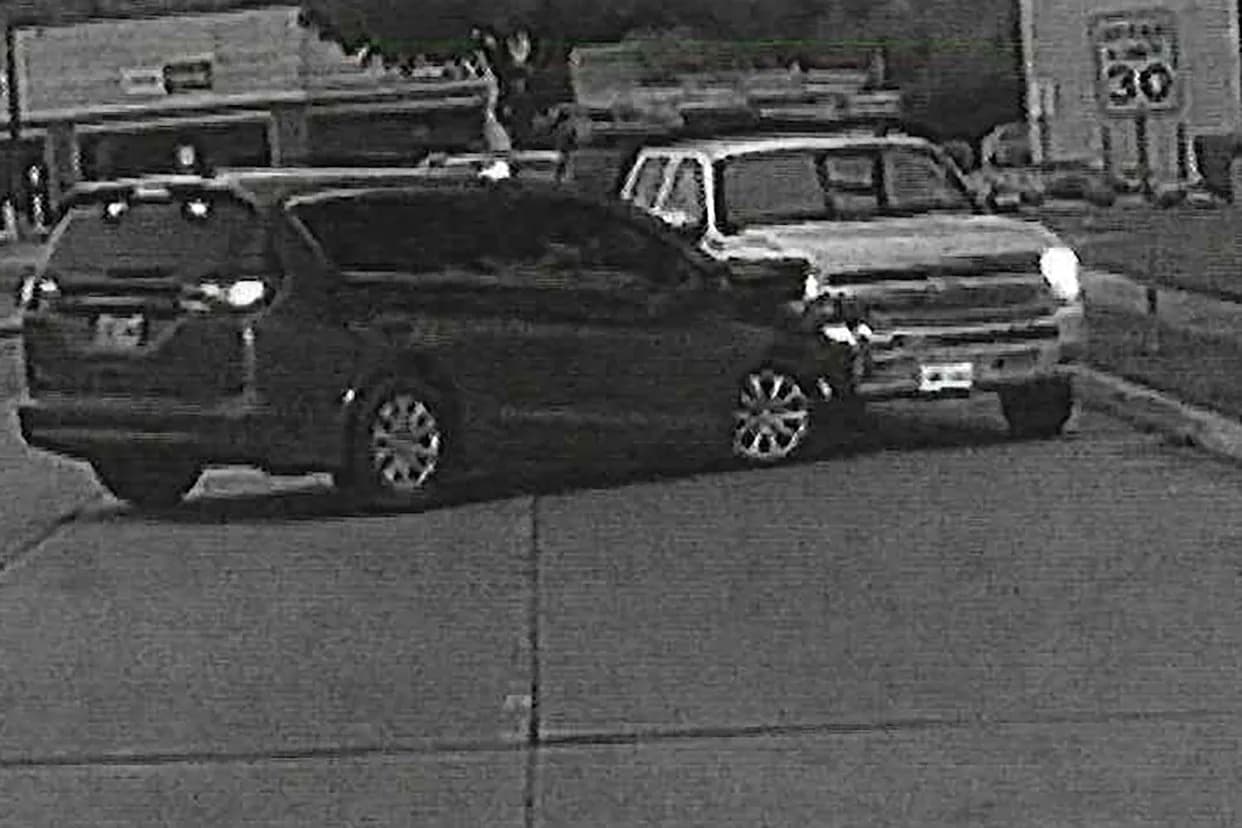
Officers observed Sanchez load a box from his home into his truck and later drop it at a second residence. He was stopped shortly after on state traffic charges and taken into custody. A search warrant at the second residence recovered a box that appears to be the same one Sanchez moved. Inside were handwritten training, tactics, and planning documents for civil unrest, along with zines and pamphlets that ICE described on X as "literal insurrectionist propaganda."
Charges and legal issues
The most recent indictment accuses Sanchez of conspiring to—and of "transport[ing] a box that contained numerous Antifa materials… intending to conceal the contents of the box and impair its availability for use in a federal grand jury and federal criminal proceeding." Prosecutors say those actions support obstruction and conspiracy counts that could carry up to 40 years in prison.
But the materials themselves raise constitutional issues. Political advocacy, including provocative anti-government and anti-law-enforcement literature, is generally protected by the First Amendment. Under Supreme Court precedent (Brandenburg v. Ohio), the government may only punish speech that is intended to incite imminent lawless action and is likely to produce such action. Mere possession, distribution, or private discussion of radical ideas—even those that advocate future upheaval—is not by itself criminal speech.
After an executive order later labeled "antifa" as a subject of heightened concern, prosecutors across some jurisdictions have cited advocacy materials when pursuing cases tied to violence and unrest. Critics warn that treating written advocacy or affiliation with a diffuse movement as evidence of terrorism risks criminalizing protected expression.
Broader implications
Observers—including reporter Seth Stern—note that zines and pamphlets advocating anti-government views are more analogous to Revolutionary-era pamphleteering than to today's fast-moving social-media campaigns. Sanchez's prosecution will test how courts balance law-enforcement and national-security interests against established First Amendment protections, especially when charges hinge on alleged efforts to conceal potentially linked materials rather than on direct evidence of imminent violent plotting.
Arraignments next week will spotlight these tensions and may clarify how far prosecutors can rely on advocacy materials, association with a movement, or efforts to remove evidence when pursuing serious federal charges.
Help us improve.