Holiday promotions have pushed down headline prices on Thanksgiving staples — retail turkey is about 16% cheaper and some retailers report a ~25% cheaper Thanksgiving basket — but experts warn those cuts are temporary. Polling shows many Americans remain worried about grocery affordability and blame the administration. Persistent drivers such as labor costs, climate risks, tariffs on farm inputs and potential disease outbreaks could push food prices higher again.
Thanksgiving Savings Mask a Bigger Food-Price Problem for Trump

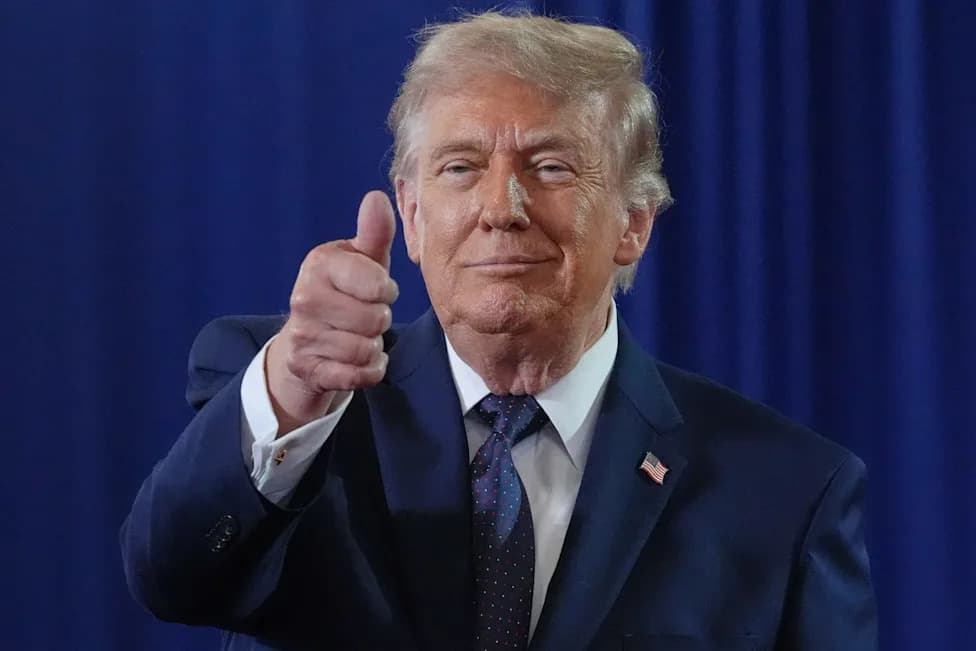
President Donald Trump has pointed to cheaper Thanksgiving staples as evidence that grocery costs are easing, but analysts and industry sources say holiday promotions may be concealing deeper, persistent price pressures.
Holiday discounts can be misleading
Shoppers are seeing lower prices on some seasonal items: retail turkey prices have fallen roughly 16 percent from a year ago, according to the American Farm Bureau Federation, and major retailers reported cuts on popular side-dish items. Walmart also said a typical Thanksgiving basket could cost about 25 percent less than last year — with the important caveat that this year’s basket contains fewer items, smaller portions and cheaper brands.
Those markdowns often reflect short-term retail strategies to attract shoppers, not permanent declines in underlying costs. Several food-industry groups and supply-chain analysts warn that discounts are temporary, with retailers absorbing costs for the holiday season and many expecting prices to rebound as soon as January — particularly if avian influenza resurges.
What consumers are feeling
Recent polling indicates Americans remain anxious about grocery affordability. A sizable majority say food costs are a top concern, and many blame the current administration for elevated prices. That frustration stretches beyond typical partisan lines and includes a portion of voters who supported the president previously, complicating political messaging.
“I think there are many reasons why Donald Trump got elected, but the number one has to be how people felt about their own personal finances,” said Rep. Don Beyer (D-Va.), criticizing the administration’s approach to reducing costs.
Why prices could rise again
Broader indicators suggest the underlying trend remains upward: the Consumer Price Index showed overall prices were about 3 percent higher year-over-year in September, while food costs were up roughly 3.1 percent. Experts point to several persistent drivers of food-price inflation, including higher labor costs, climate-related disruptions, and supply-chain pressures.
“All of these forces are pointing to the same direction, which is sharper price increases,” said Raymond Robertson, an economics professor at Texas A&M University.
Policy moves and limits
The administration has rolled back tariffs on some imported staples (including coffee) after agricultural groups warned duties were contributing to food inflation, but tariffs on key farm inputs such as steel, aluminum and certain pesticides remain. Those inputs affect the cost of producing vegetables and many side dishes.
“Vegetables like potatoes and green beans depend on fertilizer, equipment and fuel, all of which have increased in price,” said Nick Levendofsky, executive director of the Kansas Farmers Union. “That means higher prices for mashed potatoes, casseroles and everyday side dishes that make up the Thanksgiving table.”
The president has also directed the Justice Department to investigate major meatpackers for alleged price collusion — a probe that officials say could take years — and proposed importing more beef from Argentina to increase supply. The latter proposal provoked strong objections from U.S. ranchers and some Republican lawmakers who say it would undercut domestic producers.
“Once prices go up, they don't come down quickly,” said David Ortega, a food-economics professor at Michigan State University, characterizing the limits of short-term measures.
Bottom line
Temporary Thanksgiving discounts provide welcome relief for shoppers this season but are unlikely to resolve the structural factors keeping food prices elevated. Policymakers face a mix of immediate political pressure and longer-term economic challenges that will determine whether the current lull in headline prices lasts.
Help us improve.