Bolivia has announced the imminent return of the U.S. Drug Enforcement Administration, a major shift in policy since the agency's 2008 expulsion. President Rodrigo Paz will soon outline the timeline while preparing to visit the U.S. for security and energy talks. The decision raises legal questions because Bolivia's Constitution bars foreign armed forces on national soil, and former President Evo Morales has called for a referendum. The Foreign Ministry is reviewing the terms and limits of any cooperation.
Bolivia to Readmit U.S. DEA After 17 Years, Sparking Political and Legal Debate

The Bolivian government has confirmed that the U.S. Drug Enforcement Administration (DEA) will return to the country "very soon," a move that marks the most significant reversal in Bolivia's anti‑drug policy since the DEA was expelled in 2008.
Government signals restoration of ties
Presidential spokesperson Carla Faval said President Rodrigo Paz will announce the timeline and details for the DEA's return within days, linking the decision to a broader restoration of cooperation with the United States and several U.S. agencies. The planned return comes in the early weeks of Paz's administration; he took office on Nov. 8 and is scheduled to travel to the United States next week to seek technical security assistance and advance agreements related to hydrocarbon supplies.
Background and regional context
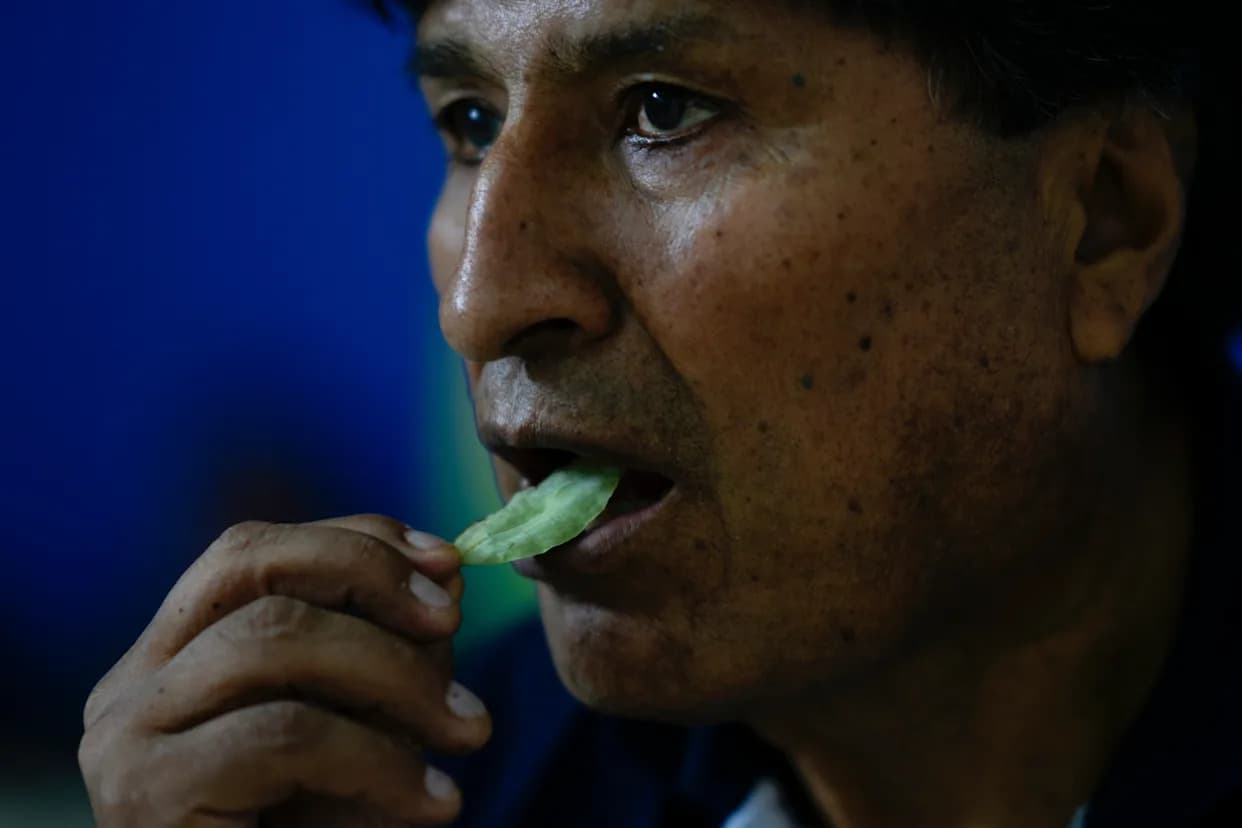
The DEA left Bolivia 17 years ago after then‑President Evo Morales severed diplomatic relations with the United States and expelled the U.S. ambassador, accusing Washington of backing opposition groups. Since then, Bolivia has pursued a domestic model of coca‑leaf control and anti‑narcotics operations without the presence of foreign agencies. United Nations data ranks Bolivia as the world’s third‑largest producer of coca and cocaine, behind Colombia and Peru.
Legal and political challenges
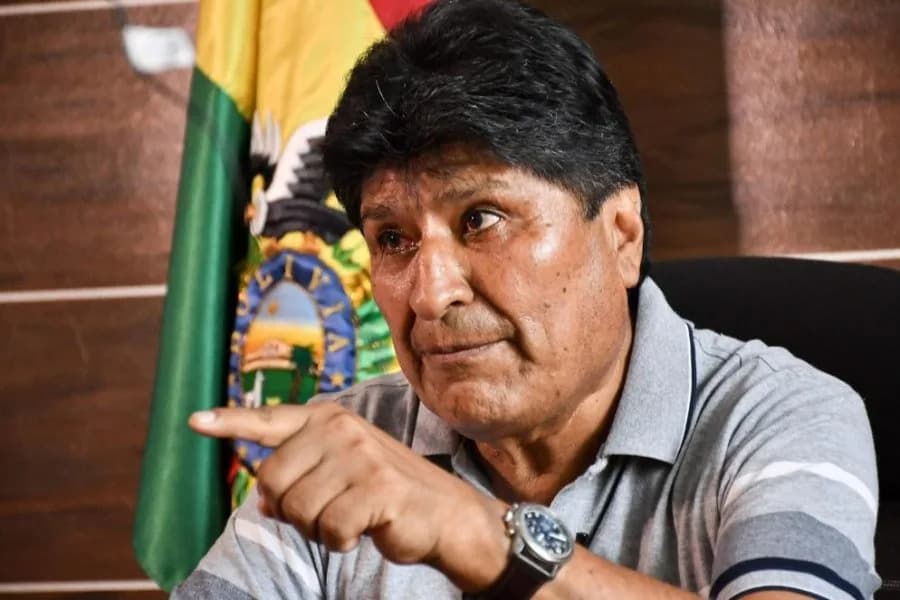
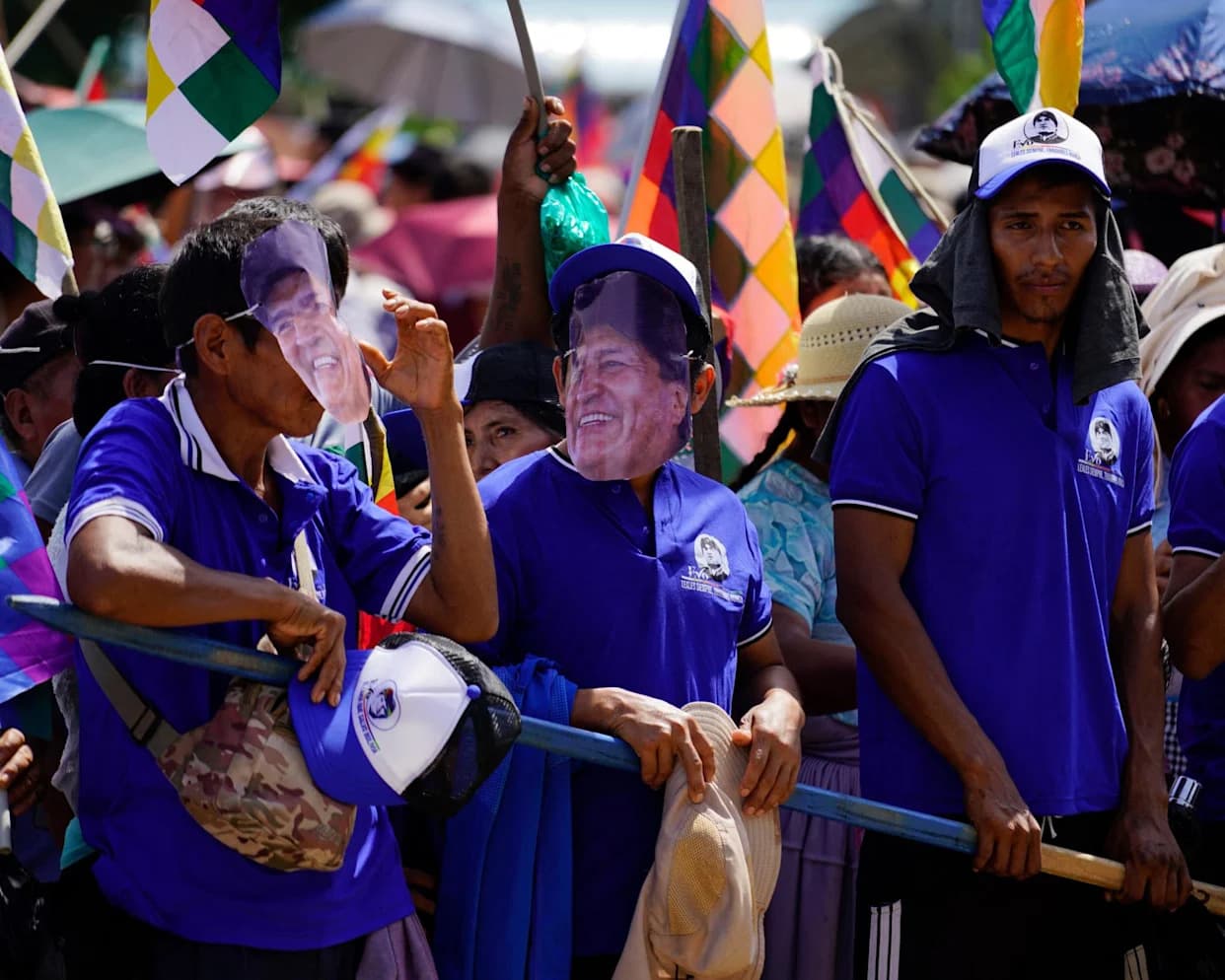
Bolivia's Foreign Ministry is reviewing the legal framework that would govern cooperation with foreign agencies, in part because the Constitution prohibits the presence of foreign armed forces on national territory. Former President Evo Morales has argued the constitutional ban prevents DEA operations in Bolivia and has called for a public referendum on the matter. On his radio program and on social media he warned against foreign intervention, saying, "The dignity and sovereignty of our peoples are not negotiable." Morales also alleged past DEA actions negatively affected the family of the current president, referencing visa revocations and anti‑drug inquiries from the 1990s.
President Paz: "Bolivia must open itself to the world" and accept international cooperation on security, energy and transnational crime. "Anyone who wants to oppose that effort will have to consider their situation in Bolivia. Justice and transparency must be applied here," he said at a news conference.
Political reaction and practical concerns
The announcement has already prompted debate across the political spectrum. Supporters argue that renewed cooperation can strengthen Bolivia’s capacity to combat drug trafficking and secure energy partnerships. Critics point to constitutional constraints, sovereignty concerns and the need for clear, legally binding terms that specify the DEA's mission, limits, and oversight. The government also faces immediate domestic pressures, including a months‑long fuel crisis that opponents say should be resolved alongside any international security arrangements.
As details are finalized, the Foreign Ministry and the presidency appear to be balancing diplomatic outreach with legal and political sensitivities at home. President Paz's upcoming U.S. visit will likely clarify the scope of cooperation and whether a formal bilateral agreement will be signed.
Help us improve.