President Trump and Colombian President Gustavo Petro met privately at the White House for two hours and emerged committed to calmer, pragmatic cooperation on counternarcotics and threats tied to guerrilla groups in Venezuela. The detente follows a tense period of public threats and was facilitated in part by a phone call involving Sen. Rand Paul. Colombia has taken steps such as extraditing a suspected gang leader and aiding a joint drug-seizure operation, but deep differences remain over eradication-and-interdiction policies and the terms for U.S. recertification.
Trump and Petro Pivot From Public Feuding to Cautious Cooperation After White House Meeting
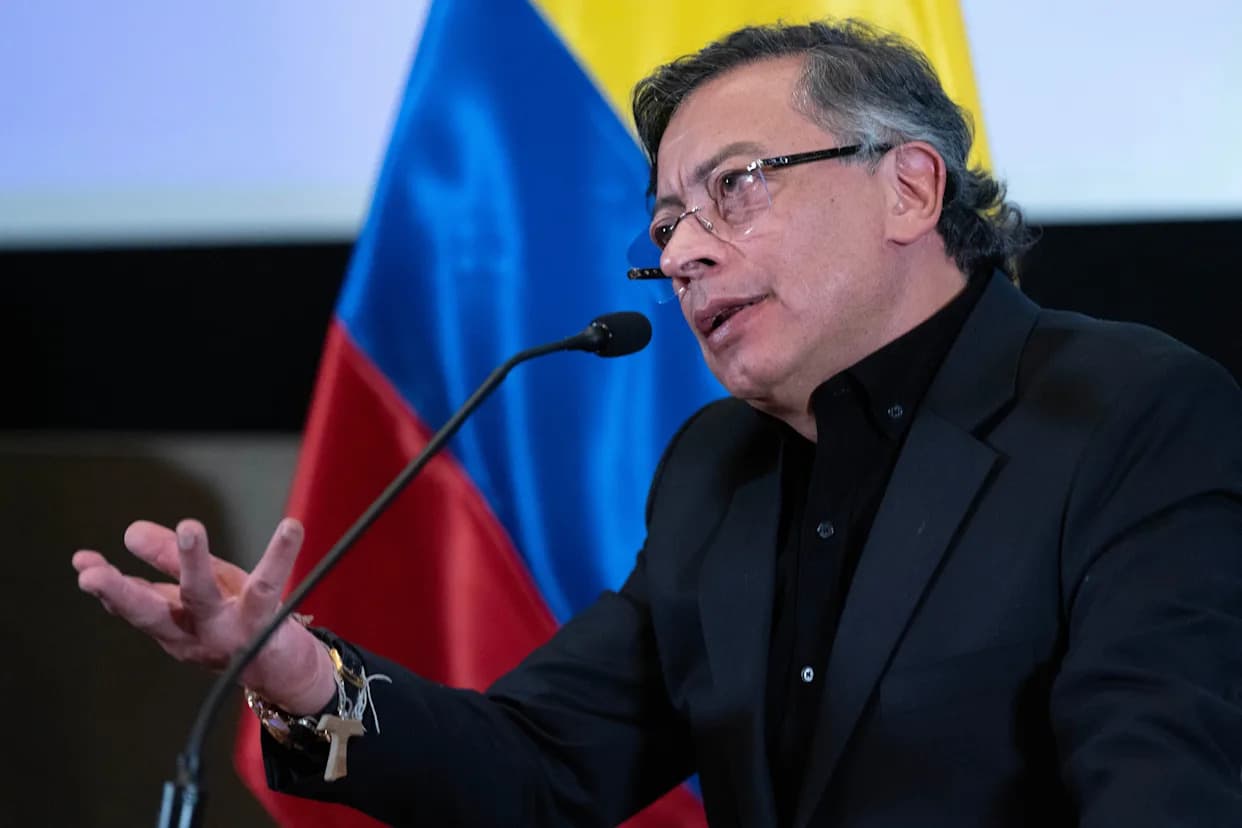
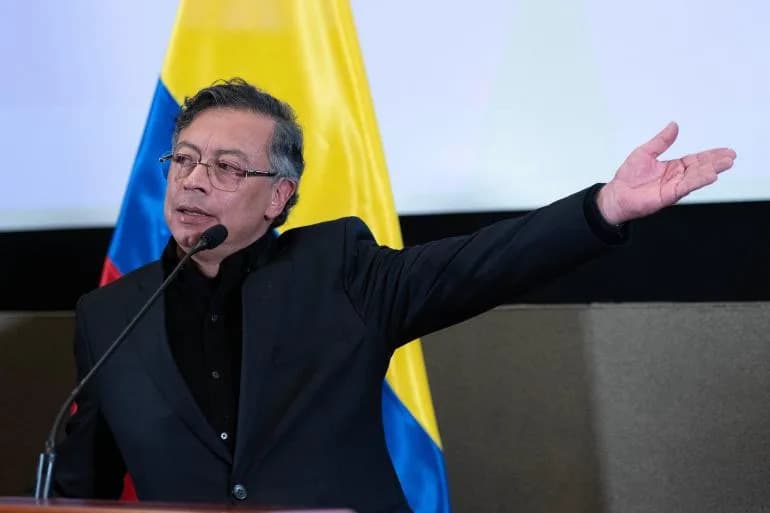
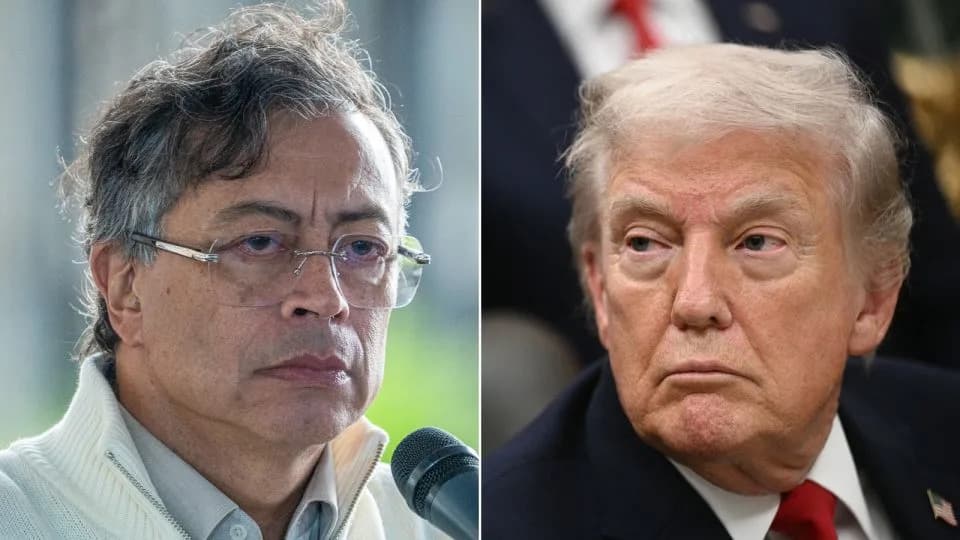
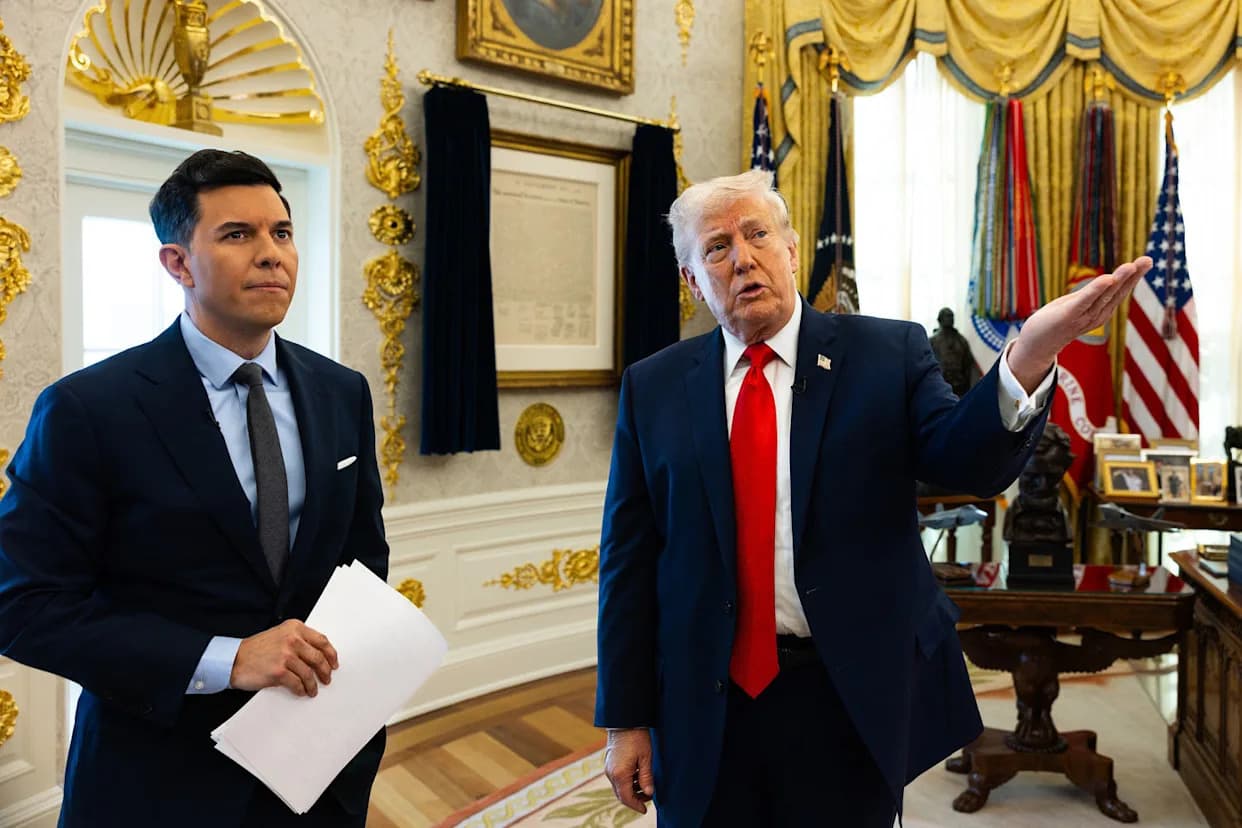
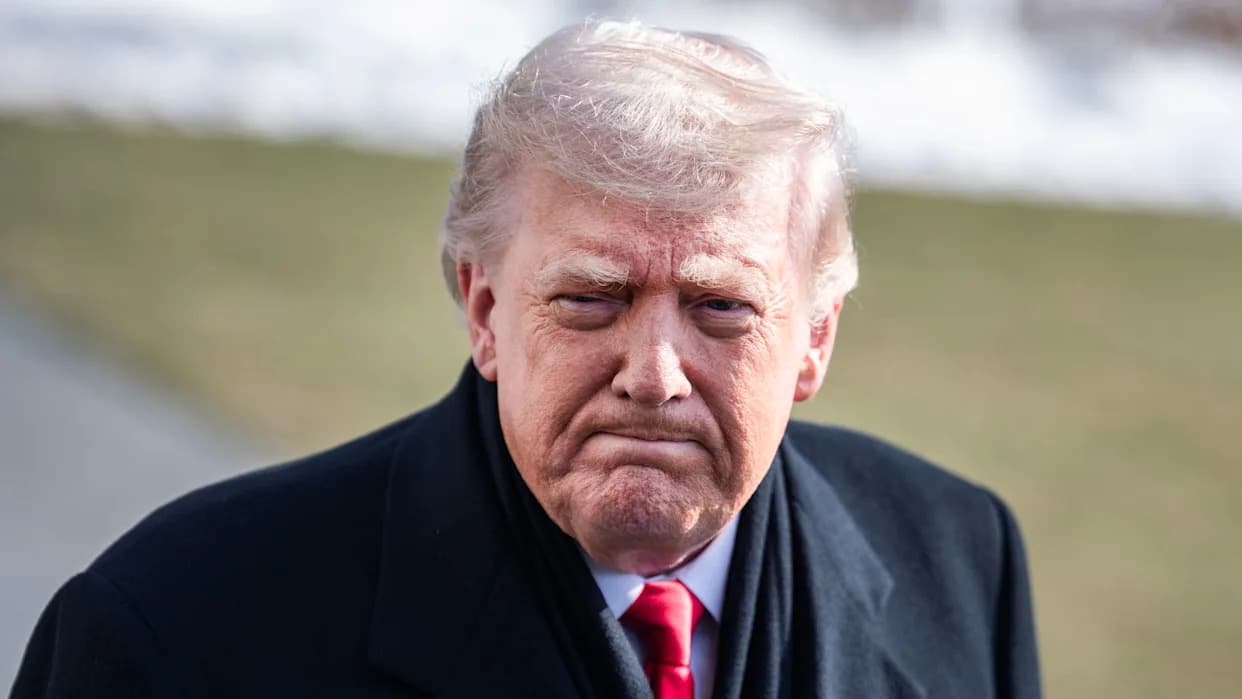
President Donald Trump and Colombia’s President Gustavo Petro emerged from a two-hour closed-door meeting at the White House on Tuesday with a markedly cooler public tone, signaling a shift from the months of public barbs that had strained ties between Washington and Bogotá.
Key agreements and gestures
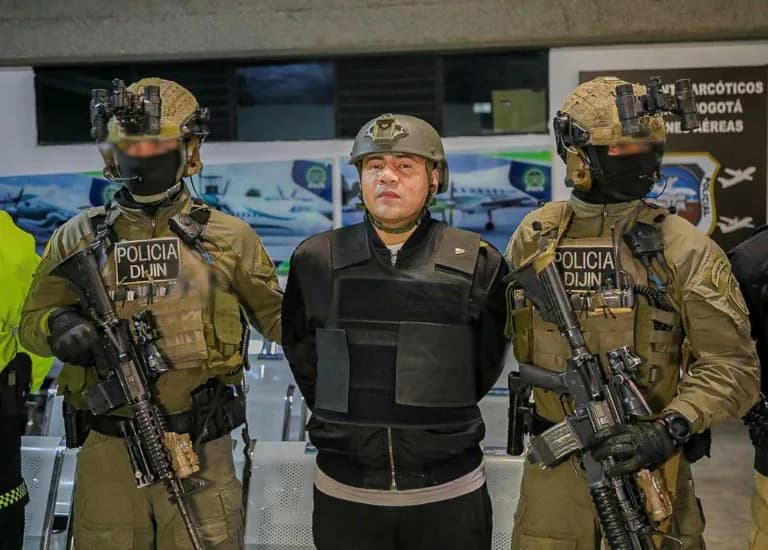
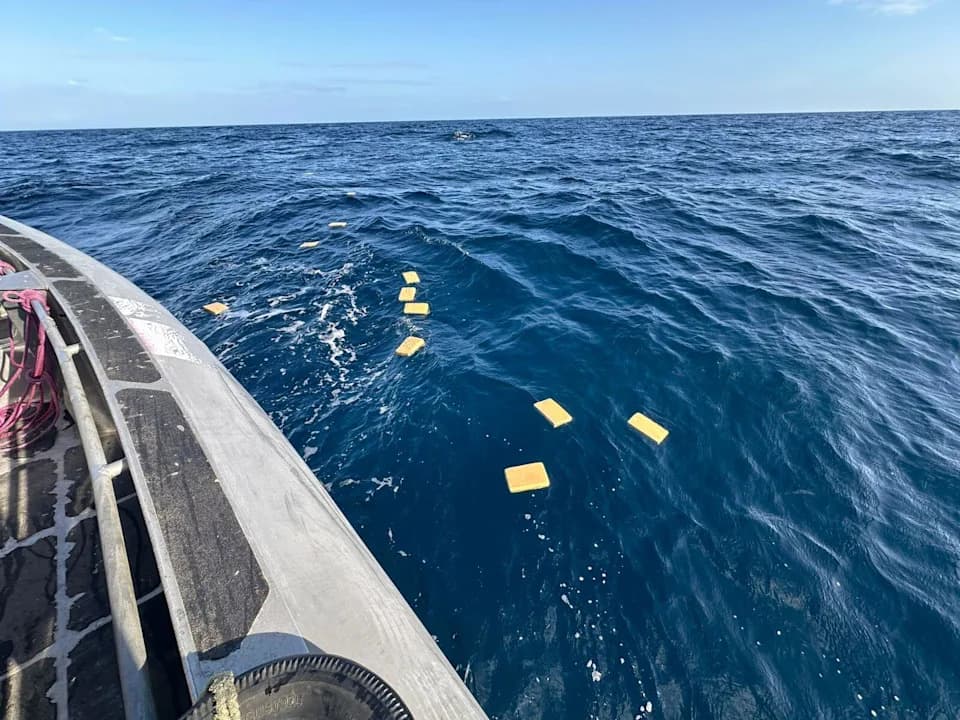
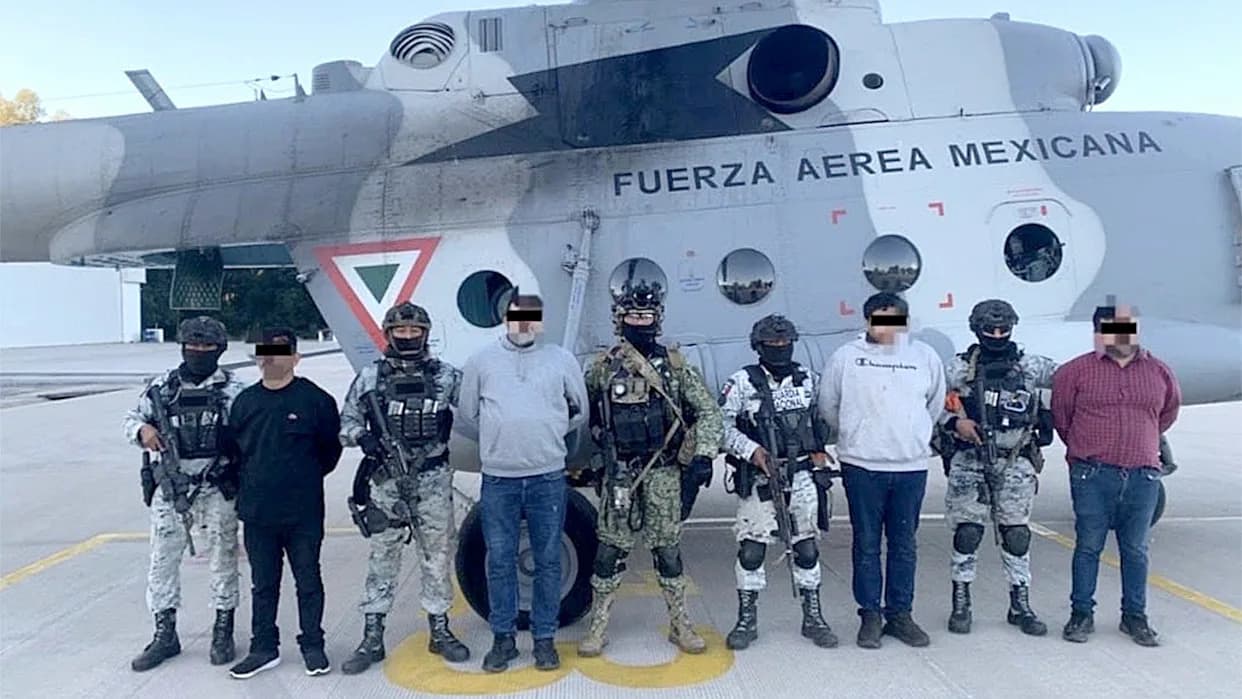
The two leaders said they would cooperate to curb the flow of drugs into the United States and to confront guerrilla groups and terrorist organizations operating in and around Venezuela. In gestures of goodwill, Colombia extradited a leader of the criminal group La Inmaculada to the U.S. and joined U.S. officials in a joint operation that reportedly led to the seizure of a drug-filled submarine near the Azores.
How the detente came about
The meeting followed a tense period after a U.S. military operation in Venezuela and public exchanges in which Trump threatened tariffs, sanctions, visa measures—and at one point hinted that military action against Colombia "sounds good." A phone call facilitated in part by Sen. Rand Paul helped temper the rhetoric and open the door to diplomacy; Colombia’s ambassador to the U.S. later confirmed the account.
Remaining divisions
Despite the conciliatory tone, significant policy differences remain. Petro rejects the long-standing U.S. emphasis on eradication and interdiction, arguing that those tactics harm rural communities and fail to address the Western demand that fuels trafficking. White House officials also signaled that any normalization of relations would be shaped by U.S. priorities; Trump previously "decertified" Colombia as a partner in counternarcotics efforts.
Politics and symbolism
Both presidents traded pleasantries publicly: Trump praised Petro as "terrific," while Petro posted images of a walk with Trump along the West Wing Colonnade and showed off gifts from the president, including a signed copy of The Art of the Deal and a red hat. The White House invited Sen. Bernie Moreno (R-Ohio), a frequent Petro critic, to join the meeting—an overture that underscored the administration’s intent to manage optics and emphasize its terms for cooperation.
“The president thinks he can whip [Petro] into shape,” said a person close to the White House who spoke on the condition of anonymity, describing a broader U.S. approach that leans on economic and military influence in the hemisphere.
Why it matters
The encounter illustrates a recurring pattern in Trump’s diplomacy—intense public pressure followed by private negotiation—and shows how high-stakes security, counternarcotics and regional sovereignty issues are being negotiated at the highest levels. Observers say the rapprochement is fragile: policy differences over drug strategy, regional sovereignty and military operations could reintroduce friction if not managed carefully.
What to watch next
- Whether Washington restores Colombia’s counternarcotics certification and under what conditions.
- Concrete operational cooperation on drug interdiction and further joint actions targeting trafficking networks.
- How both governments manage public messaging to domestic audiences in Colombia and the U.S. while pursuing negotiated compromises.
Help us improve.