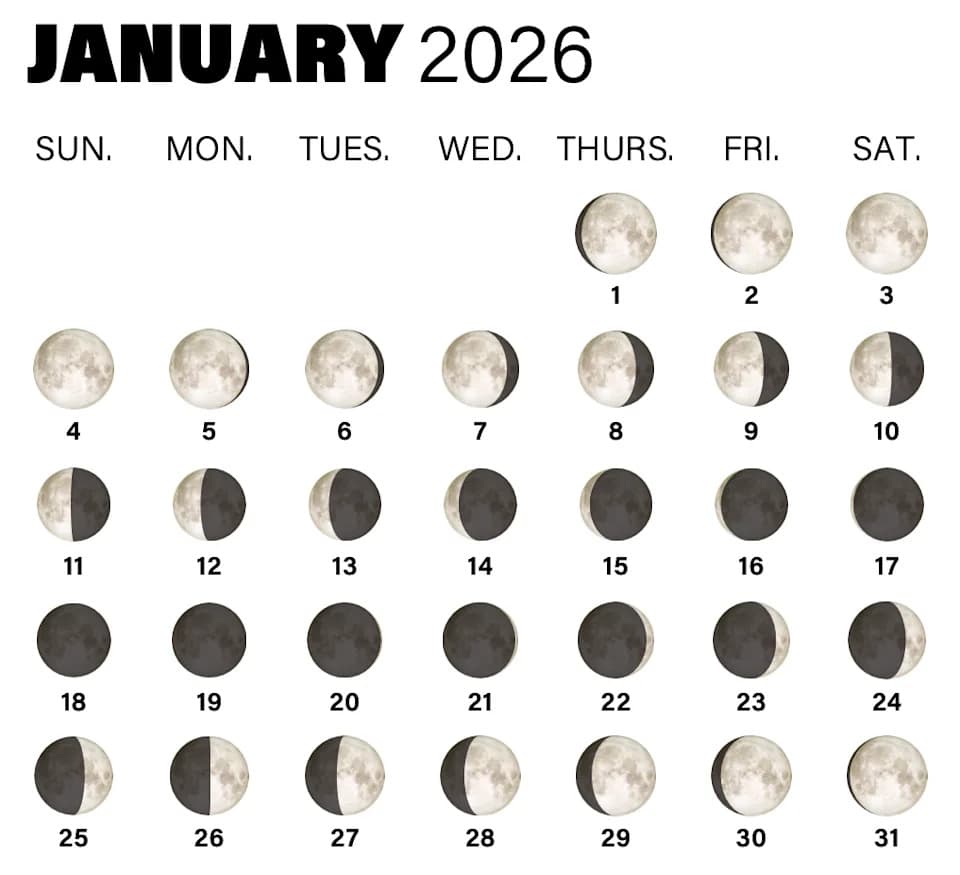
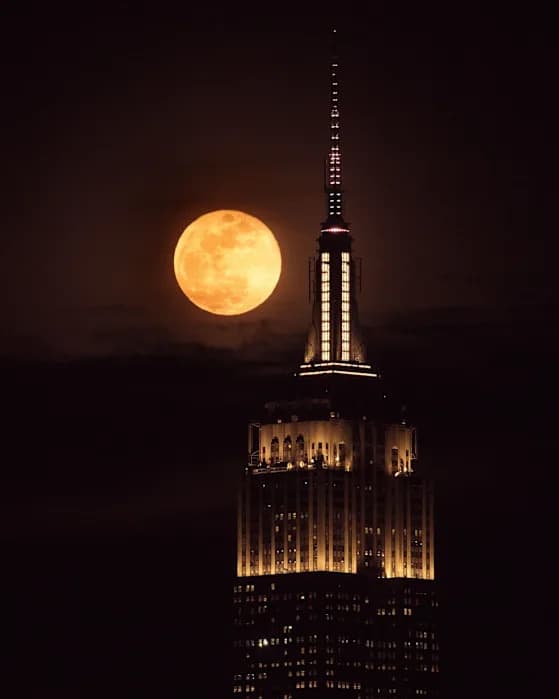
The final full moon of 2025 — the Cold Moon — falls on Dec. 4 and will peak near 6:15 p.m. local time in Binghamton. It is the third and last supermoon of the year, following Oct. 4 and Nov. 5. Full-moon names come from Native American, colonial and European traditions, and December's moon has several winter-themed names such as the Long Night Moon and Snow Moon. A supermoon occurs when the full moon is near its closest approach to Earth, appearing slightly larger and brighter.
Don't Miss the 'Cold Moon' Supermoon — Dec. 4 (Peaks ~6:15 p.m. local)

The final full moon of 2025 — the so-called "Cold Moon" — will appear on Dec. 4 and is also the last of three supermoons this year, following Oct. 4 and Nov. 5. In Binghamton, peak illumination is expected at about 6:15 p.m. local time.
Full-moon names come from Native American, colonial and European traditions and often reflect seasonal activities and conditions. December's moon is commonly called the Cold Moon for the winter chill; other historical names include the Long Night Moon, the Frost Exploding Trees Moon, and the Snow Moon.
What is a supermoon? A "supermoon" happens when the full moon coincides with the moon's near approach to Earth (perigee). By common usage, a full moon qualifies as a supermoon when the moon is at least about 90% of the way to its closest point to Earth as it reaches full phase — making it appear slightly larger and brighter than a typical full moon.
Viewing tips: If skies are clear on the evening of Dec. 4, step outside for a good view. Choose a location away from bright lights, allow your eyes to adapt to the dark, and consider using binoculars or a small telescope to enhance surface details. Remember that clouds and local weather will affect visibility.
Whether you're a casual skywatcher or a photographer, the Dec. 4 Cold Moon is a nice winter spectacle and a final lunar highlight for 2025.
Help us improve.