The Justice Department told a federal judge that Homeland Security Secretary Kristi Noem ordered the March deportation of 100 Venezuelan men to a prison in El Salvador despite a court order to keep them in U.S. custody. DOJ says Noem acted after receiving legal advice from senior DOJ and DHS lawyers who argued the judge’s oral and written orders were ineffective once flights left U.S. airspace. The men remained detained abroad until a U.S.-brokered prisoner swap returned them to Venezuela. Judge James Boasberg is pursuing contempt proceedings and may compel testimony from multiple current and former officials.
DOJ Says Kristi Noem Ordered Deportation of 100 Venezuelan Men Despite Judge’s Order

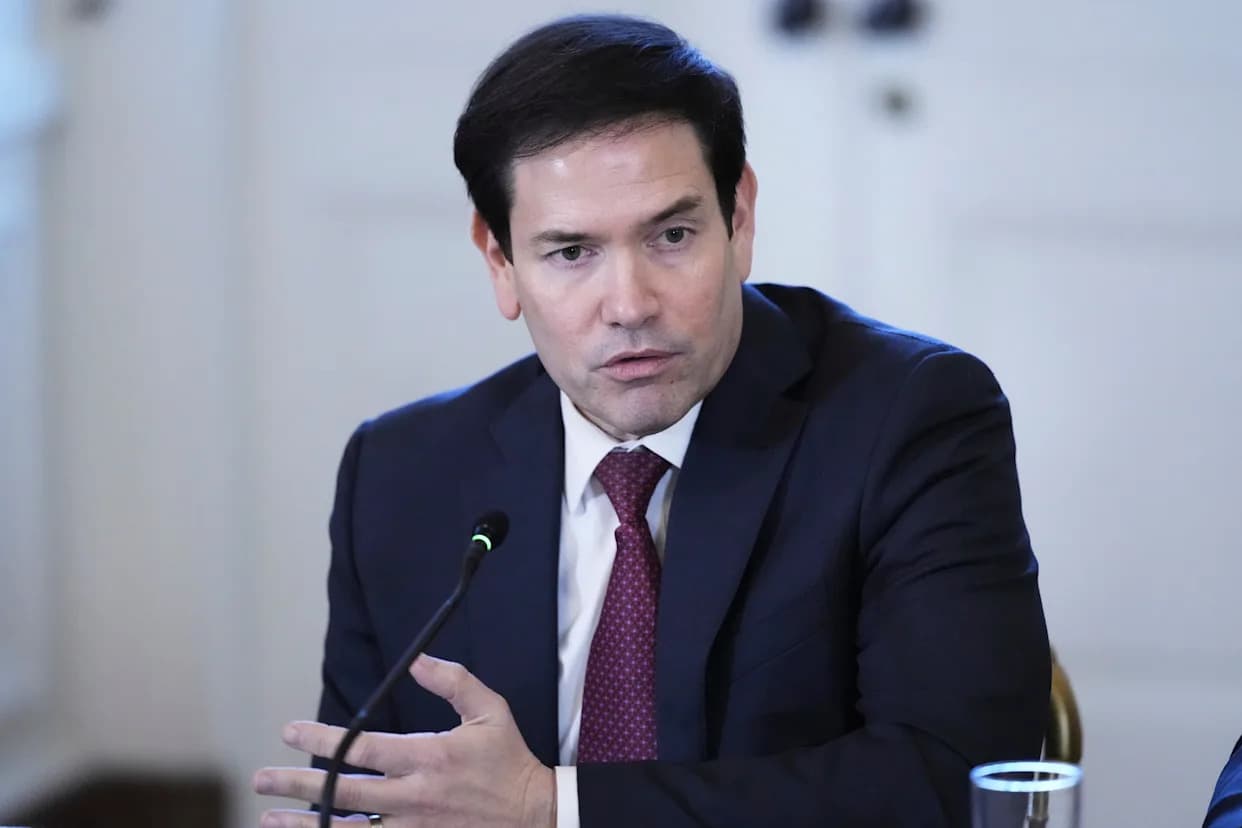
The Justice Department told a federal court that Homeland Security Secretary Kristi Noem personally directed the March deportation of 100 Venezuelan men to a prison in El Salvador, despite a U.S. district judge’s order to keep the men in U.S. custody. The men were expelled after the administration invoked the Alien Enemies Act and labeled them members of a transnational gang.
What DOJ disclosed
In a filing responding to U.S. District Judge James Boasberg’s request for names, DOJ identified Secretary Noem as the official who authorized the transfers after receiving legal advice from senior Justice Department and Department of Homeland Security lawyers. DOJ said that advice concluded the judge’s oral direction to turn the deportation flights around had no legal force and that a subsequent written order was ineffective once the flights had left U.S. airspace.
“After receiving that legal advice, Secretary Noem directed that the AEA detainees who had been removed from the United States before the Court’s order could be transferred to the custody of El Salvador,” wrote Justice Department attorney Tiberius Davis. “That decision was lawful and was consistent with a reasonable interpretation of the Court’s order.”
Legal conflict and fallout
Judge Boasberg has already found that officials likely engaged in criminal contempt for how the episode was handled and has pressed to resume contempt proceedings. An appeals court recently lifted a months-long stay, and Boasberg has signaled he intends to investigate the events of March 15, potentially compelling testimony from senior officials.
Lawyers for the deported men asked the court to require sworn testimony from nine current and former officials. Among those named were Emil Bove, who DOJ said provided legal advice and who has since been appointed to a federal appeals court, and Erez Reuveni, who was fired in April and has alleged that Bove urged DOJ attorneys to defy any court order; Bove has denied that accusation.
The DOJ filing does not say whether President Donald Trump or other White House officials were consulted or involved in the decision to proceed with the deportations.
Aftermath
The men remained detained in El Salvador under reportedly harsh conditions for months until a U.S.-brokered prisoner swap returned them to Venezuela. The Supreme Court later ruled 6-3 that Judge Boasberg lacked jurisdiction to hear the emergency case the men filed in March, though the Justices also blocked further removals under the Alien Enemies Act. Boasberg says precedent allows him to continue contempt proceedings even if the initial order is later found flawed.
In its filing, DOJ urged that contempt proceedings are unnecessary and asked the judge not to hold a hearing that would summon live testimony from administration officials. Boasberg has indicated he intends to probe the full chain of decisions that led to the transfers.
Help us improve.