The article reports that 55-year-old dry-fruit seller Bilal Ahmed Wani set himself on fire and later died after family members were briefly detained during the probe into the Nov. 10 New Delhi blast that killed at least 10 and injured 32. Authorities have carried out sweeping raids, detained hundreds, and intensified scrutiny of professionals, including several doctors linked by investigators to the attack. A separate Nov. 14 explosion at a Srinagar police station killed at least nine after seized explosives detonated; officials suggested mishandling rather than sabotage. Analysts warn that heavy-handed measures since 2019 and the current crackdown risk deepening resentment and could fuel further unrest.
Kashmir Crackdown Deepens After New Delhi Bombing; Shopkeeper's Self-Immolation Highlights Rising Tensions

Hours after police in Indian-administered Kashmir released 55-year-old dry-fruit seller Bilal Ahmed Wani while continuing to hold his eldest son in the investigation into the Nov. 10 New Delhi blast, Wani set himself on fire, relatives said. He was treated at three hospitals and died the following day; family members, speaking anonymously because they feared reprisals, said shame and pressure from the detentions drove him to self-immolate. Police described his death as the result of "self-inflicted burn injuries."
Investigation and sweeping detentions
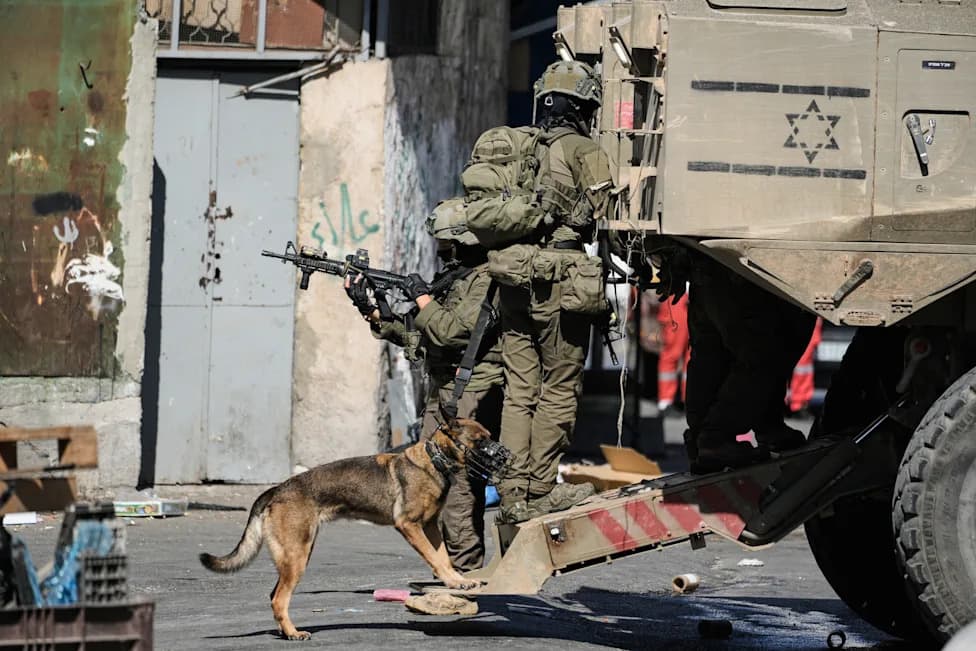
The Nov. 10 explosion near New Delhi’s historic Red Fort killed at least 10 people and injured 32. Investigators quickly focused on links to Kashmir, launching large-scale raids, detaining hundreds of people and questioning thousands for possible ties to what authorities described as a "heinous terror incident." Officials said initial arrests included at least seven people and that a vehicle used in the attack was registered to a Kashmiri man.
Police-station blast and explosives mishap
Police reported that explosives seized in Faridabad, near the capital, were moved to a station in Srinagar and that some of the material detonated on Nov. 14, killing at least nine people. Srinagar's top police officer, Nalin Prabhat, said investigators were examining the cause but discounted deliberate sabotage, indicating the blast may have been caused by mishandling of the explosives.
Families, medical community and allegations
The probe has placed unusual scrutiny on several professionals, including doctors. Authorities have alleged the suspected attacker was a doctor identified as Umar Un Nabi and said security forces demolished his family home in Pulwama district — a tactic previously used against those accused of aiding militants. The National Investigation Agency has accused Wani's detained son of providing technical assistance to the suspected attacker; the son remains in custody.
Doctors and other professionals in Kashmir described the inquiries into their personal backgrounds, networks and beliefs as unprecedented and intrusive. Several medical practitioners, speaking anonymously, said the scrutiny has provoked deep anxiety across the health community.
"The module reportedly involved educated people and reflects long-simmering anger," said Avinash Mohananey, a former Indian intelligence officer who served in the region. He added that many Kashmiris feel disempowered and humiliated because their political aspirations remain unmet.
Political context and analysts' concerns
Militancy in the Indian-administered portion of Kashmir dates to 1989. India calls the insurgency Pakistan-sponsored terrorism; Pakistan denies that, and many Kashmiris view the conflict as a struggle for self-determination. Both nations administer parts of the region while claiming it in full.
Analysts say the political changes since New Delhi revoked Kashmir's special autonomous status in 2019 — and the tighter controls that followed — have deepened feelings of disenfranchisement. Praveen Donthi, a senior analyst, warned that a heavy-handed response after the New Delhi blast risks increasing alienation and could fuel further unrest rather than calming tensions.
The developments underscore a fraught moment in a long-running conflict: a terrorism investigation that has prompted broad security measures, a tragic act of self-harm linked by family members to those measures, and renewed debate over whether current policies are likely to stabilize or inflame the region.
Help us improve.