Build American AI, the advocacy arm of the pro‑AI super PAC Leading the Future, announced a $10 million "omnichannel" campaign urging Congress to adopt a single, national approach to regulating artificial intelligence. The effort encompasses digital, social and television ads and large-scale grassroots outreach to lawmakers' offices.
The first commercial emphasizes geopolitical competition and U.S. leadership:
"Want to know the biggest AI risk? Losing the arms race with China. Because if you’re worried about AI being used to replace American workers, manipulate our children and steal American intellectual property then you probably wouldn’t want a country that violates each one of these principles to dictate the future of AI."
"If you want America to win on innovation, creating jobs for American workers and protecting our families, communities and values, Congress must pass federal AI legislation now, so America can win."
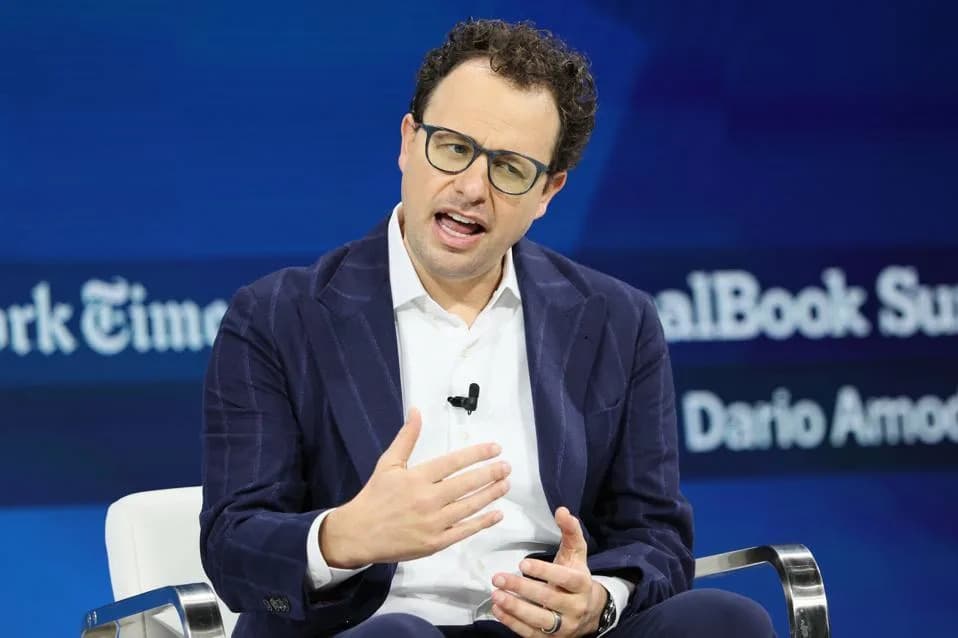
Beyond paid media, Build American AI said it was organizing thousands of calls to lawmakers’ offices — expecting more than 10,000 in a single day. Nathan Leamer, the group's executive director, said the outreach reflects what he described as "broad public demand" for congressional action.
Political fight over state preemption
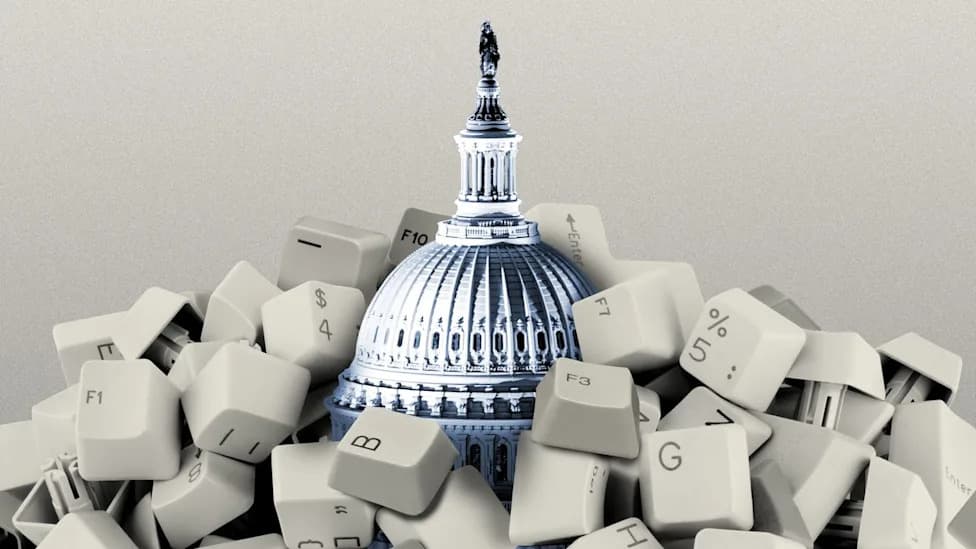
The campaign arrives amid a push by House GOP leaders to include language in the annual defense authorization bill (the NDAA) that would limit states' ability to set their own AI rules and replace a patchwork of state laws with a federal standard.
That preemption effort has drawn criticism from federal and state lawmakers across the political spectrum, who argue states should retain the authority to experiment with AI rules—particularly while comprehensive federal legislation is still being developed. Supporters of preemption say a unified national framework is needed to protect innovation, national security and a consistent market for technology companies.
President Trump has supported restricting state-level AI rules: reports say he considered a draft executive order to create a task force to challenge state AI laws and to withhold broadband funding from states with what the draft described as "onerous" regulations. Lawmakers reportedly asked the White House to delay issuing the order to allow Congress time to try to include preemption language in the defense bill instead.
The debate highlights a broader policy choice: whether the United States should adopt a single federal approach to AI oversight to promote uniformity and competitiveness, or preserve state-level experimentation and local control while federal legislation remains unfinished.