Key points: A federal security officer publicly linked to unexploded Jan. 6-era pipe bombs was cleared after providing video showing she was home with her puppies when the devices were placed. An unfinished ODNI memo — reportedly prepared after a tip from an outside source — circulated among agency and administration staff and was mirrored by a conservative outlet's reporting that named her. ODNI says it documented the allegation and reported it to the appropriate agency; ODNI leadership did not approve the draft. The FBI continues to investigate; no arrests have been made and the devices did not detonate.
Security Officer Cleared in Jan. 6 Pipe-Bomb Inquiry After Video Alibi; Draft ODNI Memo Fueled False Link

A federal security officer who was publicly linked to unexploded pipe bombs placed near political party offices around Jan. 6 has been cleared as a suspect after providing a video alibi, sources say. The footage showed the woman at home playing with her puppies at the time the devices were placed; after reviewing that evidence the FBI has ruled her out of the investigation. Her name had circulated widely on social media and appeared in reporting by a conservative outlet before investigators excluded her.
According to multiple sources, the document that first connected the officer to the 2021 incident was an unfinished memo prepared on the Office of the Director of National Intelligence (ODNI) letterhead. The draft described allegations that the woman had placed explosive devices outside both Democratic and Republican party offices. ODNI officials say the memo was created after the agency received a tip from an outside source affiliated with a media organization and that the agency documented the allegation to notify the appropriate employing agency.
Sources identified the draft's author as Paul McNamara, who leads the Director's Initiatives Group within ODNI. That draft was reportedly shared with senior staff at the officer's workplace and circulated among a small group of administration officials, creating expectations among some that the nearly five-year-old case might be solved. Several people familiar with the situation say that the memo surprised officials at the FBI, the Justice Department and the White House, who had not been expecting the disclosure.
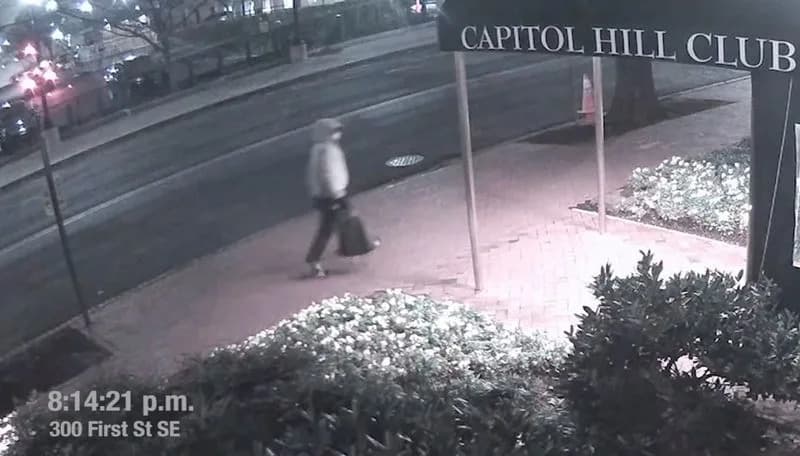
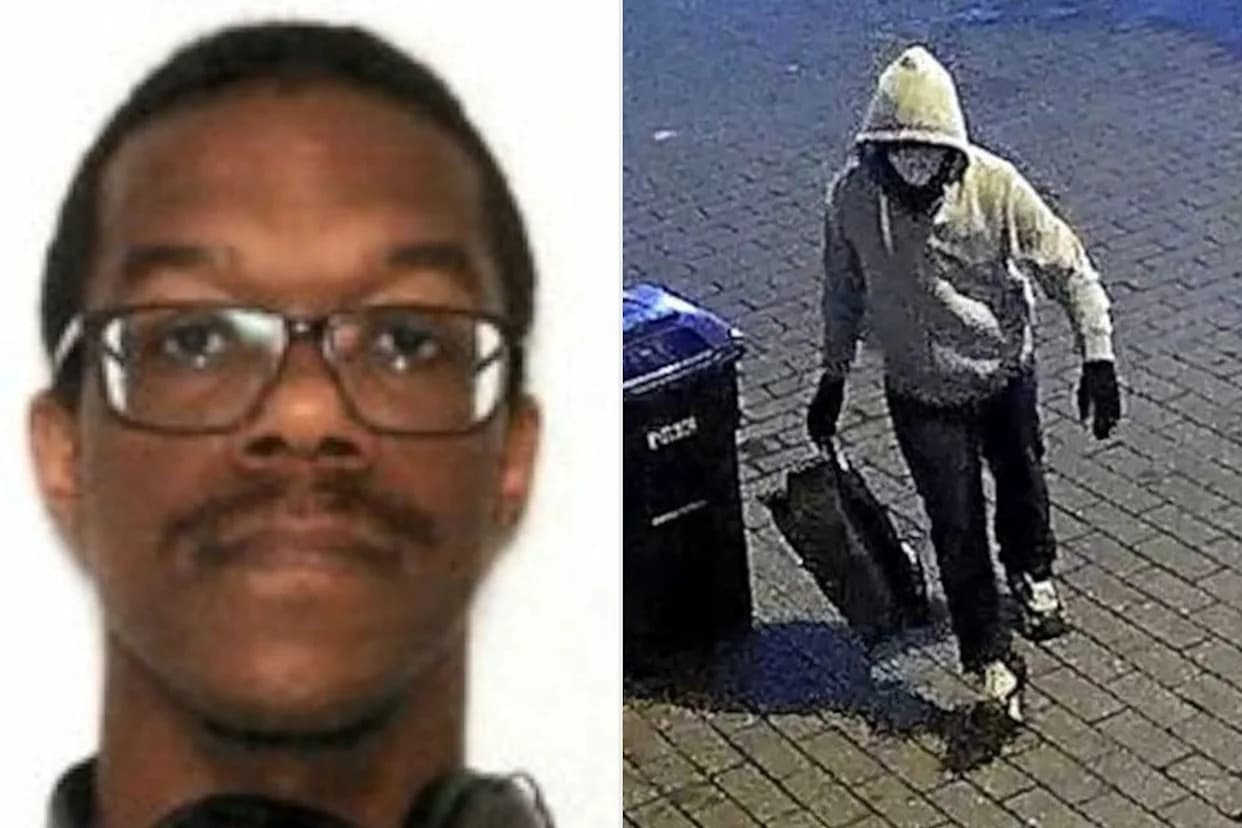
Shortly after the draft began circulating, a conservative news outlet published an article naming the woman and reporting its own review of video evidence — including the use of so-called gait-analysis software — that it said matched the walking pattern of the woman to the person seen in surveillance footage near the devices placed on Jan. 5, 2021. The outlet later issued a correction but the story remains online.
Sources also told investigators that the draft memo included sensitive personal details about the officer, which were obtained from confidential files. ODNI officials have said the draft was not reviewed or approved by agency leadership, and the director has since said she was not aware the information had spread while she was traveling abroad. An ODNI spokesperson emphasized that the agency followed its obligation to report a tip and that actions were taken in consultation with legal counsel.
Those developments have prompted concern among some senior officials that ODNI staff may have exceeded the agency’s traditional foreign-intelligence role by engaging in activities that overlapped with domestic investigative authorities led by the FBI. Earlier reporting by multiple outlets has raised related questions about ODNI access to investigative files in other high-profile matters this year.
The security officer cooperated with investigators, was placed on a brief leave, and then returned to work. Her attorney has publicly stated she did nothing wrong. The FBI says it continues to pursue leads in the pipe-bomb case; nearly five years after the devices were left near party offices, no one has been arrested or charged. Authorities have said the devices were viable but did not detonate.
What this episode shows:
- The potential for premature leaks and draft documents to cause reputational harm before investigations are complete.
- How third-party tips and third-party analyses (such as gait comparison) can move quickly from an initial lead to public accusation.
- The continuing role of the FBI as lead domestic investigator in matters involving potential criminal conduct in the U.S.
Help us improve.