The Senate Homeland Security Committee report says the FBI investigated Texas Catholic teacher Christine Crowder for about 23 months after an anonymous tip tied her to the Jan. 6, 2021, Capitol riot. Committee materials allege the bureau conducted physical surveillance, placed her on a travel watchlist and obtained a Facebook warrant, but closed the case in June 2023 when it could not confirm she entered the Capitol. Republicans link the probe to concerns about the Quiet Skies program and internal FBI memos targeting traditionalist Catholic sites and call for stronger oversight of watchlist and travel surveillance tools.
Senate Report: FBI Tracked Texas Catholic Teacher Nearly Two Years After Unverified Jan. 6 Tip
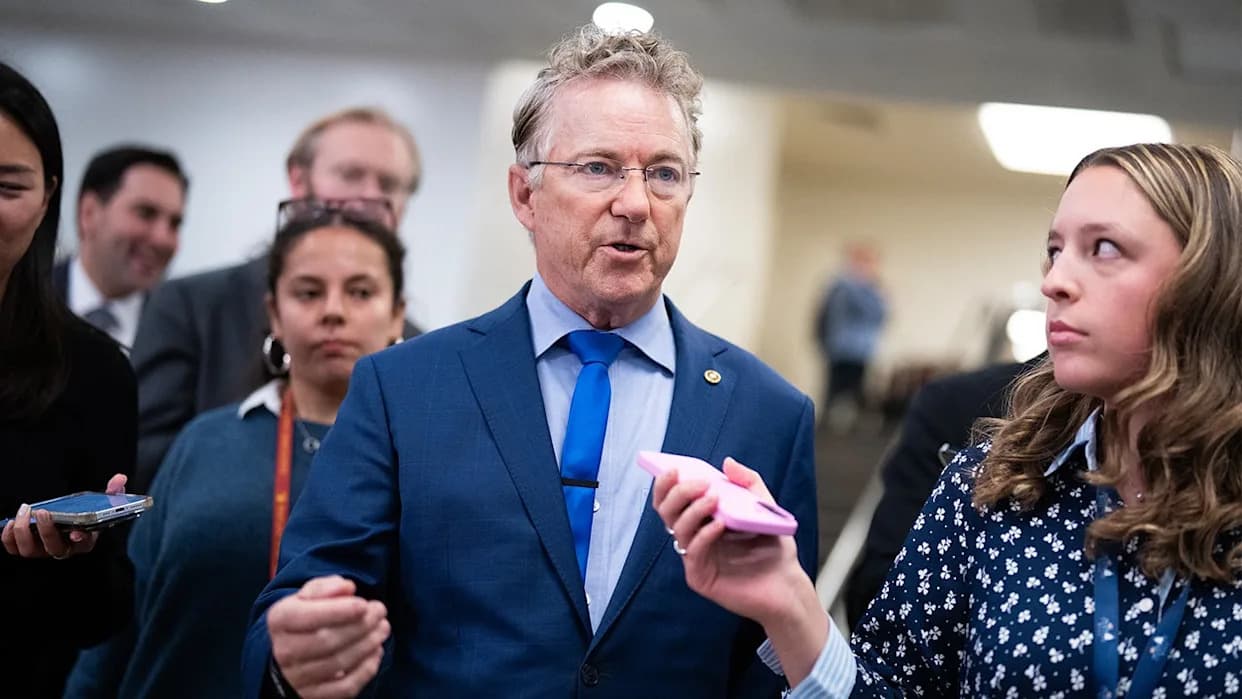
Rand Paul: Biden FBI tracked Catholic teacher with no Jan 6 ties in 'weaponized' probe
A new report from the Senate Homeland Security and Governmental Affairs Committee says the FBI investigated a Texas Catholic school teacher, Christine Crowder, for roughly 23 months after an anonymous tip purportedly linked her to the Jan. 6, 2021, Capitol riot. The committee says the probe included physical surveillance, placement on a travel watchlist and a warrant for social‑media records, yet the bureau ultimately closed the case in June 2023, concluding it could not place Crowder inside the Capitol.
How The Investigation Unfolded
According to the committee's timeline, the investigation began in January 2021 when an anonymous tipster claimed to recognize Crowder in news footage from Jan. 6. The bureau initially reported negative matches for both facial recognition and geolocation checks, but the inquiry was expanded.
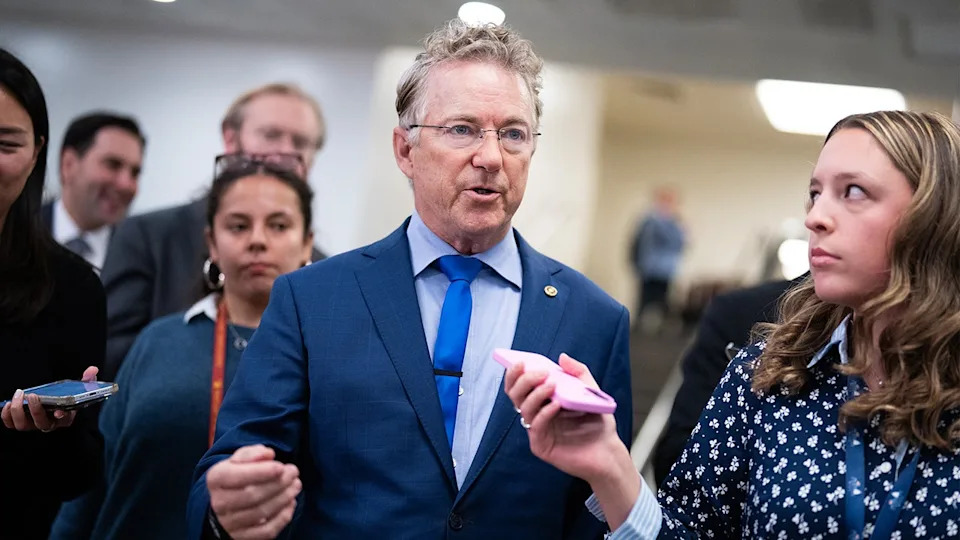
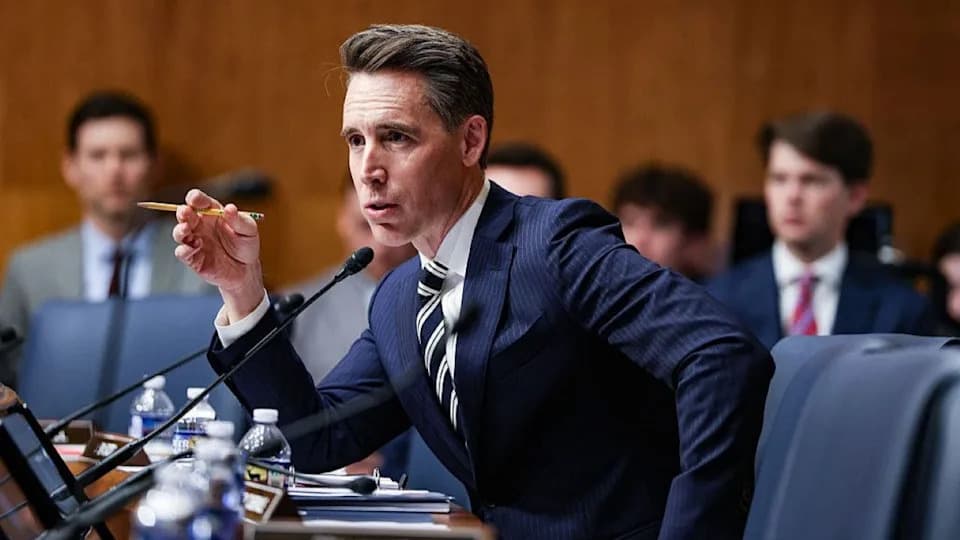
Sen. Rand Paul, R-Ky., talks with reporters in the U.S. Capitol in Washington, Nov. 5, 2025.
Over the next nearly two years, the committee says the FBI conducted physical surveillance of Crowder's home, placed her on a travel watchlist, obtained a warrant to review her Facebook account and at one point prepared materials for a potential prosecution. The bureau closed the file in June 2023 after determining it had no evidence that Crowder definitively entered the Capitol. In its closing finding the FBI wrote that "at the time Crowder was supposedly exiting the Capitol, she was elsewhere in D.C."
Broader Context And Committee Concerns
The Crowder case is presented by committee Republicans as part of a broader review of whether federal agencies used watchlists and other tools for politically motivated surveillance. The report links the investigation to the so‑called Quiet Skies program and to internal FBI memoranda that singled out traditionalist Catholic places of worship in Richmond for potential radicalization concerns. The committee says that particular memo was later rescinded after a whistleblower made it public.
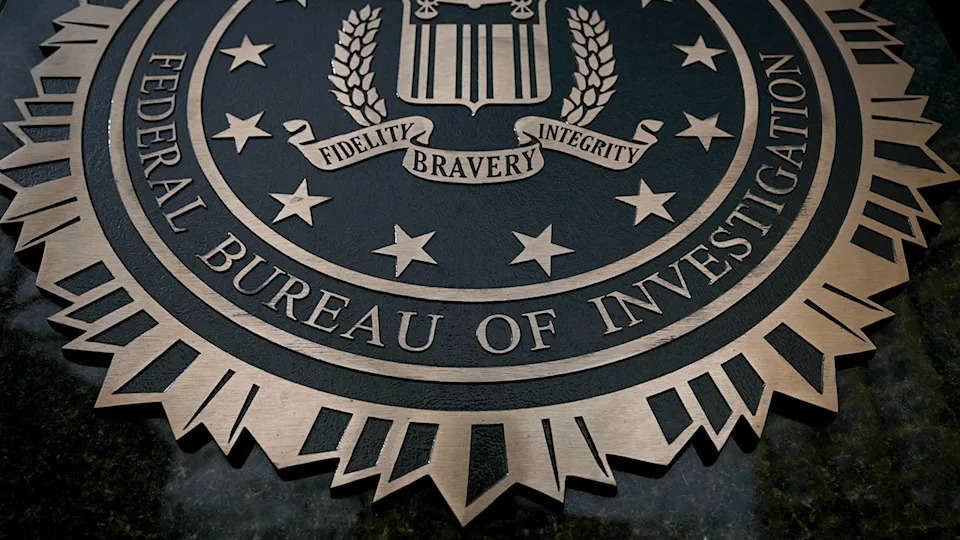
The seal of the Federal Bureau of Investigation (FBI) on the J. Edgar Hoover FBI building in Washington, March 10, 2025.
Committee materials also refer to prior findings that the TSA placed travel surveillance flags on several flights taken by Tulsi Gabbard after a trip to Vatican City; the committee reported those surveillance flags were placed in 2024 and that Gabbard told lawmakers she believes the monitoring began after she criticized President Biden. The Department of Homeland Security is cited in the report as estimating the Quiet Skies program cost about $200 million per year.
"A free society cannot tolerate a system in which programs and authorities intended to keep the public safe are instead weaponized against them due to mere suspicion," said Sen. Rand Paul (R‑Ky.), who chairs the committee, summarizing Republican concerns about civil‑liberties implications.
The committee released statements from various Republican officials and allies criticizing the probe as an overreach. A statement provided to the committee by Kash Patel described the case as a misallocation of law‑enforcement resources. The committee also said it welcomes the reported termination of the Quiet Skies program and urged reforms to limit unaccountable uses of travel and watchlist surveillance.
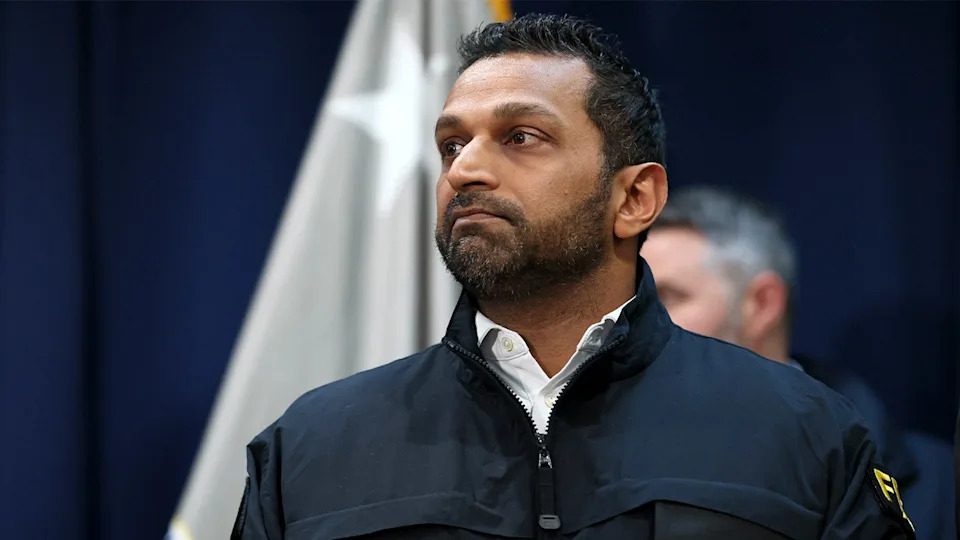
FBI Director Kash Patel stands silently during a press conference on Oct. 23, 2025, in New York City.
What The Report Does — And Does Not — Show
The report documents the bureau's investigative steps and the committee's view that those steps reflect problematic profiling and mission drift. It does not, however, present independent proof that federal agencies engaged in politically motivated surveillance beyond the evidence compiled and interpreted by committee staff. Many of the report's criticisms are framed as allegations or Republican findings based on materials produced to the committee.
The committee's findings are likely to fuel ongoing debates in Congress over oversight of counterterrorism tools, the use of watchlists and the safeguards needed to protect religious and political freedoms while addressing genuine security threats.
Help us improve.