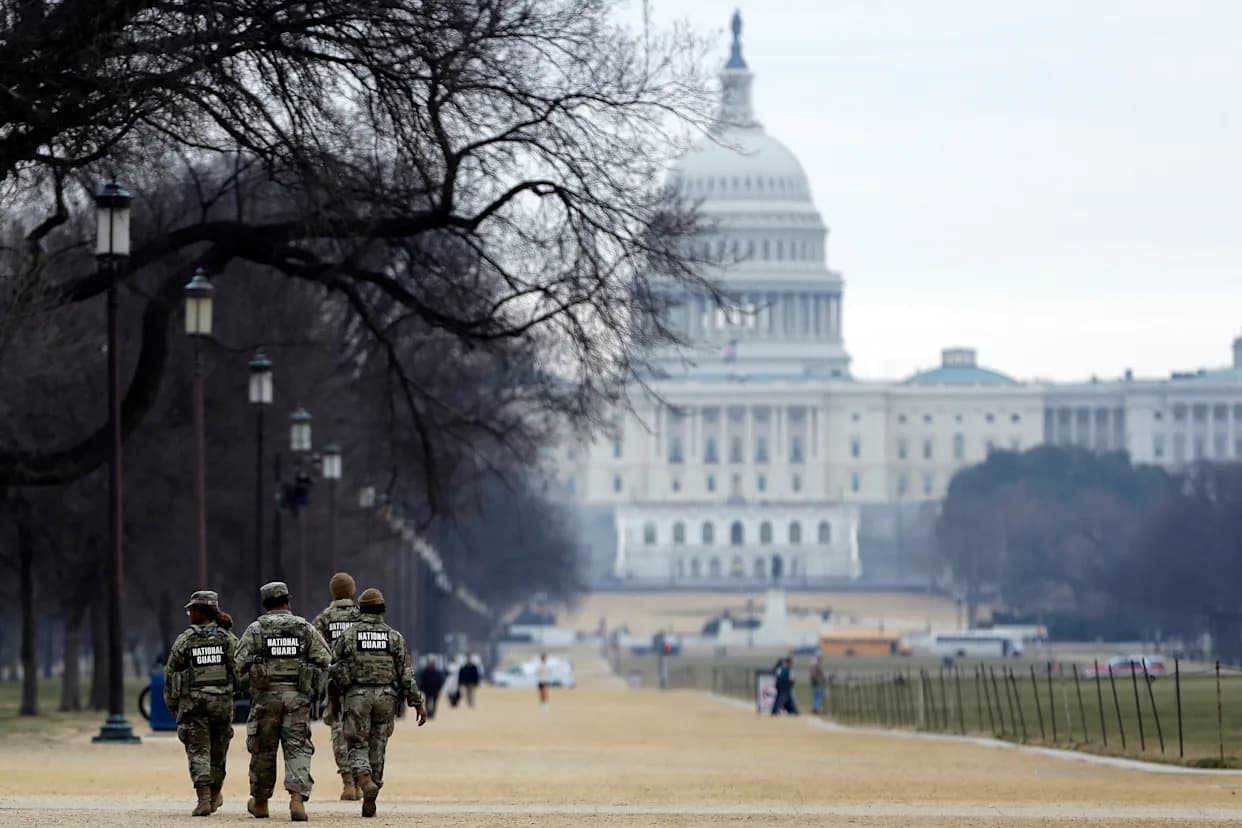
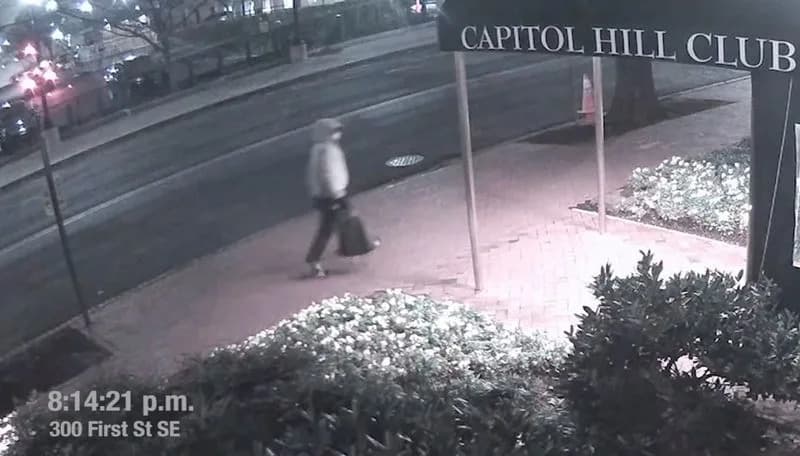
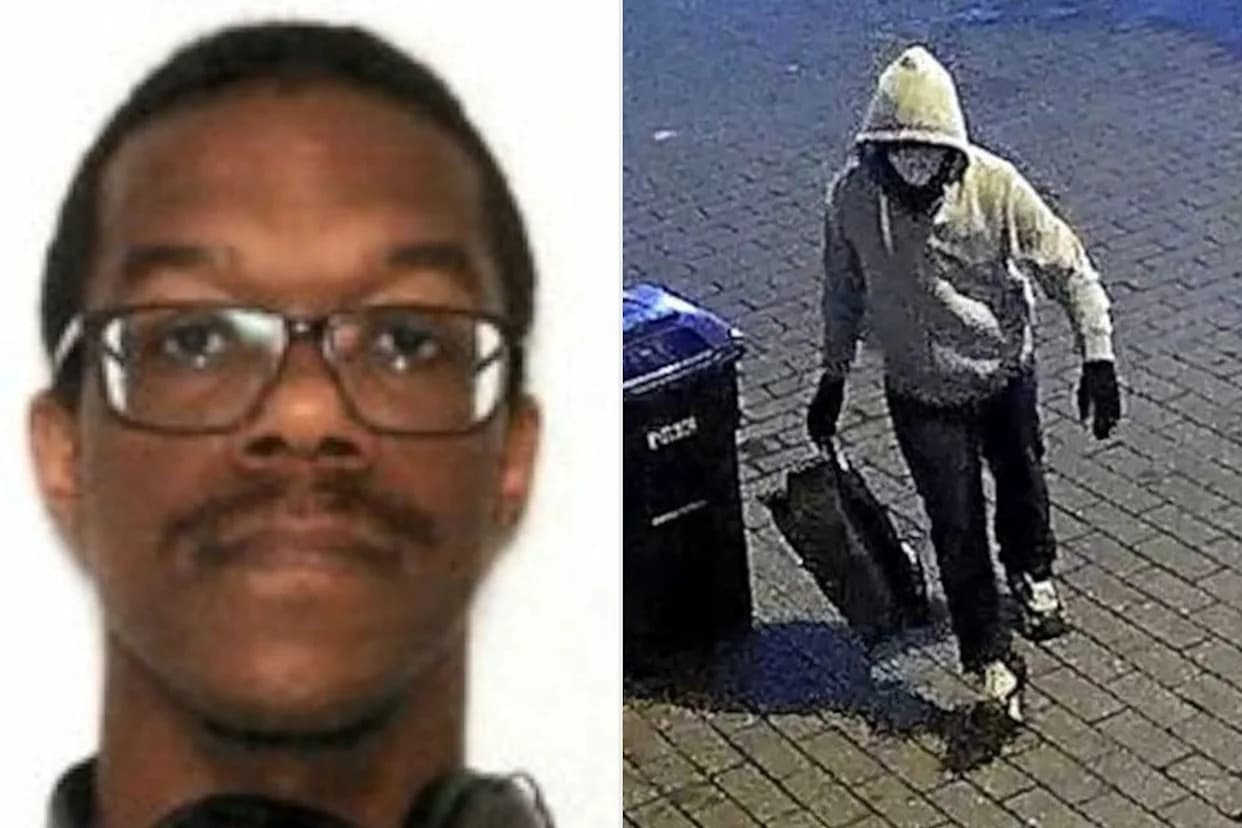
The House GOP’s new Jan. 6 select committee held its first hearing, officially focused on the FBI’s pipe-bomb investigation and the recent arrest of Brian Cole Jr. The session quickly turned partisan as Republicans raised alternative theories about the riot while Democrats warned against revisionist narratives. Lawmakers probed investigative lapses, the impact of pardons for many rioters, and enduring legal uncertainties.
House GOP Reopens Jan. 6 Inquiry: New Panel Questions FBI Probe, Sparks Partisan Clash

FILE - Rioters loyal to President Donald Trump rally at the U.S. Capitol in Washington on Jan. 6, 2021. (AP Photo/Jose Luis Magana, File)(ASSOCIATED PRESS)
One week after the nation marked the fifth anniversary of the Jan. 6, 2021, attack on the U.S. Capitol, House Republicans launched a new Select Committee to reexamine the events of that day. The committee's first hearing, billed as an inquiry into the FBI’s long-running investigation of pipe bombs found outside both party headquarters, quickly unfolded into a heated partisan showdown.
Hearing Overview
Republicans framed the session as an effort to probe why the pipe-bomb inquiry took roughly five years to produce an arrest — last month’s arrest of Brian Cole Jr. of Virginia — and whether investigative leads were missed on Jan. 6. Committee chairman Rep. Barry Loudermilk (R-Ga.) said the objective was to “get to the truth.”
Partisan Clash And Competing Narratives
The hearing devolved into a confrontation between lawmakers promoting divergent explanations of the riot. Some Republican members advanced alternative theories that suggest certain agitators or militia members were entrapped or manipulated into escalating violence. The session drew criticism for what Democrats described as a revisionist effort to rewrite the record; Rep. Jamie Raskin (D-Md.), the panel's top Democrat, warned against tolerating “a pack of lies” and conspiracy-minded narratives.
The U.S. Capitol is seen at sunset, Monday, Jan. 12, 2026, in Washington. (AP Photo/Julia Demaree Nikhinson)(ASSOCIATED PRESS)
Rep. Jamie Raskin: “The truth is a resilient thing. We’re not going to put up with a pack of lies in this subcommittee and a bunch of conspiracy theories.”
Notable Moments
Stewart Rhodes, founder of the Oath Keepers and convicted of seditious conspiracy for his role in the siege, sat in the hearing room. Rep. Troy Nehls (R-Texas), who was seen near the barricaded House doors on Jan. 6, denounced the original Jan. 6 committee as a “total sham.” Democrats pushed back strongly, with Rep. Jasmine Crockett (D-Texas) expressing visible frustration at the proliferation of conspiracy claims.
Pipe Bomb Investigation
Lawmakers examined why the FBI’s pipe-bomb case took years to break and why bomb-detection efforts that day did not find the devices. Witnesses and former investigators, including John Nantz, a former FBI special agent, criticized priorities and resource allocation during the Biden-era FBI under then-Director Christopher Wray. Republicans questioned whether some leads were overlooked; prosecutors and experts testified about ongoing uncertainties.
Pardons And Legal Questions
The panel also discussed President Trump’s pardons for many who were charged or convicted in the Jan. 6 riot. Experts described the pardons as “ill-advised,” and noted that some pardoned individuals remain defiant about their conduct. When asked whether a presidential pardon would cover the pipe-bomb suspect if convicted, a former Justice Department prosecutor said the answer wasn’t clearly yes or no.
What Comes Next
The hearing underscored how Jan. 6 remains a deeply contentious national issue: Republicans say they are reopening unanswered questions about investigative failures and possible entrapment, while Democrats insist the facts established by the earlier bipartisan inquiry — which concluded that former President Donald Trump played a central role in inciting the violence — should not be erased. The committee’s future hearings will likely continue to reflect the partisan divide while probing unresolved legal and investigative questions tied to Jan. 6.
Help us improve.