Key points: A court in Antioquia sentenced Santiago Uribe to 28 years and three months for leading The 12 Apostles, a paramilitary group alleged to have carried out "social cleansing" from the La Carolina ranch in the early 1990s. The ruling, contained in a 307-page decision, links Uribe to the 1994 murder of Camilo Barrientos and identifies collusion with state agents. The conviction overturns a November 2024 acquittal and will be reviewed by Colombia's Supreme Court; Uribe denies the charges and will appeal.
Santiago Uribe Sentenced to 28 Years for Leading Paramilitary '12 Apostles'; Case Heads to Supreme Court

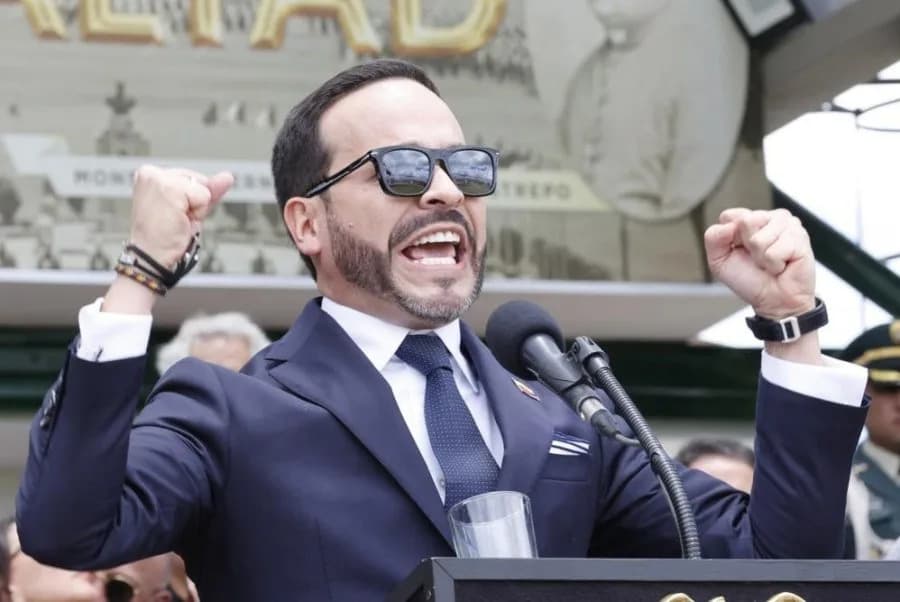
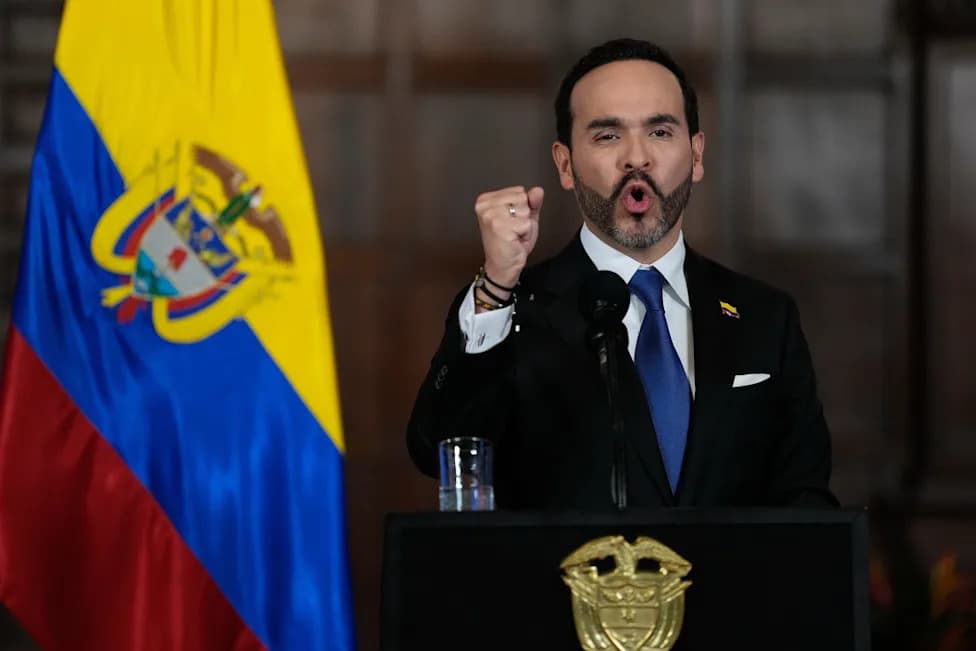
A court in Antioquia on Tuesday sentenced Santiago Uribe—brother of former Colombian president Álvaro Uribe—to 28 years and three months in prison after finding him guilty of aggravated homicide and conspiracy for leading an illegal armed group in the early 1990s.
A three-judge panel concluded in a 307-page ruling that Uribe "formed and led an illegal armed group" known as The 12 Apostles. The judges said the group operated from the Uribe family’s La Carolina cattle ranch and carried out a campaign of "social cleansing," targeting and killing people the group considered "undesirable," including sex workers, people who use drugs, people with mental health conditions and those suspected of sympathising with leftist organisations.
The court described The 12 Apostles as a far-right "death squad," finding that the ranch was used not only for meetings but also for training and weapons distribution. The judges determined these actions amounted to crimes against humanity and held Santiago Uribe responsible for ordering the 1994 killing of bus driver Camilo Barrientos, who was shot near La Carolina after being suspected of collaborating with rebels.
Collusion Allegations and Legal History
Judges also highlighted what they described as collusion between the militia and state security forces, saying the group "enjoyed the cooperation, through action and inaction, of agents of the State." The conviction overturns a lower court acquittal issued in November 2024 and sends the case to Colombia’s Supreme Court for final review.
Authorities first investigated Santiago Uribe in the late 1990s; the probe was dropped in 1999 for lack of evidence. Inquiries resumed in 2010 and Uribe was detained in 2016 on homicide charges. His trial concluded in 2020, but legal proceedings stretched on for years before the recent verdict.
Reactions and Wider Context
Human rights organisations welcomed the ruling as an important step toward accountability for abuses tied to paramilitary organisations. "The sentence is extremely important," said Laura Bonilla, deputy director at Colombia’s Peace and Reconciliation Foundation (Pares). "It shows the level of penetration that paramilitarism had in Colombian society."
"Paramilitarism was deeply rooted in the upper echelons of society, and therefore clarifying what happened takes years," said Gerson Arias, a conflict and security investigator at the Ideas for Peace Foundation.
Santiago Uribe has consistently denied ties to paramilitary groups. His defence team said it will appeal the verdict. The case will now be examined by Colombia’s Supreme Court, which will issue the final decision.
The conviction also deepens scrutiny of the Uribe family more broadly. Earlier this year, former president Álvaro Uribe—who led Colombia from 2002 to 2010—was found guilty in a separate case of bribing former paramilitary members to withhold testimony linking him to paramilitary groups; that conviction was later overturned after a court ruled evidence had been obtained via an unlawful wiretap and identified deficiencies in the prosecution’s case.
Despite legal setbacks, Álvaro Uribe remains an influential figure in right-wing politics in Colombia and has indicated plans to help build a coalition to challenge the incoming left-leaning government ahead of the 2026 elections. Reacting to his brother’s sentence on social media platform X, the former president wrote: "I feel deep pain over the sentence against my brother. May God help him."
As the Supreme Court considers the appeal, the ruling is likely to intensify national debate over paramilitarism’s legacy, state responsibility and the pace of justice for crimes committed during decades of internal conflict.
Help us improve.