DACA recipients have been detained this year as federal immigration enforcement intensifies and officials increase scrutiny of social media and activism. About 20 DACA beneficiaries have been arrested or detained since January, according to advocacy groups, and DHS says DACA does not grant permanent legal status and can be revoked for crimes or security concerns. Several detainees and their lawyers say they were not given notice or a chance to contest termination of their protections. Legal challenges and recent state and federal actions have narrowed DACA recipients' access to work permits, licenses and benefits.
DACA Recipients Detained as Administration Tightens Immigration Enforcement

Yaakub Vijandre was preparing for his shift as a mechanic in the Dallas suburbs when six vehicles surrounded his home and federal agents took him into custody. Vijandre, a Deferred Action for Childhood Arrivals (DACA) recipient, freelance videographer and pro-Palestinian activist, says the arrest was linked to social media posts; the Department of Homeland Security (DHS) contends some posts "glorified terrorism." His case is one of roughly 20 detentions of DACA recipients reported since January, signaling a tougher enforcement posture toward Dreamers.
What happened
According to his attorneys, Vijandre received notice that the government intended to terminate his DACA protections about two weeks before his October arrest. Attorneys say he was not given an opportunity to contest the decision before agents detained him; DHS says the agency acted because of conduct that could justify revocation of protections.
A shift in enforcement
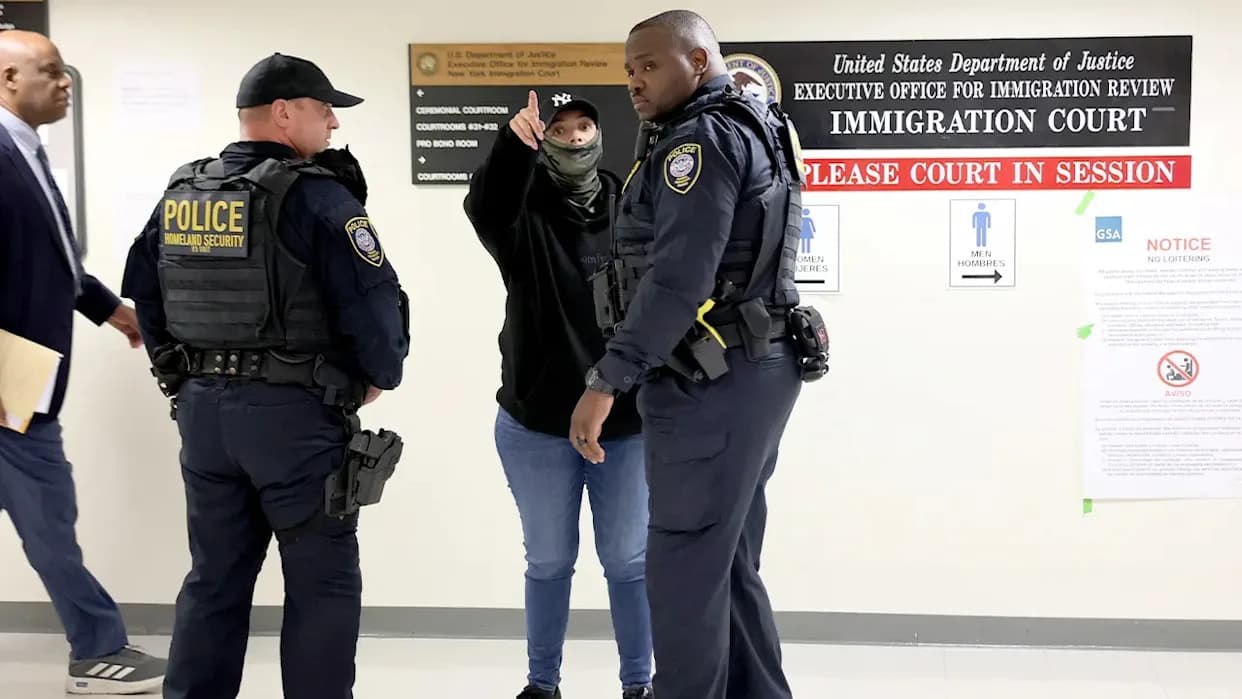
Advocates and attorneys see these arrests as part of a broader change in how immigration authorities treat DACA recipients. Officials have increased vetting of immigrants' social media and intensified screening when applicants seek visas, green cards, citizenship, or the release of children from federal custody. Federal authorities have also pursued deportation actions against foreign students and others involved in pro-Palestinian activism.
Legal context and recent restrictions
DACA — commonly known as the program protecting "Dreamers" — offers deferred action from deportation and authorization to work in the United States, with recipients required to renew protections every two years. The program survived an earlier attempt to end it when the Supreme Court found procedural flaws in the administration's 2020 effort to rescind it. Still, recent court and administrative actions have narrowed DACA benefits: a 5th U.S. Circuit Court of Appeals decision could limit work permits for recipients in Texas, changes to commercial driver’s license rules have excluded some DACA beneficiaries, and several states have restricted access to health coverage and in-state tuition.
Individual cases and legal challenges
Several detained recipients dispute the government's basis for arrest. Catalina “Xóchitl” Santiago Santiago, an El Paso activist, was arrested in August despite presenting a valid DACA work permit. Weeks later, federal agents detained Paulo Cesar Gamez Lira as he returned home with his children; his attorneys say an agent dislocated his shoulder. Both were held for more than a month while lawyers sought release, and their counsel say the government provided no advance notice of intent to terminate their DACA protections.
"DACA recipients have a constitutionally protected interest in their continued liberty," said attorney Marisa Ong. "The government cannot take away that liberty without providing some valid reason."
DHS officials note that DACA does not confer permanent legal status and can be revoked for crimes (felonies, certain significant misdemeanors, or repeated misdemeanors) or if an individual is deemed a threat to national security or public safety. DHS also described prior arrests or charges for some detainees; defense attorneys counter that the government presented little or no evidence when seeking detention.
What recipients face now
Advocates say the administration is not necessarily trying to end DACA outright but is steadily eroding protections and access to benefits. Termination of DACA status can lead to deportation to a country some recipients have not seen since childhood, as in Vijandre's case, where revocation could result in deportation to the Philippines.
Outlook
Ongoing litigation and federal rulemaking will shape how these enforcement actions proceed. Recipients, advocates and legal advocates are preparing to challenge detentions and terminations in court, arguing that recipients must receive notice and a meaningful opportunity to contest decisions affecting their liberty and legal work authorization.
Help us improve.