The article describes severe winter rains in Deir al-Balah, Gaza, where flooding has damaged at least 13,000 tents and soaked the few possessions of displaced families. Residents fault both Israeli restrictions and local authorities for slow relief efforts, while the U.N. warns deliveries remain constrained despite recent distributions of tents, tarpaulins and blankets. Damaged shelters, overflowing cesspits and flooded roads have increased health risks and complicated humanitarian assistance.
Winter Rains Devastate Gaza Displacement Camps, Flooding Tents and Belongings

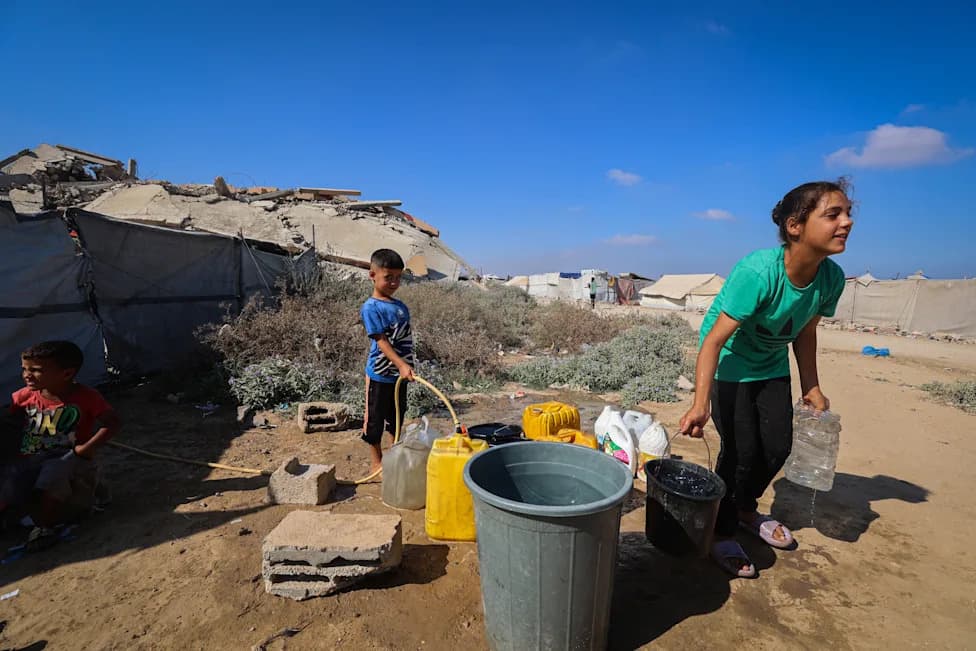
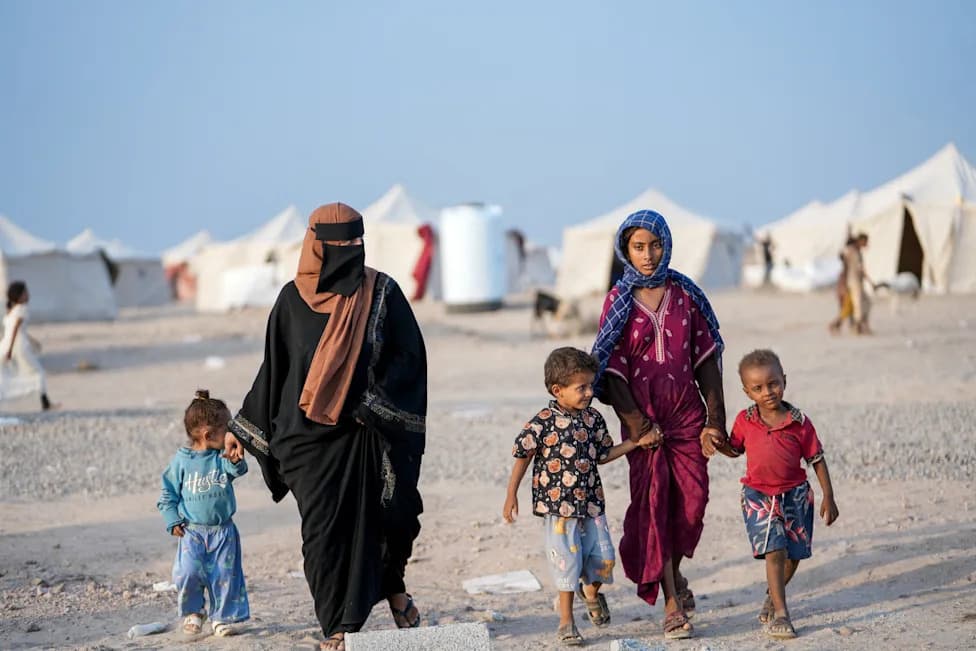
DEIR AL-BALAH, Gaza Strip — Heavy winter storms swept through Deir al-Balah on Tuesday, forcing children and families to scoop muddy water from inside their tents as they tried to protect the few possessions left after two years of war.
Many displaced residents are wading through ankle-deep water around makeshift shelters and blaming both Israeli restrictions and failures of local authorities for the worsening humanitarian conditions despite a ceasefire.
“All tents were destroyed,”
said Assmaa Fayad, whose central Gaza shelter was damaged in the latest downpour. She asked, “Where is Hamas? Where are the people to see this rain and how our children are drowning?”
Hamas spokesman Hazem Qassem criticized international relief efforts on Telegram, saying attempts to alleviate the disaster had been undermined by what he described as an Israeli siege that prevented adequate aid from reaching those in need.
Humanitarian impact and response
The United Nations humanitarian office reported that at least 13,000 tents were damaged by the storms, describing the downpours as having "destroyed what little shelter and belongings thousands of Palestinians in Gaza had left." The U.N. said aid groups had distributed winterized supplies earlier in the season, including more than 3,600 tents, 129,000 tarpaulins and 87,000 blankets, but warned that overall deliveries remain limited.
“Lifesaving humanitarian aid must enter Gaza without obstruction and at scale,” U.N. Secretary-General António Guterres said, urging expanded access for relief supplies.
The Israeli coordination body that oversees aid deliveries, COGAT, said it has worked to approve additional winter-related requests from international organizations and that approved shipments would enter in coming days.
Rain-soaked shelters and sanitation risks
Reham al-Hilu described how her wooden-and-metal shelter collapsed overnight and said she sustained a head injury. “Rainwater flooded the mattresses,” she said. “As you can see, everything is soaked — the clothes, everything — and my children are all soaked.”
Many displaced families live in tents or improvised shelters without proper sewage systems. For sanitation they rely on cesspits dug beside tents, which can overflow during heavy rain and create severe health risks.
Roads become rivers
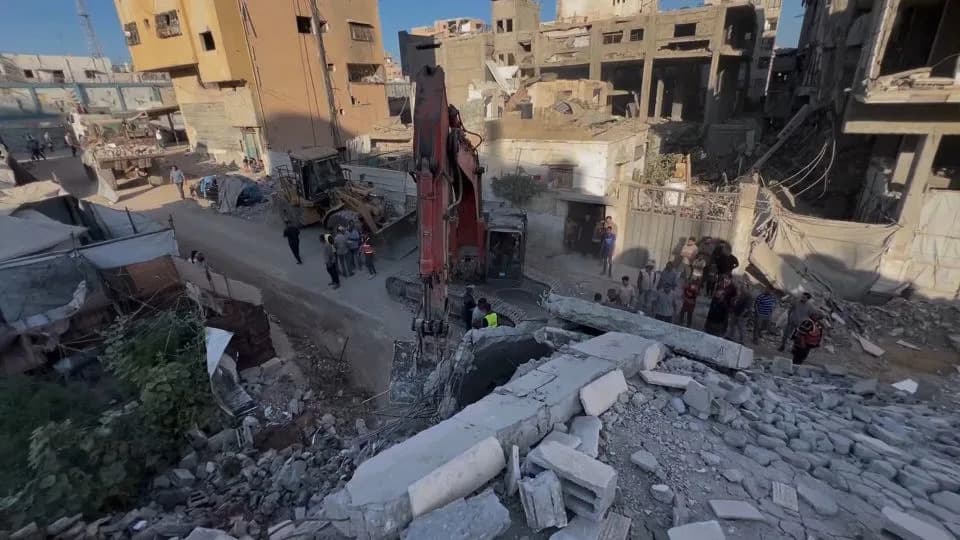
Roadways in Deir al-Balah turned into shallow streams of murky water. Witnesses said one man waded across while carrying two young daughters, and others knelt on the ground pressing cloths to absorb water leaking into shelters. The flooding has complicated relief work and made already limited services even harder to reach for those most in need.
Although large-scale daily fighting has paused under the ceasefire, both sides have accused each other of violating its terms, and Israeli strikes have continued in parts of the territory in response to alleged breaches. Large numbers of displaced Palestinians remain crowded into areas not under Israeli ground control, where damaged infrastructure and flooding have deepened an existing humanitarian emergency.
Help us improve.