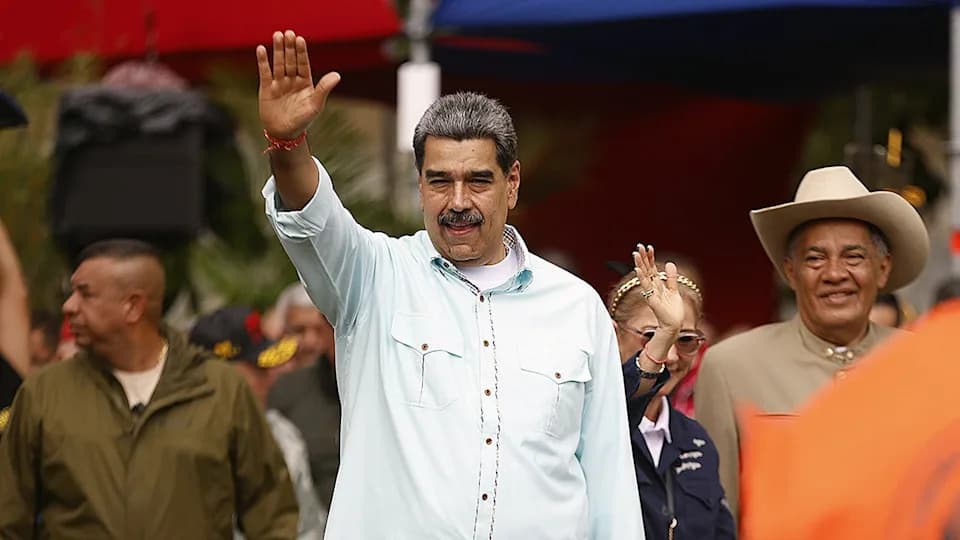
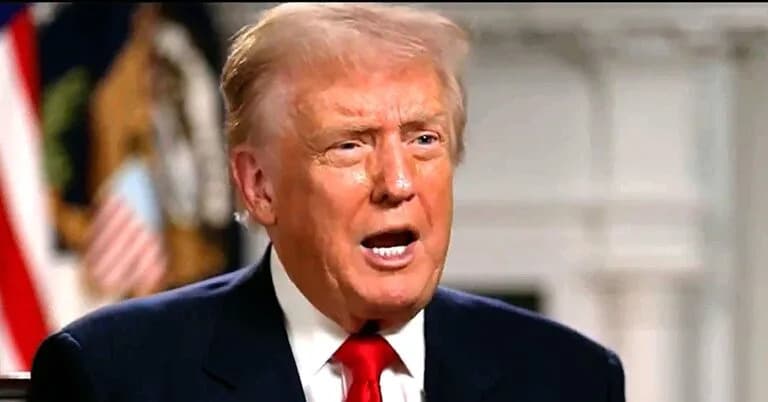
The State Department has listed Venezuela’s Cartel de los Soles as a Foreign Terrorist Organization amid a wider US campaign that includes strikes, a major Caribbean military buildup, and covert operations aimed at pressuring Nicolás Maduro. While the FTO label enables sanctions and other legal tools, it does not, by itself, authorize military action—though some fear it could be used to justify force. The administration’s broadened use of terms like narcoterrorism blurs lines between organized crime and politically motivated violence, prompting legal and policy concerns.
Trump’s Unconventional War on “Terrorism”: Why the Cartel de los Soles FTO Designation Matters

The State Department has designated Venezuela’s so‑called Cartel de los Soles as a Foreign Terrorist Organization (FTO), part of an intensified US campaign aimed at pressuring President Nicolás Maduro. The move comes as US officials report strikes on suspected drug vessels that they say have killed more than 80 people, the largest US military buildup in the Caribbean in decades, and authorization for covert action inside Venezuela.
US authorities allege the Cartel de los Soles is led by Maduro alongside senior Venezuelan officials and military officers. Secretary of Defense Pete Hegseth said the FTO listing “brings a whole bunch of new options to the United States,” suggesting the designation expands available policy tools—but the legal and practical implications are complex.
What the FTO label does — and does not — allow
An FTO designation triggers a range of penalties, including economic sanctions, asset restrictions, and visa bans. It also creates new legal tools for prosecution and international cooperation. However, the label itself does not legally authorize military strikes or regime‑change operations. Legal critics and observers caution that past precedents—such as the earlier designation of Iran’s Revolutionary Guard Corps before the US strike that killed Gen. Qassem Soleimani—show how such listings can be interpreted to justify force.
“The concern is that what they’re doing is dressing up regime change under the guise of counterterrorism and counternarcotics,” said Brian Finucane, a former State Department legal adviser now with the International Crisis Group.
Broadening the meaning of “terrorism”
The Cartel de los Soles is not a conventional jihadist or ideologically driven terrorist organization; many Venezuelans use the term to describe a loose network of military officers and regime figures—the “Soles” refers to the stars on generals’ uniforms—accused of involvement in drug trafficking and other crimes. Since the current administration took office, the State Department has designated 24 groups as FTOs in a single year—more than were listed in the previous decade. New entries include Iran‑aligned militias and a majority of Latin American criminal organizations, such as Mexican cartels and street gangs from Haiti, Venezuela, and Ecuador.
Officials are applying the term narcoterrorism broadly, blurring the line between profit‑driven criminal networks and politically motivated armed groups. Critics warn that conflating these categories risks misdirecting resources: stopping supply is important, but so is addressing domestic demand and public‑health strategies to reduce addiction.
Domestically and abroad: other recent designations
The administration has also labeled several European leftist groups—described as antifa‑linked—as extremist, and has characterized broad antifa activity in the US as a domestic terrorist threat despite the lack of a specific legal category for “domestic terrorist organizations.” Some of those groups have credible accusations of violence, though their current organization and threat levels are disputed.
Context: a shift from the post‑9/11 focus
One striking feature of this policy shift is how it comes as the United States has mostly moved on from the post‑9/11 War on Terror posture. Jihadist threats such as ISIS and al‑Qaeda still exist and are resurging in some theaters, but they attract less sustained attention than they did a decade ago. Meanwhile, the terrorism label has become a flexible tool for targeting a wider range of adversaries—foreign and domestic—even as its meaning grows more ambiguous.
In short, the Cartel de los Soles designation expands Washington’s legal and diplomatic toolkit, but it also raises questions about intent, proportionality, and the potential use of force. Observers caution that labeling criminal networks as terrorists can have far‑reaching consequences for US foreign policy, regional stability, and the rule of law.
Help us improve.