Gramma, an estimated 141-year-old Galápagos tortoise and the San Diego Zoo’s oldest resident, died on Nov. 20 after age-related bone conditions led keepers to euthanize her. Born in the Galápagos and transferred from the Bronx Zoo in the early 20th century, she was beloved by visitors and nicknamed “the Queen of the Zoo.” The article highlights Galápagos tortoise longevity, conservation successes that have returned over 10,000 juveniles to the wild since 1965, and recent hatchlings and first-time fathers at U.S. zoos.
Gramma, San Diego Zoo’s Beloved Galápagos Tortoise, Dies at About 141

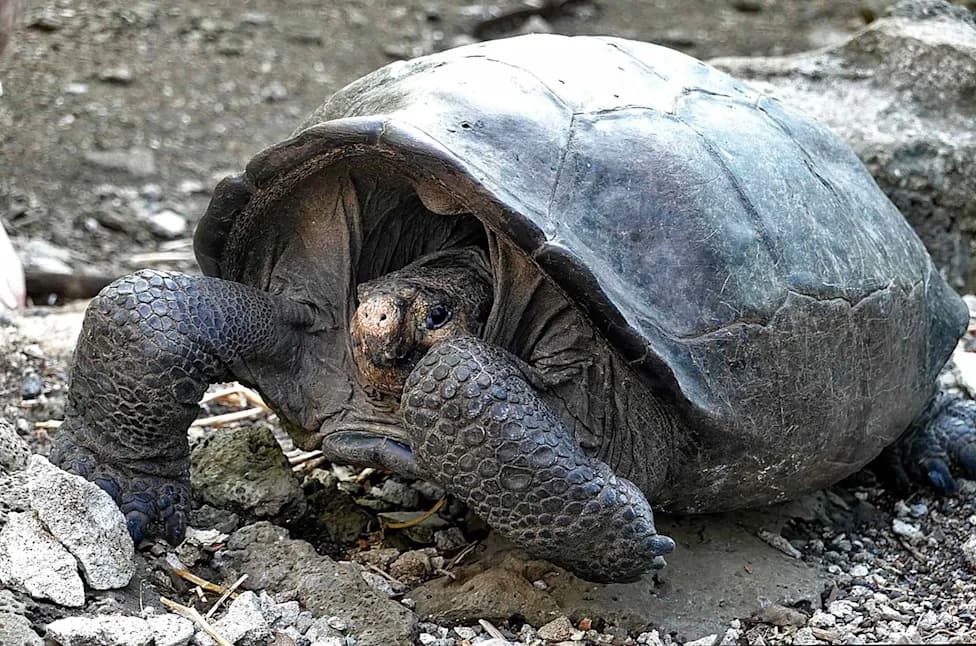
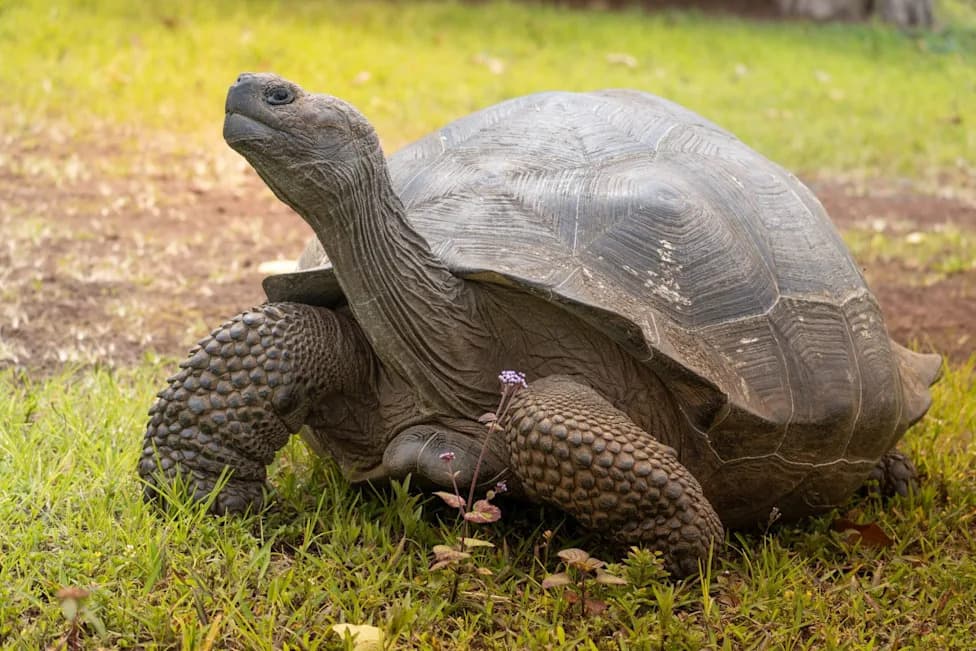
Gramma, an estimated 141-year-old Galápagos tortoise and the San Diego Zoo’s longest‑lived resident, died on Nov. 20 after age-related bone conditions led staff to humanely euthanize her.
Born in the Galápagos Islands, Gramma arrived at the San Diego Zoo from the Bronx Zoo as part of an early transfer of Galápagos tortoises, recorded as occurring in either 1928 or 1931. For generations she charmed visitors with a gentle, shy manner and earned the affectionate nickname “the Queen of the Zoo.” Her long life spanned two world wars and more than 20 U.S. presidents.
Visitors' memories and personal stories
Many visitors recalled first seeing Gramma as children and returning years later with their own families. Cristina Park, 69, said a childhood memory of visiting the zoo at age 3 or 4 and briefly riding on a tortoise’s back inspired her lifelong interest in tortoises and conservation.
“Just how amazing it is that they managed to live through so much,” Park said. “And yet they’re still there.”
Species longevity and conservation progress
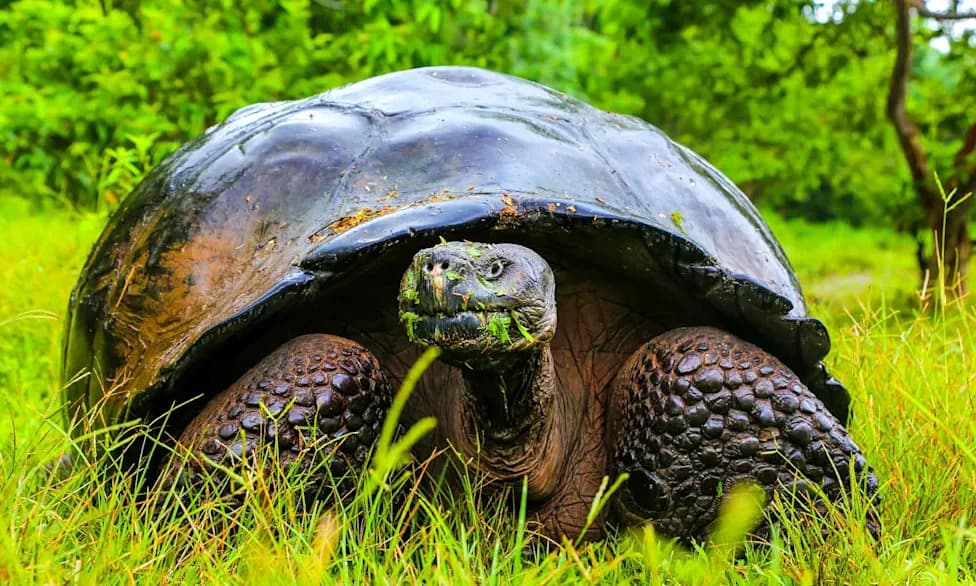
Galápagos tortoises commonly live more than 100 years in the wild and often longer in human care. The longest‑lived known Galápagos tortoise, Harriet, reached about 175 years and lived at the Australia Zoo until 2006.
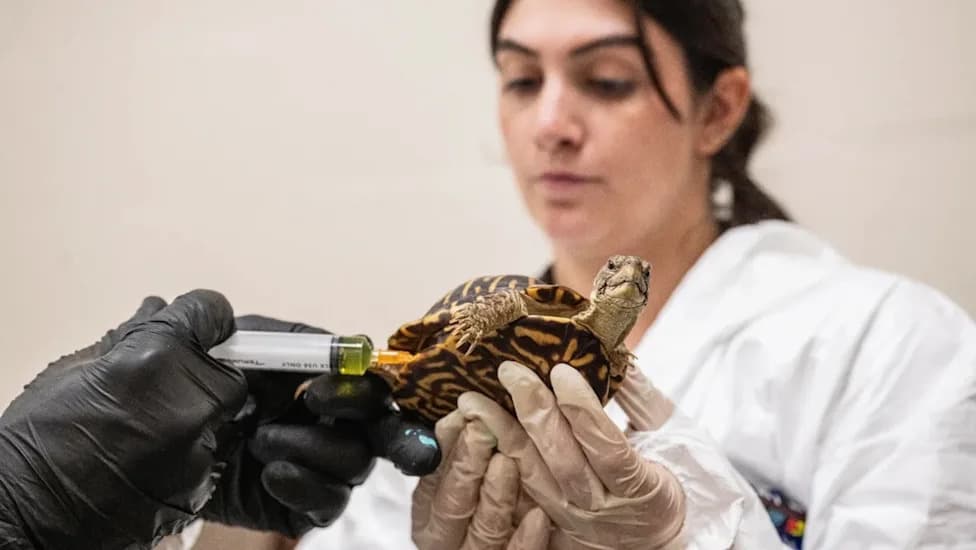
There are 15 recognized subspecies of Galápagos tortoise native to the islands; three subspecies have been declared extinct and the rest are classified by the International Union for Conservation of Nature as vulnerable or critically endangered. Decades of captive‑breeding and restoration efforts have helped: the Galápagos Conservancy reports that more than 10,000 juvenile tortoises have been released to the wild since 1965, and some subspecies have been brought back from the brink of extinction.
This year offered hopeful signs elsewhere in the U.S.: in April, the Philadelphia Zoo reported four Galápagos hatchlings born to first‑time parents estimated at around 100 years old, a first for that institution; in June, Zoo Miami’s tortoise Goliath became a first‑time father at the age of 135.
Legacy
Gramma’s long life and the many visitor stories she inspired underscore both the remarkable longevity of Galápagos tortoises and the importance of ongoing conservation work to protect these iconic animals for future generations.
Help us improve.