Scientists analyzing Antarctic ice-shelf failures from about 9,000 years ago found that warm Circumpolar Deep Water intruded beneath a floating ice shelf while fresh meltwater kept the ocean surface stratified. That combination accelerated basal melting, triggered shelf collapse, and produced a feedback loop that drove inland ice retreat. The same ocean-driven process could amplify modern ice loss as the planet warms, so researchers urge emissions reduction, stronger monitoring, and improved models.
9,000-Year-Old Antarctic Collapse Reveals Dangerous Ocean–Ice Feedback — What It Means Today
Researchers studying a series of abrupt Antarctic ice-shelf failures about 9,000 years ago say they have identified a self-reinforcing ocean–ice mechanism that likely sped the collapse — and that the same process could operate again as the planet warms.
In a paper published in Nature, the team analyzed early-Holocene episodes of relatively rapid ice-sheet retreat and shelf failure to determine what triggered the sudden shifts. Their work points to a combination of rising seas, stratified surface waters from melt, and the intrusion of relatively warm deep water beneath floating ice shelves.
How the feedback worked
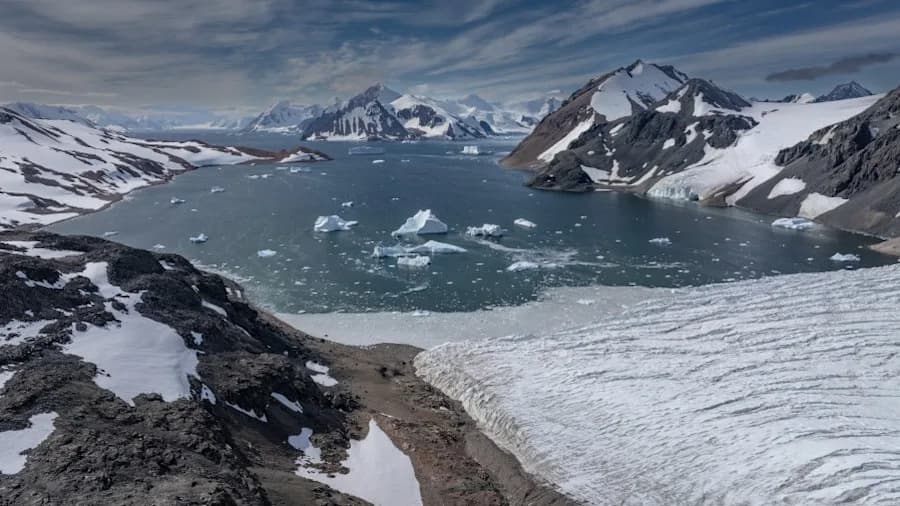
The key actor was Circumpolar Deep Water (CDW), a relatively warm, dense water mass that sits below the surface in the Southern Ocean. As global sea level rose after the last glacial period, CDW was able to intrude beneath an East Antarctic ice shelf. Fresh meltwater from the ice sheet created a lighter surface layer that helped keep the ocean stratified, allowing the warm deep water to persist beneath the shelf.
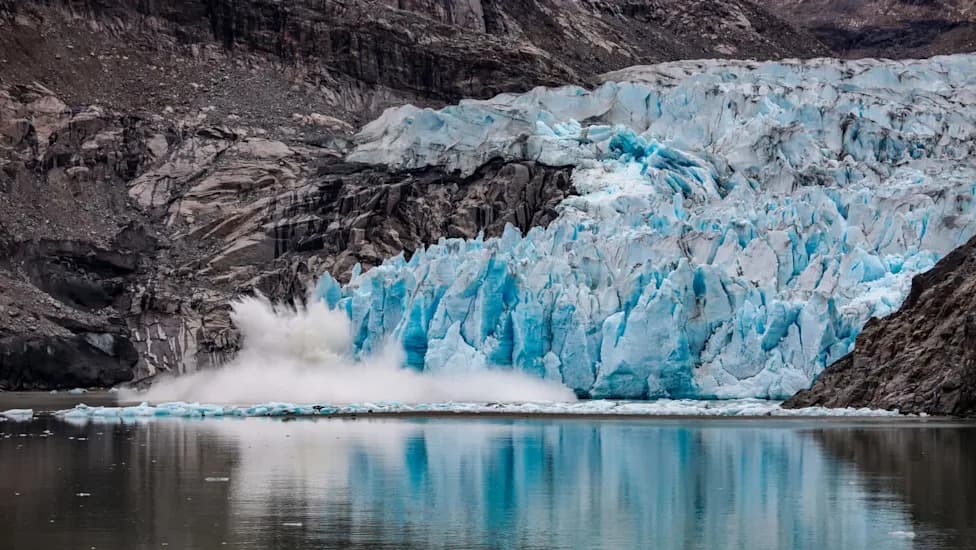
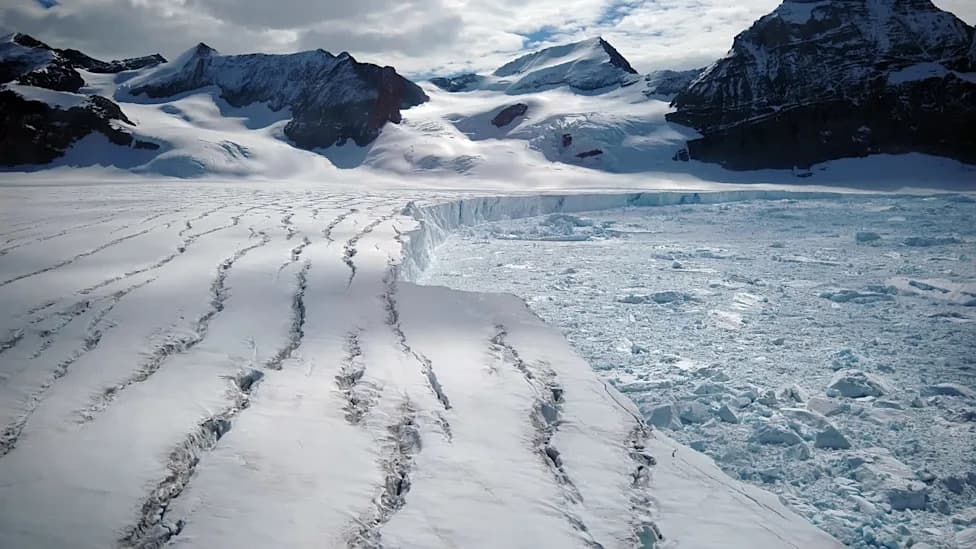
Contact with that warmer water increased basal melting of the floating ice, weakening the shelf. When the shelf disintegrated, grounded ice behind it sped up and flowed toward the ocean, breaking into large ice masses. The loss of the shelf and accelerated ice discharge fed more melt and further changed local ocean conditions — a positive feedback that hastened inland thinning and retreat.
Modeling by the authors shows a loop: rising sea level and a fresh meltwater surface layer promote persistent warm-water intrusion beneath ice, which accelerates shelf loss and inland thinning, driving further retreat.
Why this matters now
Although the early Holocene warming unfolded over centuries to millennia, today’s warming is occurring much faster. The mechanisms identified in the ancient collapse — ocean-driven basal melt, shelf instability, and feedbacks between melting and ocean stratification — are present in some modern Antarctic regions and could amplify ice loss beyond current expectations.
That makes improved observations, ocean and ice monitoring, and more realistic models critical for projecting future sea-level rise and identifying vulnerable sectors of the ice sheet.
What can be done
Scientists emphasize that the primary lever to reduce the risk of large-scale ice loss is cutting global carbon emissions to limit further warming. Other important measures include accelerating ocean and ice monitoring, refining models to capture ocean–ice processes, and investing in adaptation strategies for coastal communities.
Understanding past collapse events gives researchers a clearer picture of how ocean conditions can trigger rapid changes in ice sheets — information that can help policymakers and communities better prepare for and reduce future risks.
Help us improve.