Key points: Judge Cameron McGowan Currie found that Lindsey Halligan was not lawfully appointed as an interim U.S. attorney and vacated indictments she brought against James Comey and Letitia James. The court held that the attorney general’s interim appointment power lasts only 120 days, after which the district court must appoint a replacement. The dismissals were issued "without prejudice," so refiled charges remain possible within statutory windows. The decision highlights limits on the executive’s ability to install partisan prosecutors and may be appealed.
Court Rules Lindsey Halligan Was Not a Lawful U.S. Attorney — Indictments Against Comey and James Vacated

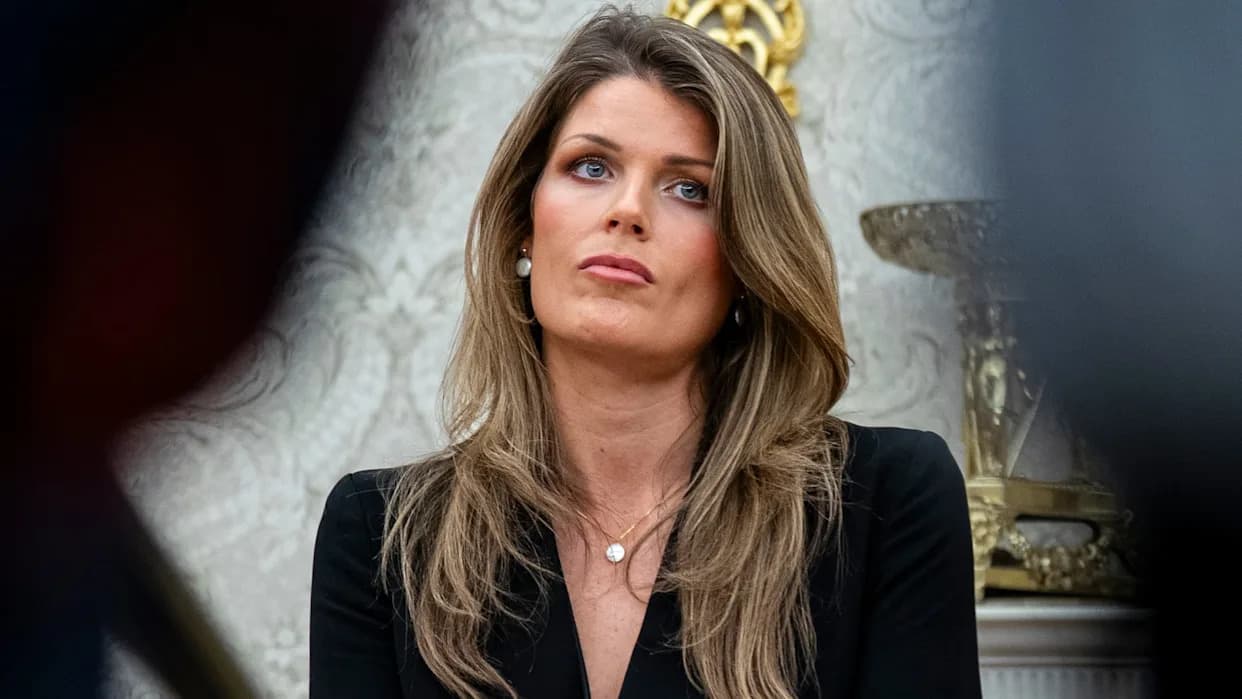
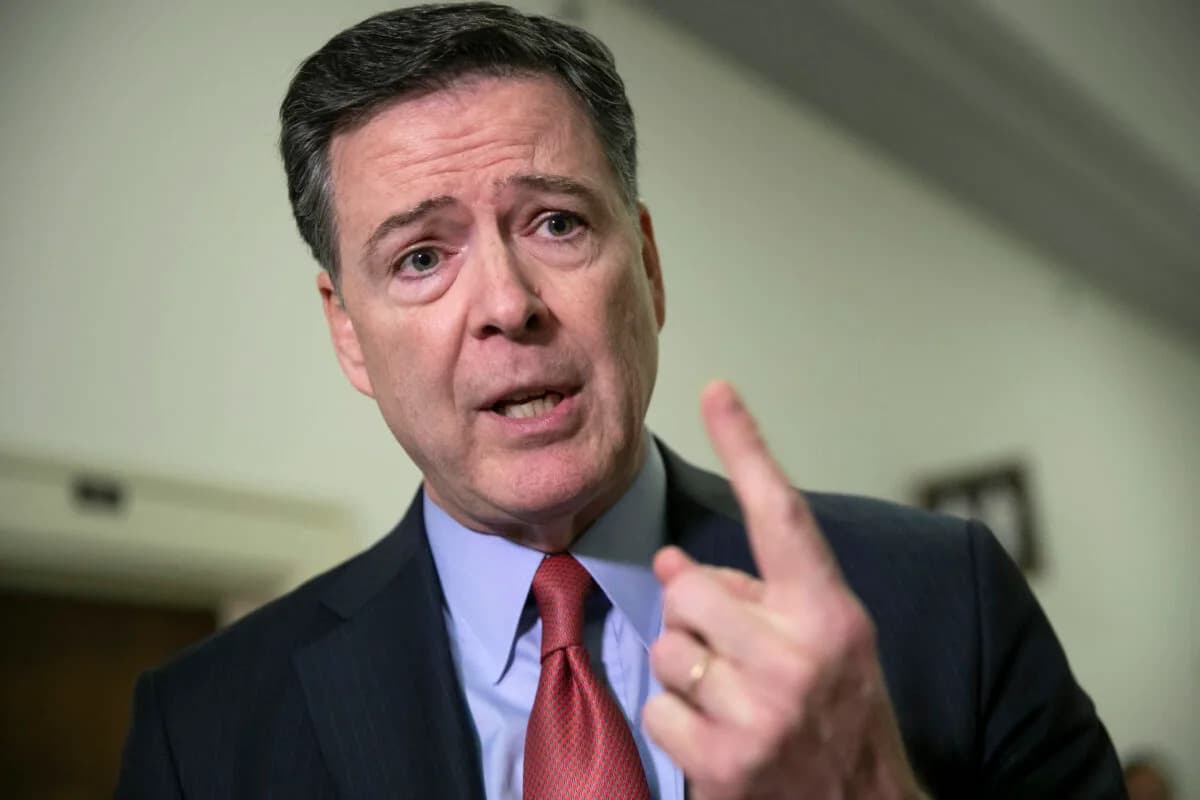
U.S. District Judge Cameron McGowan Currie has ruled that Lindsey Halligan, a personal lawyer to former President Donald Trump, was not lawfully appointed as an interim U.S. attorney in Virginia and therefore lacked authority to bring indictments against former FBI Director James Comey and New York Attorney General Letitia James. Currie described the appointment as an unlawful circumvention of federal law and the Constitution and vacated the indictments in full.
Background
The Justice Department, backed by Attorney General Pam Bondi, attempted to replace the interim U.S. attorney in the Eastern District of Virginia after the incumbent, Erik Siebert, resisted politically driven pressure to pursue charges. The administration named Halligan—an attorney with no prior prosecutorial experience—to lead the office and pursue perjury charges against Comey and mortgage-fraud charges against James. Those indictments were quickly challenged on the ground that Halligan never lawfully held the office.
The Legal Issue
At the heart of the dispute is a federal statute that allows the attorney general to appoint an interim U.S. attorney for a single 120-day period. After that period ends, the statute assigns appointment authority to the federal district court, which may appoint a replacement who serves "until the vacancy is filled." Currie concluded that, because the 120-day window had already closed and the court had lawfully reappointed the prior interim official, the attorney general no longer had authority to install Halligan.
Text, Purpose, and History
Judge Currie’s opinion rests on three pillars: the statute’s text, its purpose, and its legislative history. Textually, the statute offers only one path after 120 days—appointment by the district court. Purposively, that limit protects the Constitution’s Appointments Clause by preventing the executive from indefinitely bypassing Senate confirmation. Currie also pointed to legislative history showing Congress briefly experimented with a different rule in 2006 and then reversed course, reinforcing the long-standing view that the post-120-day appointment belongs to the judiciary.
Remedy and Limitations
Because Halligan was not validly appointed, Currie disqualified her and dismissed the indictments. The judge dismissed the charges "without prejudice," meaning prosecutors may, in principle, refile. Currie addressed concerns about the statute of limitations: federal law provides a limited grace period when a defective indictment is filed just before a limitations deadline, giving prosecutors an additional window to return a valid indictment in some circumstances.
What Happens Next
The ruling may be appealed, and other courts have reached similar conclusions in near-identical cases. If the Justice Department pursues the matter, the legal fight could reach the Supreme Court. For now, the decision reinforces limits on executive appointment power and underscores that federal prosecutors must hold lawful authority before using the criminal process.
Help us improve.