The RSF announced a unilateral three‑month humanitarian ceasefire after Sudan's army rejected a US‑backed truce proposal from Quad mediators (US, Saudi Arabia, UAE, Egypt). Army chief Abdel Fattah al‑Burhan criticized the plan as biased and said it would undermine security institutions while leaving militias intact. The UAE publicly rebuked Burhan, and the RSF's leader, Mohamed Hamdan Daglo, delivered the truce announcement in a recorded message. International alarm has grown since the RSF seized El‑Fasher, and past ceasefires have repeatedly broken down.
RSF Declares Unilateral Three‑Month Humanitarian Truce After Army Rejects US‑Backed Plan

Sudan's paramilitary Rapid Support Forces (RSF) announced a unilateral three‑month humanitarian ceasefire on Monday, a day after the regular army rejected a US‑backed truce put forward by international mediators.
What happened
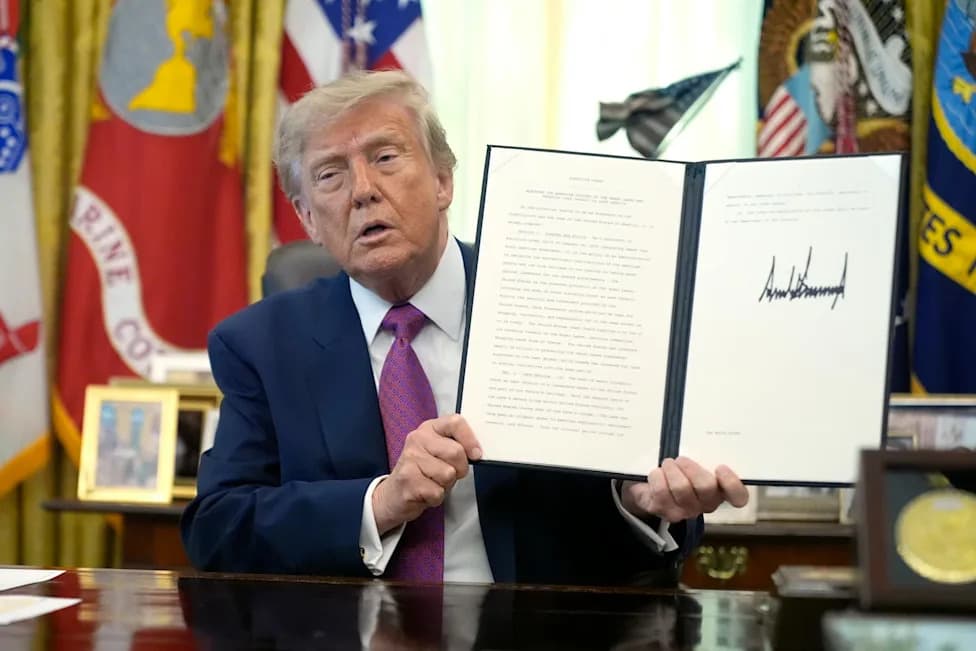
The RSF said the ceasefire was declared "in response to international efforts, including the initiative of US President Donald Trump and the Quad mediators," referring to a group made up of the United States, Saudi Arabia, the United Arab Emirates and Egypt. The announcement came in a recorded message from RSF commander Mohamed Hamdan Daglo, a former deputy to army chief Abdel Fattah al‑Burhan who is now his rival.
Army response and diplomatic tensions
Army chief Abdel Fattah al‑Burhan rejected a truce proposal submitted by US envoy Massad Boulos on behalf of the Quad, calling it the "worst yet" and accusing the mediators of bias as long as the UAE remained part of the group. Burhan said the plan would "eliminate the armed forces, dissolve security agencies and keep the militias where they are," arguing it failed to disarm militias or protect the army's institutional role.
"Where are these so‑called members of the Muslim Brotherhood within the Sudanese army? We do not know them. We only hear such claims in the media," Burhan said, rejecting accusations that the army is controlled by the Muslim Brotherhood.
The UAE publicly criticized Burhan for what it described as "consistently obstructive behaviour." Abu Dhabi has faced widespread allegations that it supplied arms to the RSF, which the UAE has repeatedly denied.
Background and outlook
Earlier in November the RSF said it had accepted a humanitarian truce proposed by international mediators. A prior framework discussed in September envisioned a three‑month humanitarian truce followed by a permanent ceasefire and a nine‑month transition to civilian rule, but the army aligned with the government rejected that plan.
International concern has intensified since the RSF captured the Darfur city of El‑Fasher after a prolonged siege, prompting warnings about potential crimes against humanity. Over the past two years, both sides have repeatedly violated ceasefires, and negotiations have yet to secure a lasting halt to the fighting.
Help us improve.