Los Angeles County Fire officials say that in extreme, fast-moving wildfires where evacuation down narrow canyon roads is impossible, residents of Topanga may be ordered to shelter in their homes. Experts warn sheltering in place is only viable when houses and neighborhoods are extensively hardened and defensible space is created — measures many homeowners have not completed. The plan reflects hard trade-offs between the danger of evacuating along congested, smoky roads and the risks of staying inside poorly protected structures.
When Fleeing Isn’t an Option: L.A. County Fire May Order Topanga Residents to Shelter at Home

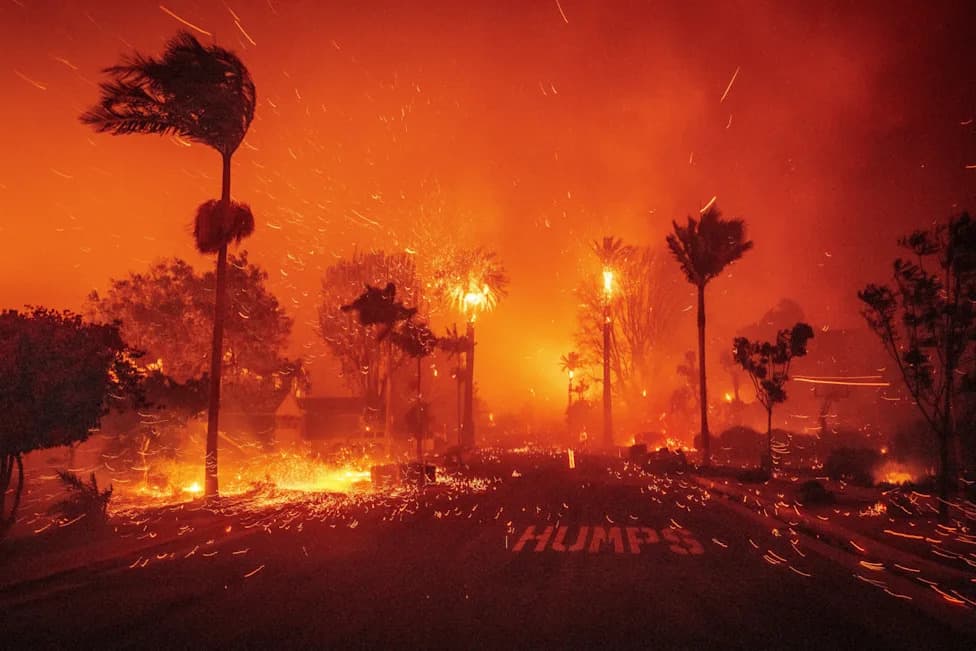
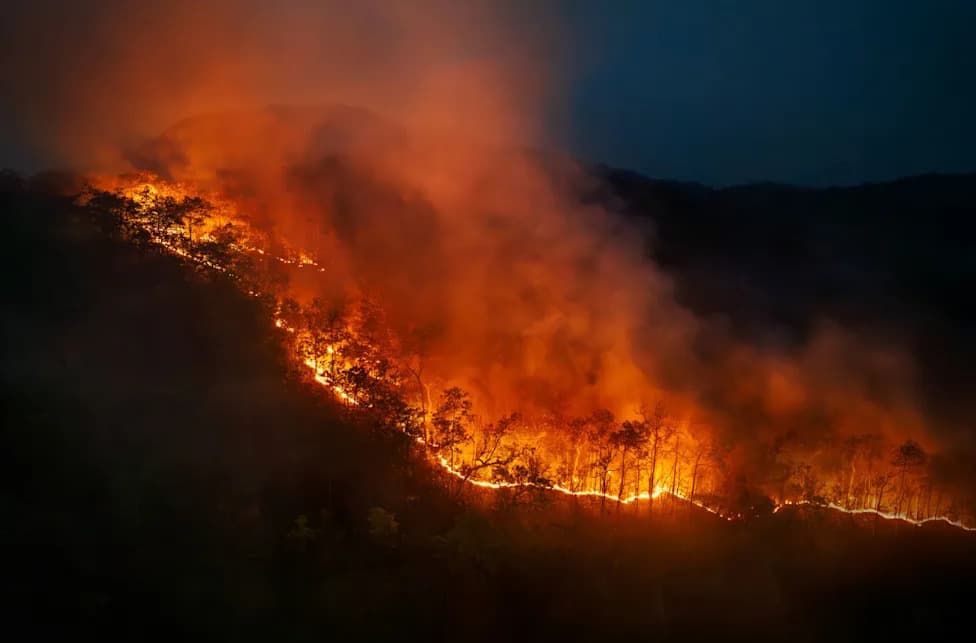
Dozens of Topanga residents gathered at the town’s Community House to hear Assistant Fire Chief Drew Smith outline a stark reality: in a fast-moving, wind-driven wildfire that reaches the canyon edge in minutes, directing a multi-hour evacuation of more than 8,000 people down narrow mountain roads may not be feasible. In those worst-case scenarios, the Los Angeles County Fire Department says it may order people to shelter inside their homes.
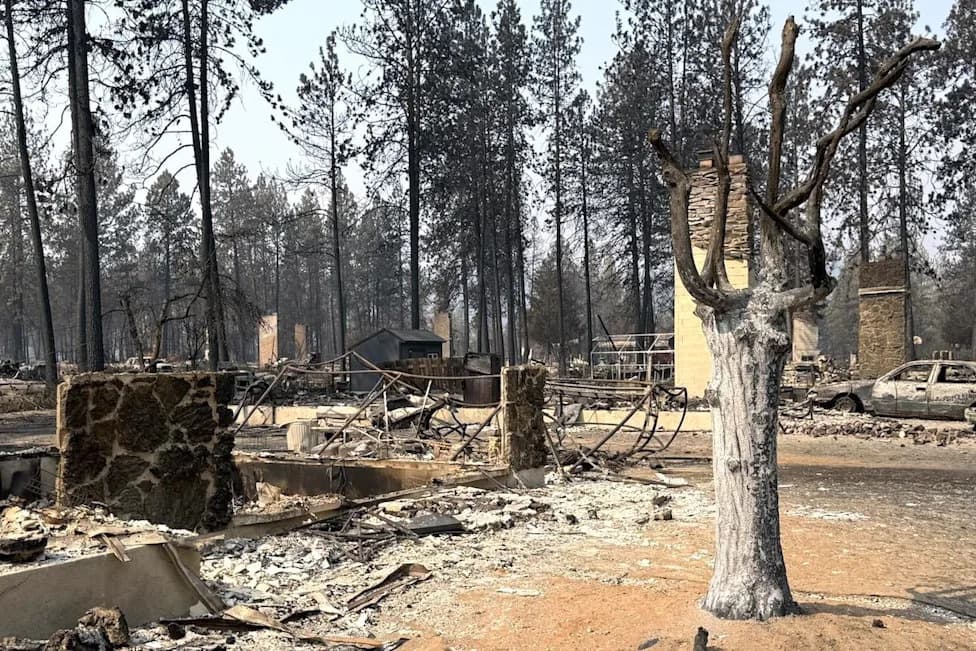
“Your structure may catch on fire. You're going to have religious moments, I guarantee it. But that's your safest option,” Smith told attendees at the Oct. 4 ReadyFest wildfire-preparedness event.
Why sheltering in place is being considered
County fire officials say they studied the geometry and fire dynamics of Topanga and concluded that many of the community's designated refuge sites — such as a baseball field behind the Community House or a water-tank site barely larger than an acre — would not protect the entire population from extreme radiant heat in a violent firestorm. In wind-driven conflagrations like the Woolsey, Franklin and Palisades fires, Smith said, protecting groups of 30 to 100 people would require clear land on the order of 14 acres.
Experts warn of major risks
Emergency-response specialists caution that sheltering at home is dangerous unless homes and neighborhoods are extensively hardened and surrounded by defensible space. They point to past tragedies as warnings: after Australia adopted a similar policy, the 2009 Black Saturday fires killed 173 people, many sheltering at home. Investigations of the 2018 Camp Fire in Paradise also highlight how quickly flames can overwhelm communities and how many refuge schemes proved inadequate.
David Shew, an architect and former Cal Fire firefighter, emphasizes that shelter-in-place is not a simple fallback: communities would need widespread home hardening and vegetation management to make it a viable option. Mark Ghilarducci, former director of California's Office of Emergency Services, warned that basic advice such as "shelter in the bathroom" may be ineffective if a house is already burning and surrounded by wildfire.
Topanga’s preparations, and their limits
Topanga has taken several steps: the elementary school relocates off the mountain on high-risk days; a task force publishes and distributes a Disaster Survival Guide; the Topanga Coalition for Emergency Preparedness (TCEP) and local fire safety groups have inspected and advised hundreds of homes. The community was designated a Firewise Community in 2022 in recognition of such efforts.
Still, a county property analysis shows roughly 98% of Topanga homes were built before statewide home-hardening codes introduced in 2008. Comprehensive retrofits — replacing siding and roofs with noncombustible materials, removing wood decks, installing multi-pane tempered windows and hardscaping around houses — are costly. A Headwaters Economics report estimates full retrofits using affordable materials cost roughly $23,000 to $40,000, and can exceed $100,000 with higher-end options.
Local residents adopt different responses. James Grasso, president of TCEP and a county call firefighter who lost his home in a past blaze, has steadily hardened his property and even built a concrete hillside shelter with steel doors. Other residents, like Connie Najah, who has a ham radio to stay connected during outages, worry about communication and support if ordered to shelter in place.
Trade-offs and official guidance
Officials stress that sheltering in place would be a last-resort order, used only when evacuation is judged infeasible. Chief Smith reiterated:
“If we have time to evacuate, we will evacuate you.”The department argues that, while sheltering at home does not guarantee survival, it can avoid the danger of people becoming trapped and disoriented on smoke-filled roads with little protection.
Experts unanimously advise residents to follow official orders — whether to evacuate early, move to a verified safety zone, or shelter at home when directed. They also urge communities and homeowners to invest in preparedness: building defensible space, hardening structures where possible, and developing tested refuge-zone plans.
Bottom line
Topanga’s situation illustrates a wider challenge facing many fire-prone communities: limited evacuation routes, dense housing, and extreme wind-driven fire behavior can make timely escape impossible. Sheltering at home may be the only realistic option in some scenarios, but it is fraught with risk unless paired with substantial community-scale mitigation and home-hardening measures — investments that are expensive and unevenly distributed. For some residents, the choice to remain in such places will come down to cost, tolerance for risk and access to resources to make homes more survivable.
Key facts: Topanga population ~8,000; about 98% of homes predate 2008 home-hardening codes; Cal Fire has found >2,400 at-risk developments statewide with limited evacuation routes; estimated full home retrofits cost roughly $23,000–$40,000 or more.
Help us improve.