Hamas sent a senior delegation, including Khalil al-Hayya, to meet Egypt’s intelligence chief in Cairo to protest repeated Israeli breaches of the ceasefire and to request a monitored mechanism to document violations. The meeting addressed the urgent issue of fighters sheltering in Rafah’s tunnels, where communications have been cut. Local officials reported a recent wave of Israeli strikes that killed at least 24 Palestinians; Gaza authorities say the truce has been violated nearly 500 times since October 10. Hamas reiterated it will not disarm while it considers an occupation to continue.
Hamas Meets Egypt’s Intelligence Chief — Warns Israeli Strikes Threaten Ceasefire

A senior Hamas delegation travelled to Cairo to meet Egypt’s intelligence chief, Hassan Rashad, to protest what the group described as repeated Israeli breaches of the ceasefire. The delegation, which included Khalil al-Hayya, the movement’s exiled Gaza chief, said the violations risked undermining the deal reached last month.
In a statement, Hamas said it reaffirmed its commitment to implementing the first phase of the truce but called on mediators to establish a clear, jointly supervised mechanism to document and halt any further breaches. The group also raised urgent concerns about fighters sheltering in tunnel networks beneath parts of Rafah, saying communications with those fighters have been severed.
Egypt, Qatar and the United States have been mediating between Hamas and Israel and helped broker the ceasefire that came into effect in October. Hamas urged those mediators to press Israel to stop what it described as ongoing violations.
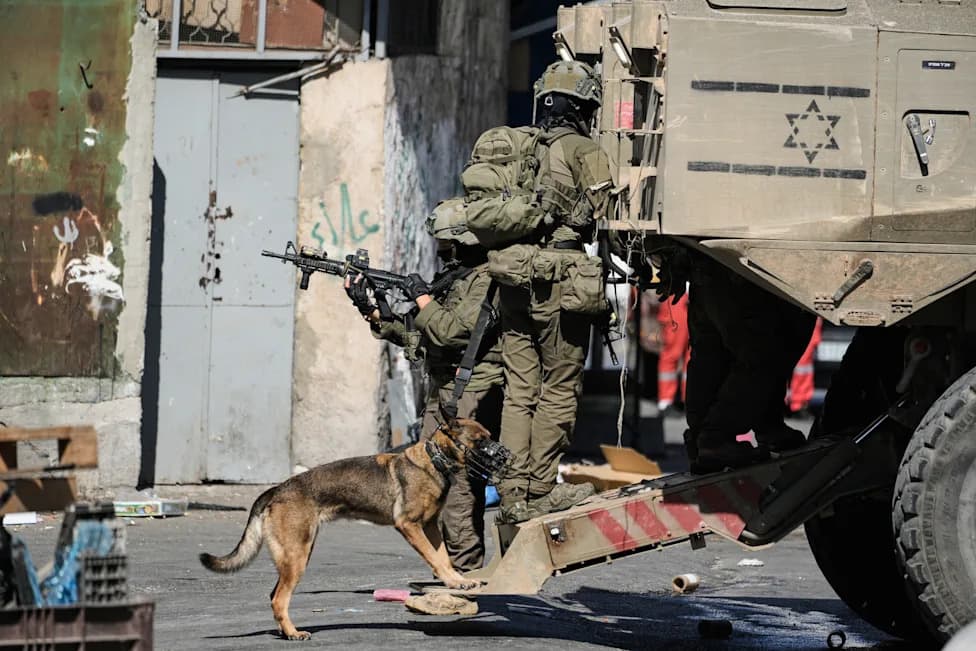
The talks followed a wave of Israeli air strikes across Gaza that, according to local officials, levelled homes, damaged makeshift shelters and struck a vehicle, killing at least 24 Palestinians, including children. Israel’s military said the strikes targeted Hamas operatives after the movement allegedly sent a fighter into territory under Israeli control; Hamas denied the allegation and called the strikes a pretext for lethal force.
According to the Gaza Government Media Office, the ceasefire has been violated at least 497 times since it took effect on October 10, with some 342 civilians killed in those incidents. Local reports say children, women and the elderly make up the majority of the victims.
“It’s very hard to tell that there’s a letup in terms of Israel’s attacks on Gaza. We are seeing continuous attacks beyond the ‘yellow line,’ which are the areas under Israeli control. We are seeing demolition and systematic destruction of civilian infrastructure and landmarks, and the turning of this area into a barren landscape,” said Tareq Abu Azzoum, reporting from Gaza City.
“People here are concerned about the potential expansion of Israel’s attacks to other areas in Gaza in the coming days. People are also sceptical of the possibility of moving from phase one of the ceasefire to phase two as they are still waiting to see if the deal can be sustained and if there will be real advances in humanitarian access and reconstruction,” he added.
Ceasefire phases and remaining disputes
Phase one of the ceasefire — described by mediators as a US-backed plan — envisages an exchange of captives and prisoners, the delivery of humanitarian aid and the opening of the Rafah crossing with Egypt. Hamas says it has released all remaining living captives except for three and has handed over dozens of bodies. Israel, for its part, has released nearly 2,000 Palestinian detainees, including some serving life sentences, according to statements from the parties involved.
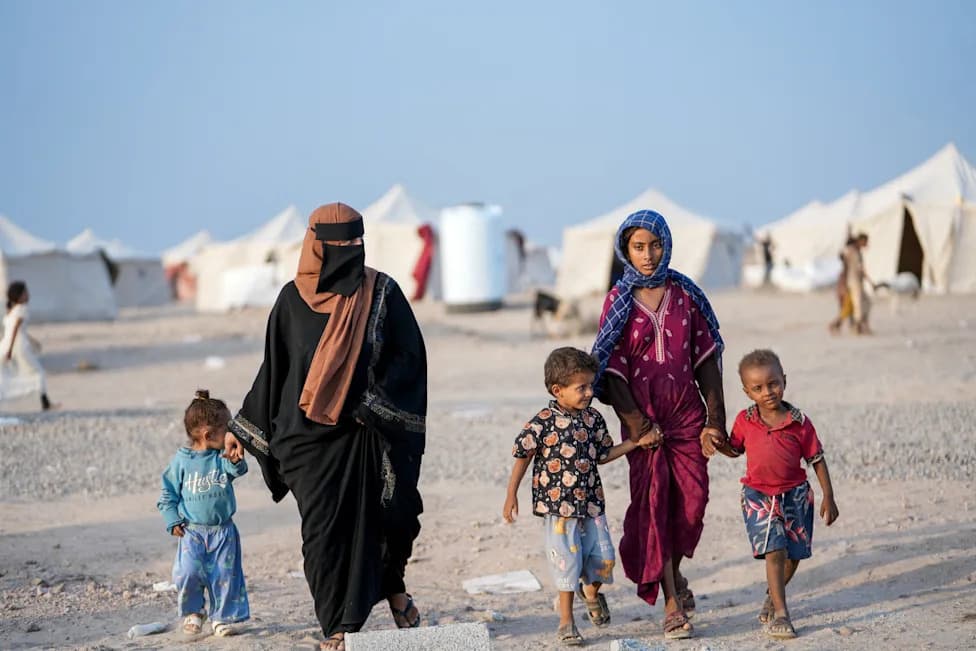
Humanitarian organisations continue to report restrictions on border crossings and impeded aid deliveries. Local officials and aid groups also say Israel has so far refused to allow the Rafah crossing to open fully.
Phase two calls for Gaza to be administered by a technocratic Palestinian committee under international supervision, overseen by a peace board of international mediators. That plan envisions a temporary international stabilisation force to secure border areas, train police and work toward demilitarisation. Hamas has made clear it will not disarm while it regards the Israeli presence as an occupation.
Amid continuing tension and conflicting accounts of recent operations, Hamas appealed to Egypt, Qatar and the United States to intervene urgently and to push for strict monitoring and enforcement of the ceasefire terms.
Help us improve.