The Memphis Safe Task Force has arrested more than 2,800 people and issued over 28,000 traffic citations since late September, intensifying overcrowding at the Shelby County Jail and clogging court dockets. Officials warn the surge may require emergency funding, additional judges and extended court hours, while jail administrators report transfers, intake detainees sleeping in chairs and staffing shortfalls. Critics say the operation disproportionately affects people of color and immigrants; task force spokespeople say the arrests show the effort is working.
Trump-Ordered Task Force's Mass Arrests Overwhelm Memphis Jails and Courts

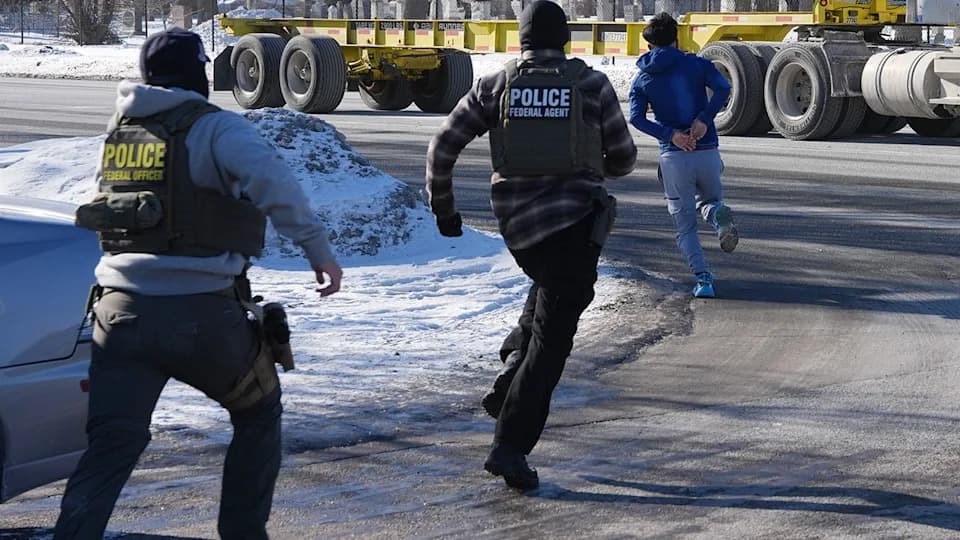
Since late September, the Memphis Safe Task Force — a coalition of federal, state and local officers that includes National Guard personnel — has conducted thousands of traffic stops, served warrants and hunted fugitives across the city. Task force and Memphis police data show more than 2,800 arrests and over 28,000 traffic citations, actions supporters hope will reduce violent crime but that have already strained the county's courts and jail system.
The surge has support from Governor Bill Lee and other officials who say the operation aims to tackle a city that has struggled with violent crime. Long-term data from AH Datalytics shows homicides in Memphis rose 33% and aggravated assaults increased 41% from 2018 to 2024, though the firm also reported a roughly 20% decline in those offenses during the first nine months of this year — before the task force began its operations.
Critics in majority-Black neighborhoods say the task force disproportionately targets people of color and has intimidated Latino residents. Some community members report skipping work or avoiding churches and restaurants for fear of being stopped or detained. At the end of October the operation reported 319 arrests on administrative warrants, which are frequently linked to immigration enforcement.
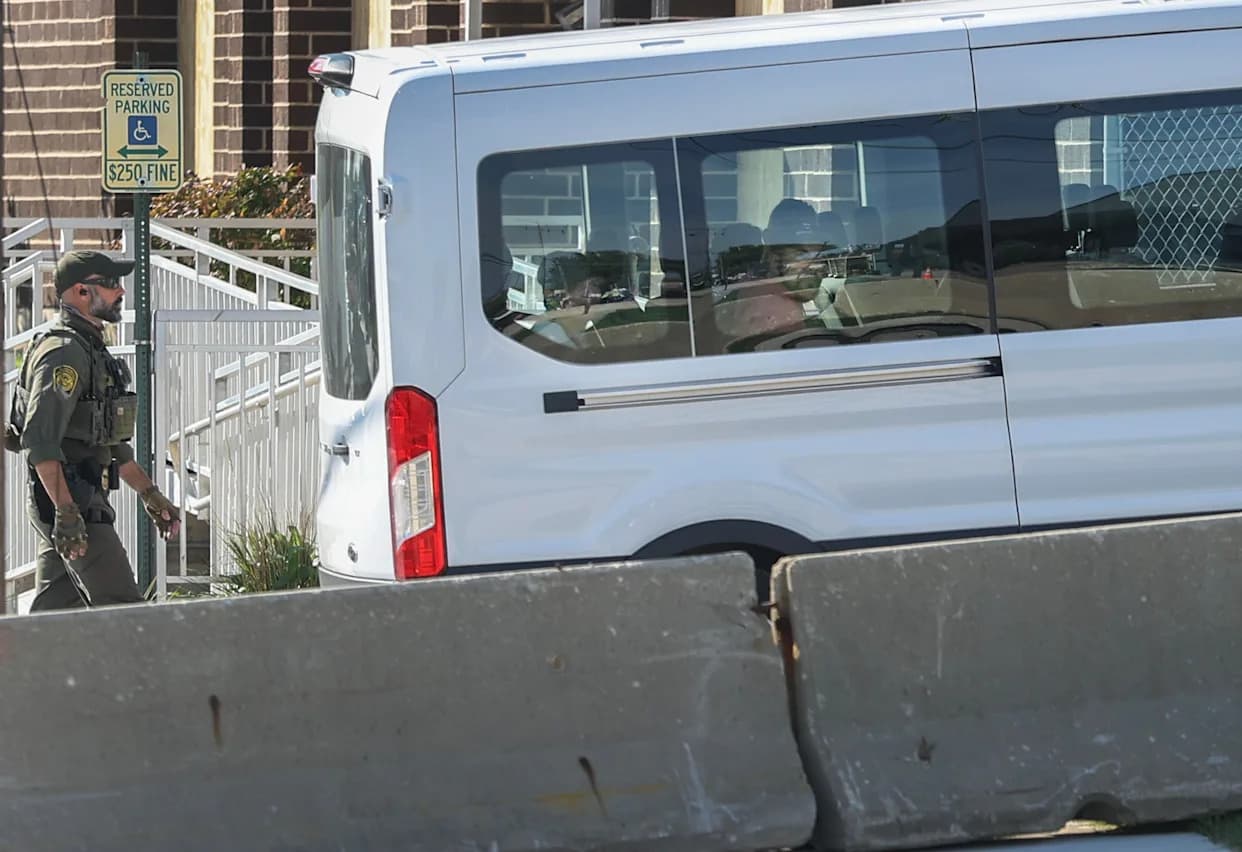
The enforcement actions have rippled into the criminal courthouse and the overcrowded Shelby County Jail. The jail, which lists a regular capacity of 2,400, had an average daily population of 3,195 inmates in September. County officials say that number rose in October and by mid-November about 250 overflow detainees were being housed in other facilities, up from 80 a year earlier; some are now held outside Shelby County, complicating attorney and family visits and increasing transport costs for court appearances.
Jail administrators report inmates at intake sleeping in chairs and say staffing shortages, food and supply costs have grown. Chief Jailer Kirk Fields has requested at least $1.5 million in emergency funds to cover immediate needs such as food, clothing, bedding and linens.
Court operations are also under pressure. County statistics indicate roughly a 40% increase in jail bookings and bail settings during the opening weeks of the task force compared with the same period a year earlier. Shelby County Mayor Lee Harris asked state court authorities for additional judges, warning the county is preparing for a projected 3,500 to 5,000 arrests and faces significant fiscal strain.
Some responses under consideration include adding night and weekend court sessions, creating a clinic where people with low-level misdemeanor warrants could surrender and expanding the use of senior judges. The Tennessee Supreme Court has designated two senior judges to help if needed. Prosecutors are also reexamining whether detention is necessary in hundreds of low-level cases where defendants pose little risk and cannot afford bail.
"The human cost of it is astounding," said Josh Spickler, executive director of Just City, a Memphis-based criminal justice advocacy organization.
"The task force deployment probably could have used more planning," said Shelby County District Attorney Steve Mulroy, who noted his office is working with the operation. "More thought could have been put into the downstream effects of the increased arrest numbers."
Task force officials say the high arrest numbers demonstrate effectiveness. Ryan Guay, a U.S. Marshals Service and task force spokesperson, acknowledged the operation places additional demands on courts and detention facilities but characterized the results as success.
The Federal Bureau of Prisons has offered a satellite prison camp for use by the operation, with the Shelby County Sheriff’s Office assuming oversight; officials have not disclosed the facility’s location for security reasons.
The situation leaves local leaders weighing trade-offs between immediate enforcement and the long-term capacity of the criminal justice system. Officials and advocates warn that unless courts, jails and support services are scaled up, backlogs could prolong the time victims and defendants spend navigating the system and could worsen safety and humanitarian concerns inside detention facilities.
Help us improve.