Coastal communities in Khulna and Satkhira face worsening salinization as sea-level rise and stronger storms push seawater inland, contaminating wells and farmland. After Cyclone Aila in 2009, embankment failures flooded fields and homes, forcing many to live on stilts or relocate. Residents now ration stored rainwater, travel long distances to fetch water, and rely on seasonal migration and aid to survive.
Rivers of Salt: The Daily Fight for Water on Bangladesh’s Climate Frontline

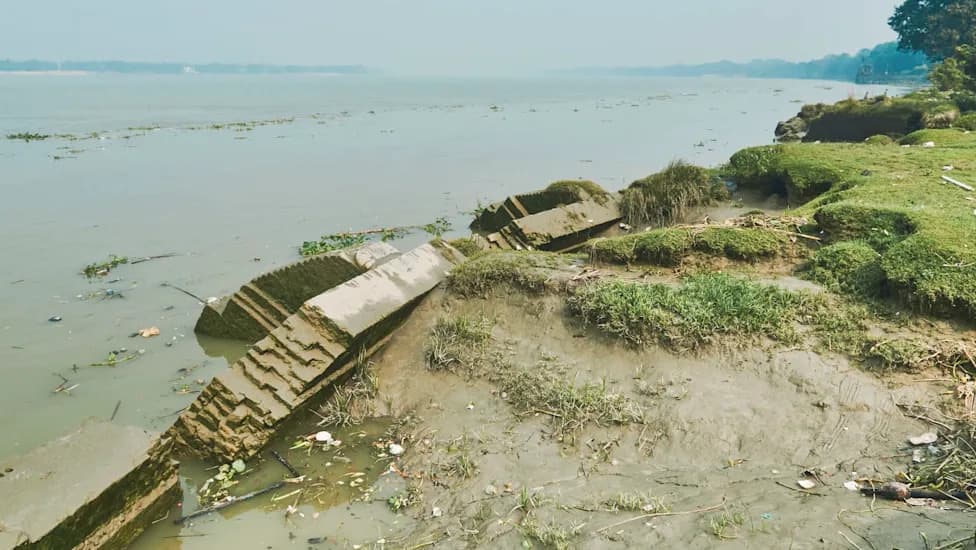
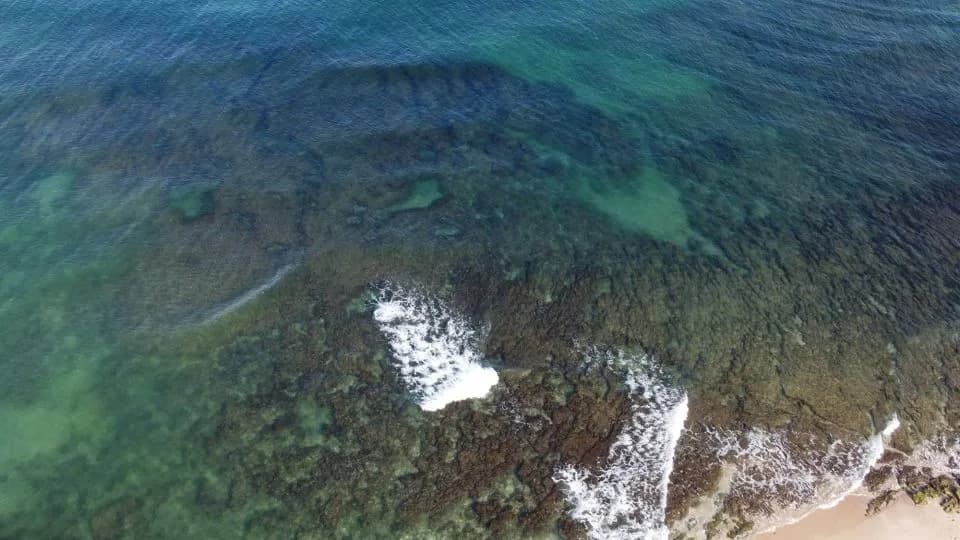
Along Bangladesh’s southern coast, where Himalayan-fed rivers meet the Bay of Bengal, water shapes every aspect of life — and increasingly brings hardship. Rising sea levels and stronger storms are pushing seawater inland, turning wells and ponds brackish and contaminating once-productive fields.
Cyclone Aila in 2009 was a turning point. When embankments failed, saltwater surged over farmland and into villages, leaving soils crusted with salt and freshwater sources undrinkable. Over time, fields have hardened and crops have suffered, while erosion carves away homes, schools and riverbanks.
In Khulna and Satkhira districts, residents have adapted in small but significant ways. Many live in houses raised on bamboo stilts to escape tidal surges. Men frequently migrate for months to find work, while women and children walk long distances across cracked, saline earth to reach distant ponds, or collect and store rainwater when it is available.
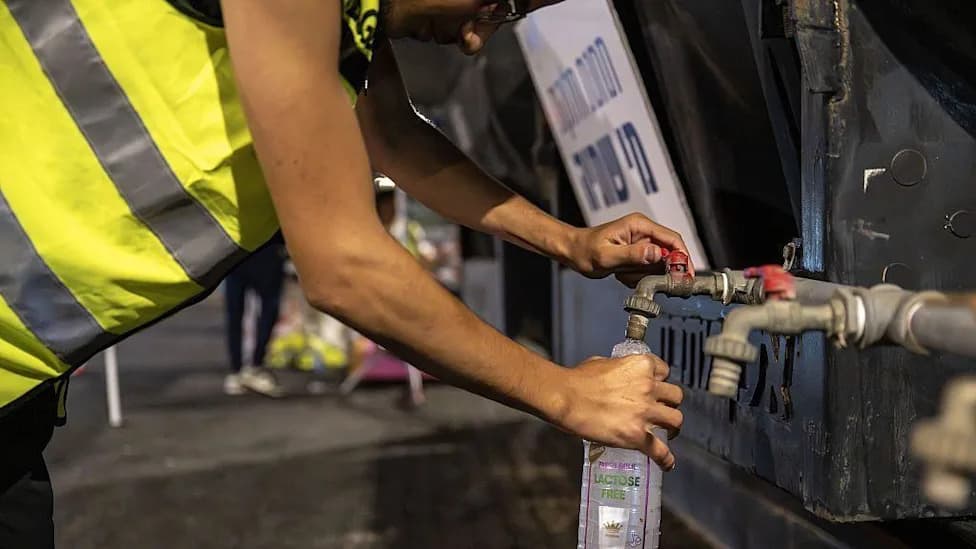
Charities and local projects supply water tanks to some communities; households typically ration a few thousand litres until the next monsoon. The daily ritual of fetching, conserving and protecting drinking water has become a quiet measure of endurance and resilience.
Human cost and resilience: Repeated displacement, loss of livelihoods and the burden of unpaid care fall heavily on women and children. At the same time, communities are experimenting with salt-tolerant crops, local water-harvesting methods and small-scale embankment repairs — adaptations that offer partial relief but not a long-term solution without broader climate action.
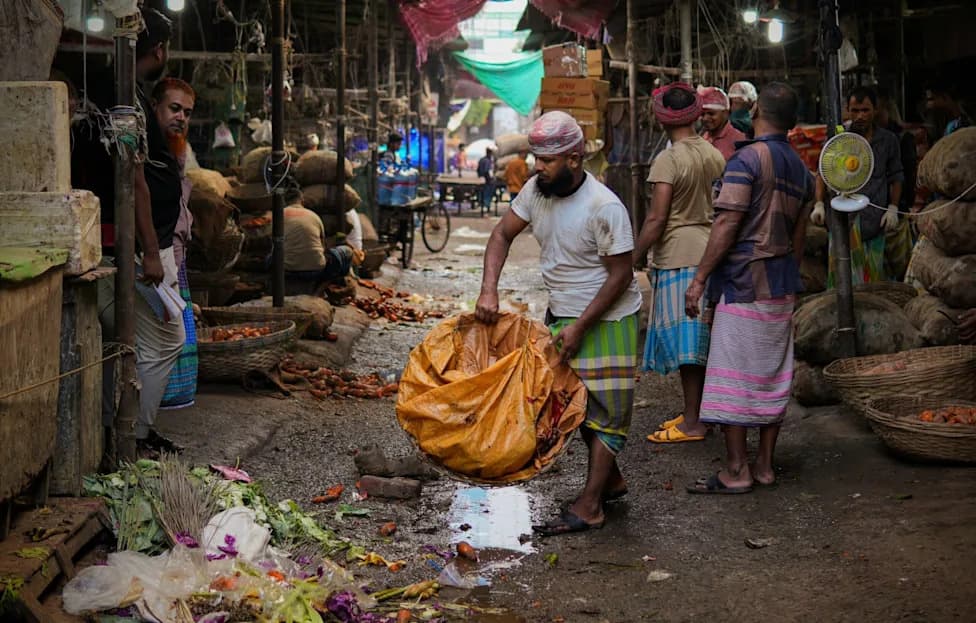
This report is published alongside a photography series by Muhammad Amdad Hossain produced for the 2025 Marai Photo Grant, a program created in memory of the late photo chief Shah Marai (1977–2018). The series documents how climate change is reshaping daily life on Bangladesh’s coast.
Help us improve.