Severe floods in southern and central Mozambique have killed over 150 people and affected about 800,000, displacing thousands to camps like Chiaquelane. While river levels have fallen in places, large areas remain inundated and communities face urgent needs for shelter, food and sanitation. UNICEF warns children—about half of the displaced—are at heightened risk from malnutrition and waterborne disease. Authorities and aid agencies say early warnings improved after Cyclone Idai, but evacuation support, funding and longer-term climate adaptation remain critical.
‘We Have To Rebuild’: Mozambique Floods Displace Hundreds of Thousands, Strain Aid and Sanitation
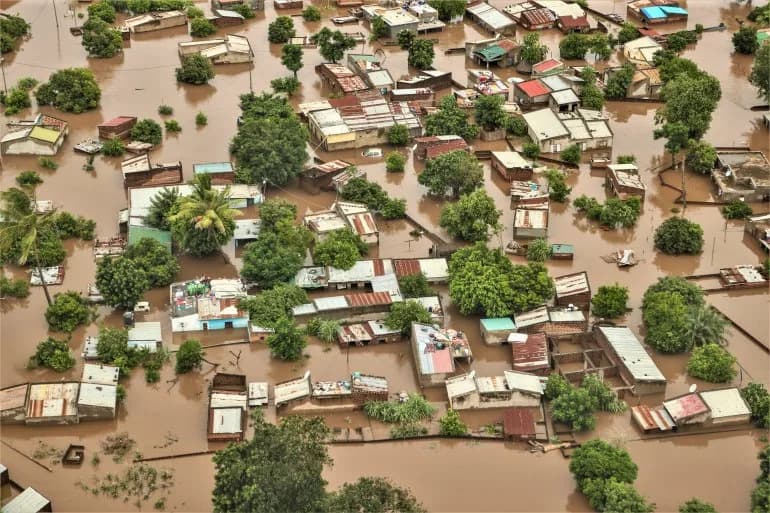
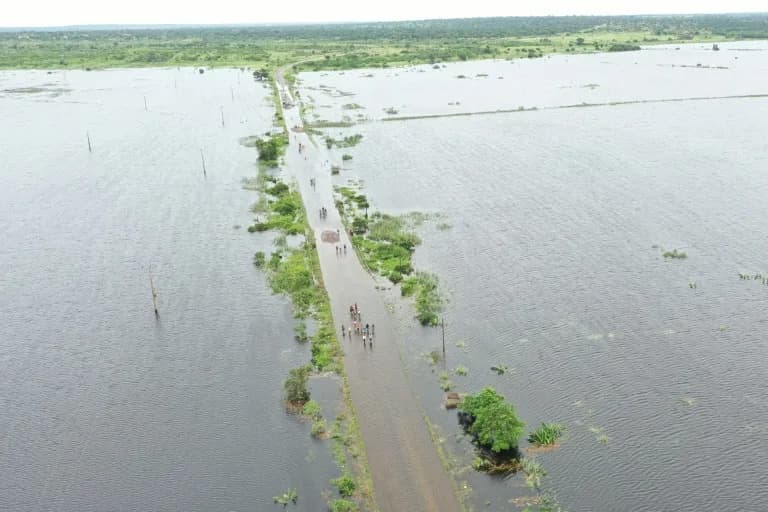
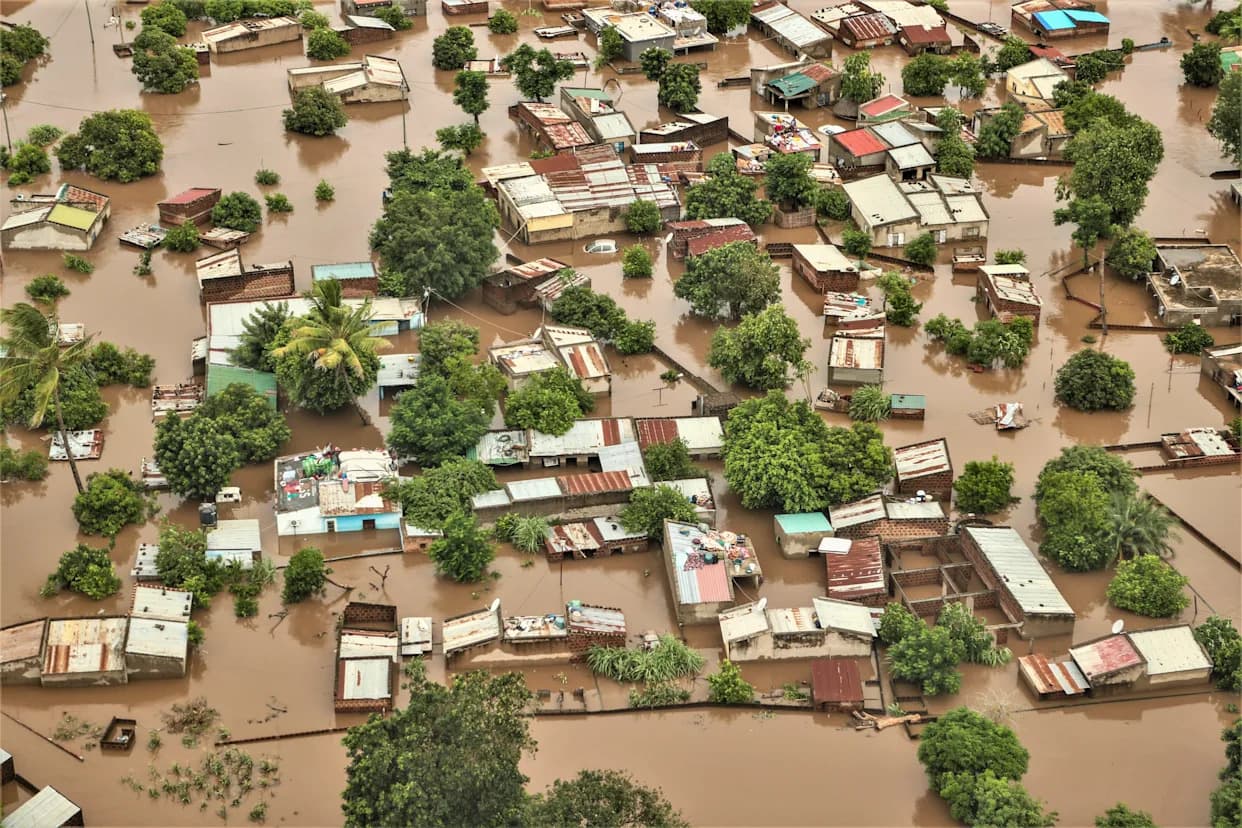
An aerial view shows the flooded neighbourhood between the Maputo and Gaza regions, Maputo, Mozambique, January 20, 2026 [Luisa Nhantumbo/EPA]
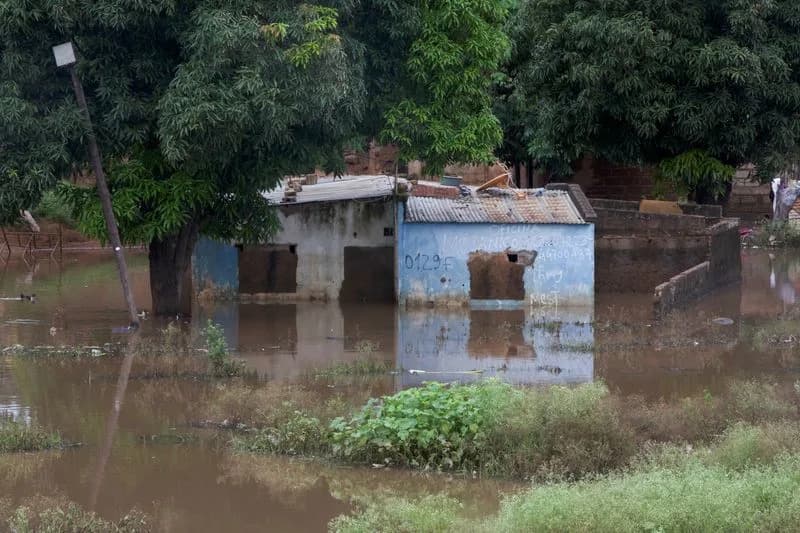
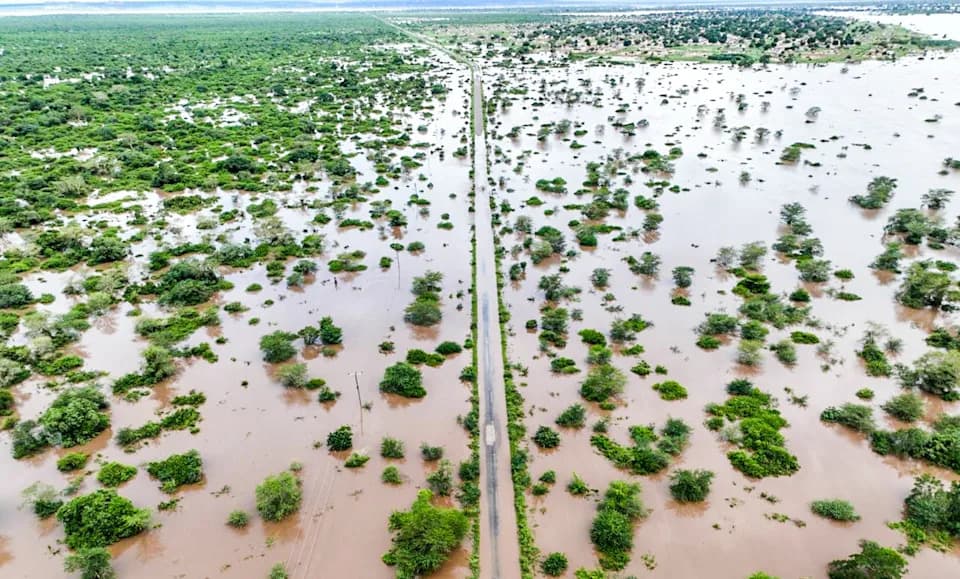
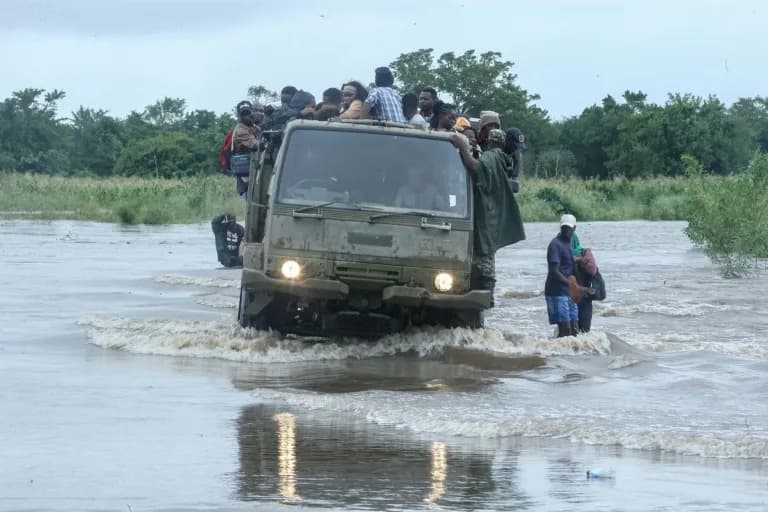
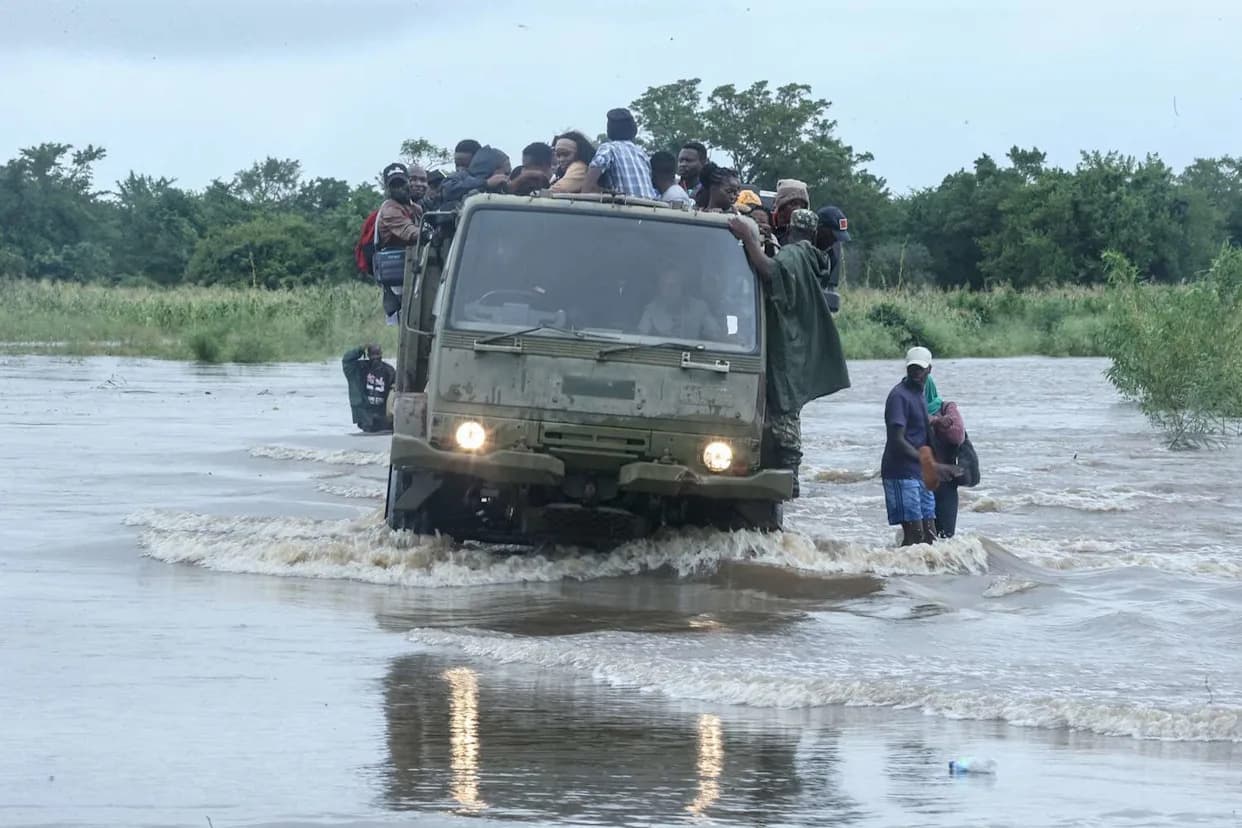
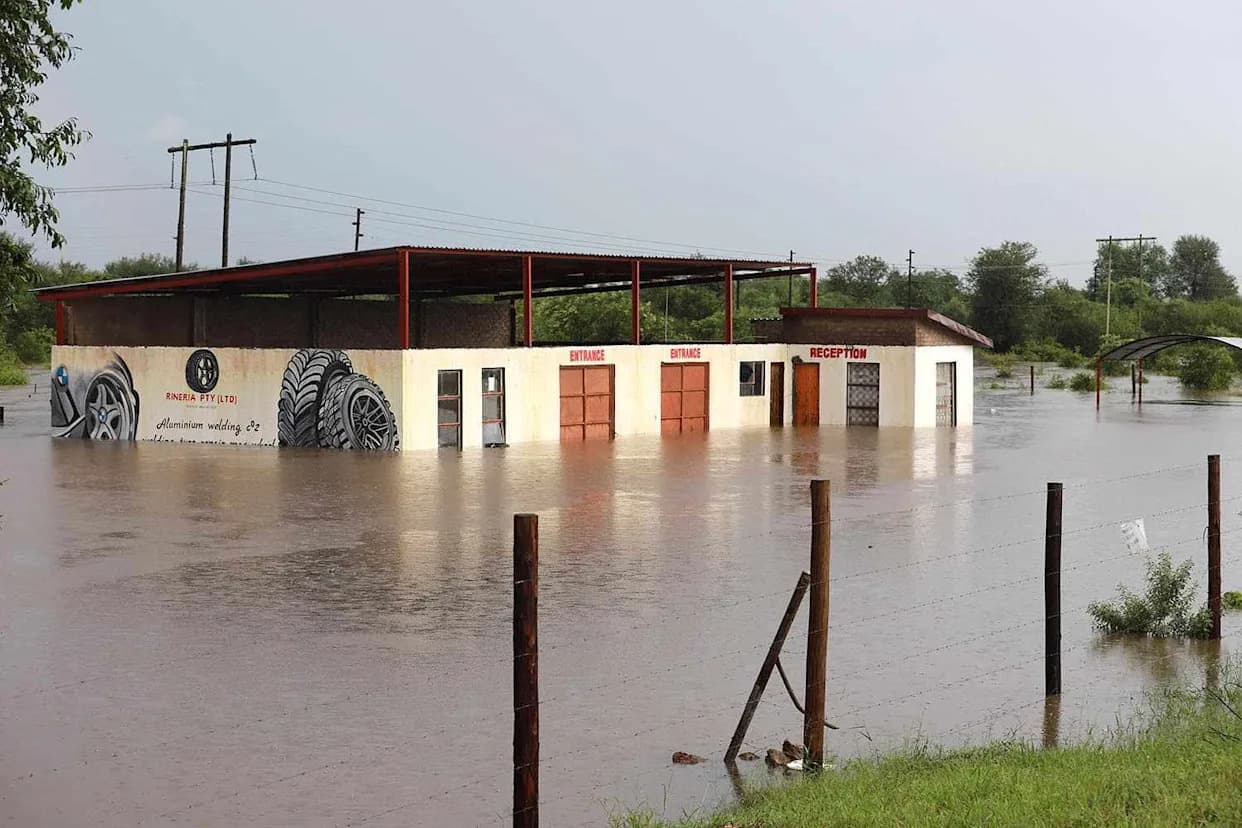
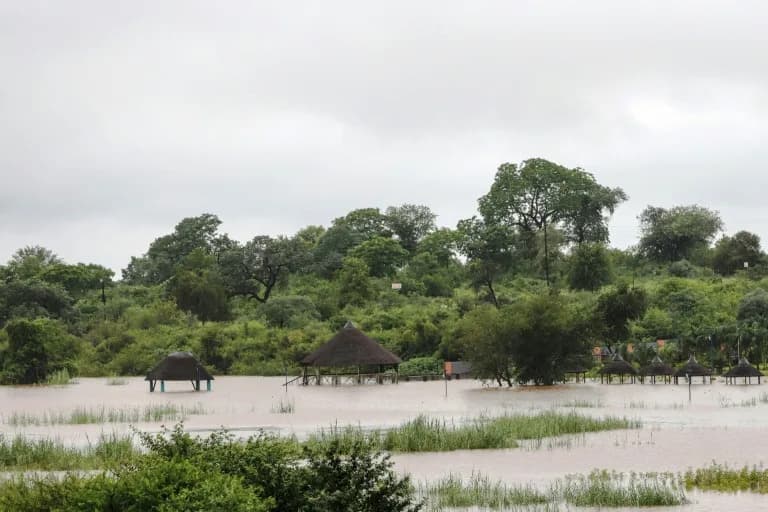
Maputo, Mozambique — Heavy rains from late December through mid-January caused the Limpopo and other rivers to overflow, inundating large swaths of Mozambique's southern and central provinces. More than 150 people have died and an estimated 800,000 people have been affected, with thousands displaced to long-standing camps such as Chiaquelane.
What Happened
The Limpopo River, which rises in neighbouring South Africa, swelled after persistent downpours. In many areas the rain has eased and river levels have fallen, but large tracts of land remain submerged and communities are isolated. Officials describe the floods as among the worst in decades; some early data suggest the scale may rival the major floods recorded in 1977 and 2000.
Lives Disrupted
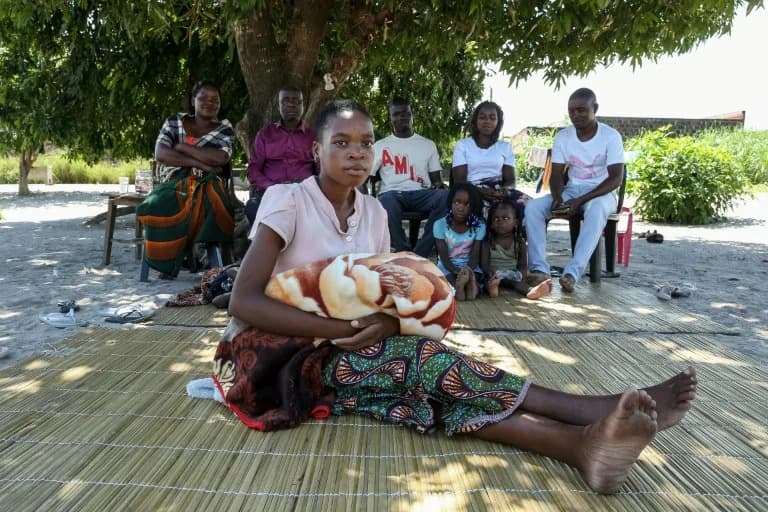
Residents like Emilia Machel, 30, fled Chokwe on January 17 with her three children and sought shelter at the Chiaquelane displacement site. Machel, who earned a living selling tomatoes and onions, first arrived at Chiaquelane as a child during the 2000 floods and has returned after repeated disasters in 2013 and now 2026. Many families lost homes, crops and food stores—especially in agricultural Gaza Province, where hundreds of hectares of cropland and storage barns were washed away.
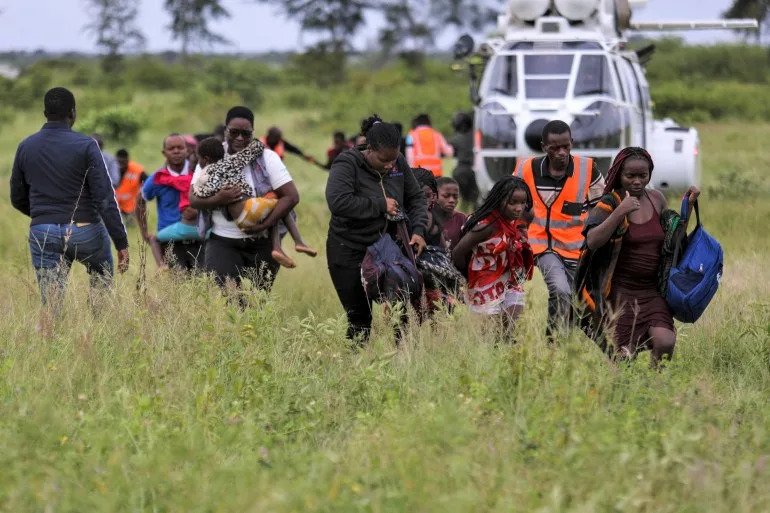
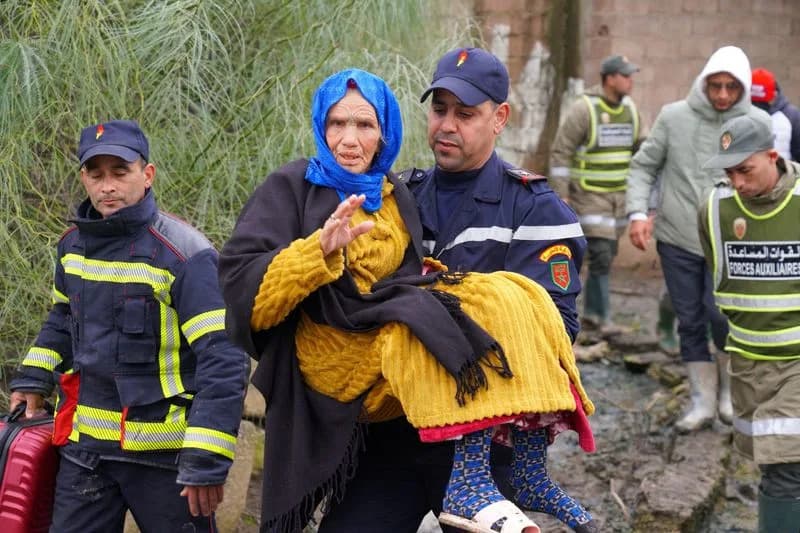
Rescue teams assist residents of a neighbourhood affected by heavy rains in the Maputo and Gaza regions, Mozambique, January 20, 2026 [Luisa Nhantumbo/EPA]
“It is very sad what is happening, but we have to rebuild to go back to our home,”
—Emilia Machel, displaced resident
Response and Challenges
The government reports hundreds of millions of dollars in damaged infrastructure and says some communities still need rescue. Local officials, including Matola Mayor Julio Parruque, have described unprecedented urban flooding driven in part by high population density and unplanned construction that blocked drainage. Authorities and partners are providing assistance, but demand far outstrips resources.
UN agencies warned for months they lack the funds to respond to a catastrophe of this magnitude, as the country continues to contend with an ISIL-linked insurgency in the north that has already displaced hundreds of thousands of people. Regional partners and other countries have sent rescue teams and emergency supplies, but humanitarian groups say cash, shelter materials and sanitation supplies remain urgently needed.
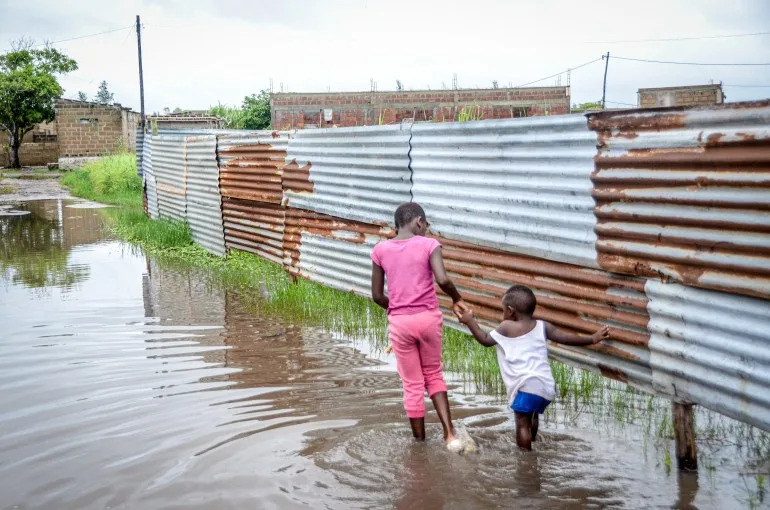
Children wade through floodwaters in a neighbourhood in Maputo, Mozambique, on Friday, January 16, 2026 [Carlos Uqueio/AP]
Risks to Children and Public Health
UNICEF and health partners have flagged children as especially vulnerable: they represent roughly half of those displaced and face increased risk from waterborne diseases. Even before the floods, about four in 10 Mozambican children suffered from chronic malnutrition. Humanitarian teams are prioritising feeding, clean water and sanitation to prevent outbreaks of diarrhoea and other illnesses.
Early Warnings, But Gaps Remain
Mozambique improved early-warning systems after Cyclone Idai in 2019, upgrading radars, satellite monitoring and community alerts. But experts, such as retired hydrologist Carmo Vaz, say alerts alone are not enough: authorities must support timely evacuations and identify safe shelter before disasters strike. In many communities, residents delayed leaving because they feared looting, did not know where to go, or waited until floodwaters rose rapidly.
What Comes Next
The government has renewed appeals for international support for climate adaptation. At COP30 in Brazil, officials said Mozambique needs more than $30 billion for adaptation measures through 2030. Meanwhile, displaced families at sites like Chiaquelane report scarce food, limited shelter and overcrowded sanitation facilities. Many survivors plan to rebuild, but recovery will require sustained funding, coordinated evacuations and investment in resilient infrastructure.
Voices From The Camp: Machel and other displaced residents describe long days of waiting, sleeping on mats and relying on two basic meals a day provided at the camp. Reuniting families and restoring livelihoods are central to the long road to recovery.
Help us improve.