The Israeli military says it struck what it identified as Hezbollah's chief of staff in Beirut, the first such strike in the city since June. Hezbollah warned the attack could trigger wider escalation, and a deputy leader said a senior militant may have been killed. The strike occurred days before a scheduled papal visit and amid heightened pressure from the US and Israel on Lebanon to curb Hezbollah's military capabilities. There was no immediate confirmation of casualties.
Israel Says It Targeted Hezbollah Chief of Staff in Beirut — First Strike in City Since June

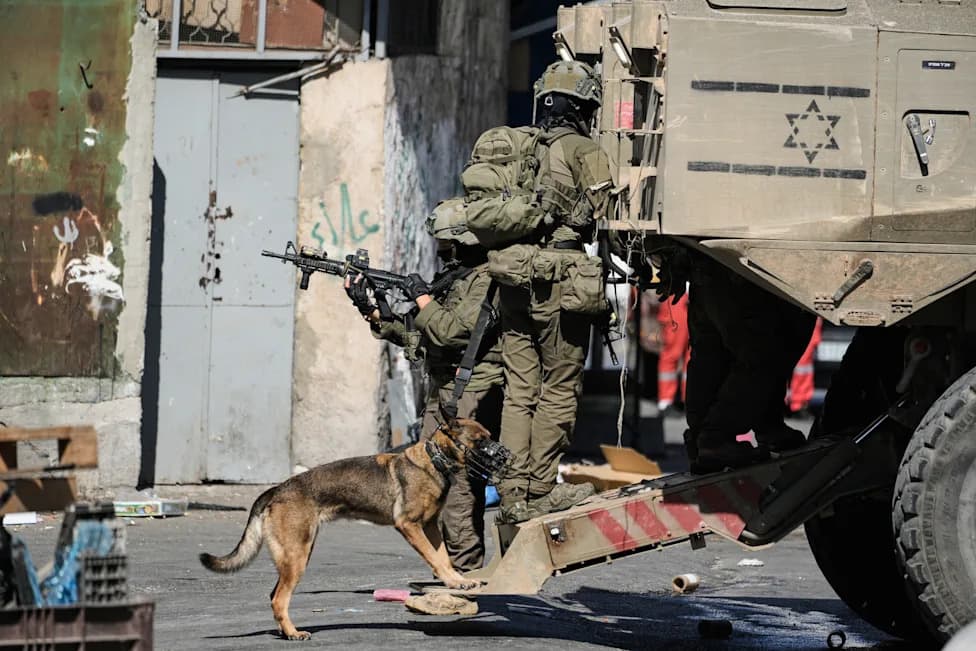
Israel's military said it carried out an airstrike in Beirut that targeted what it identified as Hezbollah's chief of staff, marking the first strike in the city since June. The armed forces provided few operational details.
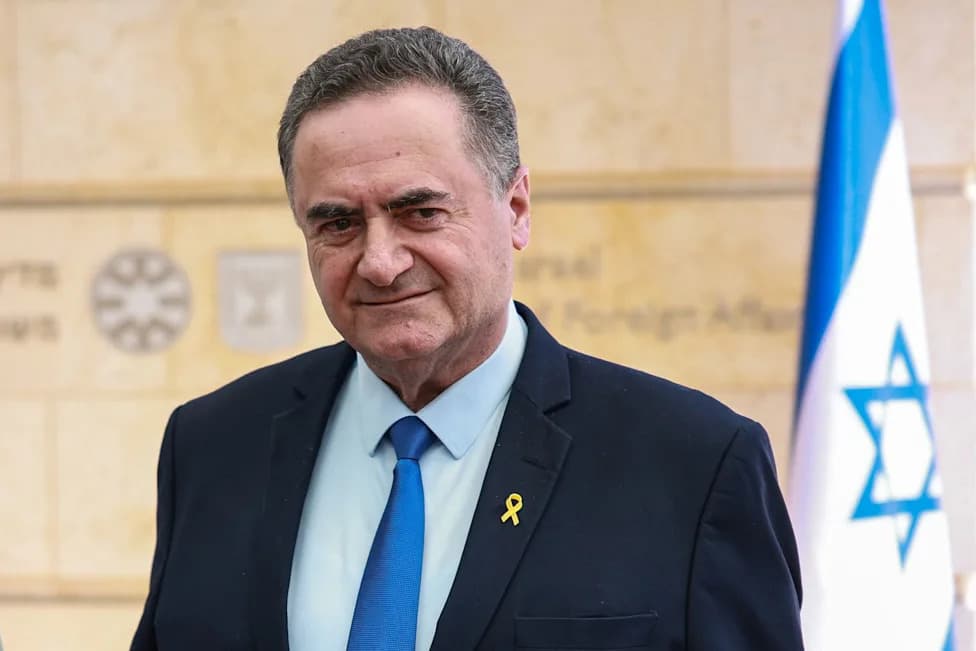
Prime Minister Benjamin Netanyahu told a government meeting that Israel 'will continue to do everything necessary to prevent Hezbollah from re-establishing its threatening capability against us.' He added that Israel acts independently to protect its security, citing ongoing operations in Gaza.
Hezbollah reacted sharply, saying the attack — which occurred almost a year after the ceasefire that ended the last major round of fighting — risks triggering a wider escalation. Mahmoud Qamati, deputy chair of Hezbollah's political council, told reporters a senior militant may have been killed but offered no specifics. 'Hezbollah's leadership is studying the matter of response and will take the appropriate decision,' he said at the scene, warning the strike 'opens the door to an escalation of assaults all over Lebanon.'
Israeli forces did not issue an evacuation warning before the strike. Smoke was visible in the busy Haret Hreik neighborhood, and social media videos showed crowds gathered near what appeared to be an attack on an apartment building. There was no immediate confirmation of casualties.
The strike in southern Beirut comes days before a scheduled papal visit and follows weeks of intensified Israeli air activity over southern Lebanon. Israel and the United States have increased pressure on Lebanon to disarm Hezbollah, while Beirut's government has rejected claims that it is allowing the group to rebuild military capabilities in the south. The Lebanese armed forces have presented a government-approved plan intended to reduce the group's military presence.
This incident highlights the fragile security situation along the Israel-Lebanon border and the potential for localized strikes to ignite broader confrontation.
Help us improve.