Summary: Over ten months of his second term, President Trump shifted between conciliation and criticism in his public posture toward Vladimir Putin and Volodymyr Zelenskyy. Initially conciliatory toward Putin and sharply critical of Zelenskyy after an Oval Office confrontation, Trump later grew more frustrated with Russian attacks while alternately pressuring and engaging Kyiv. Policy moves — sanctions, changes to weapons deliveries and a disputed U.S. peace proposal — reflected and amplified those shifts, drawing concern from allies and lawmakers.
From Conciliation to Criticism: How Trump’s Tone Toward Zelenskyy and Putin Shifted Over Ten Months

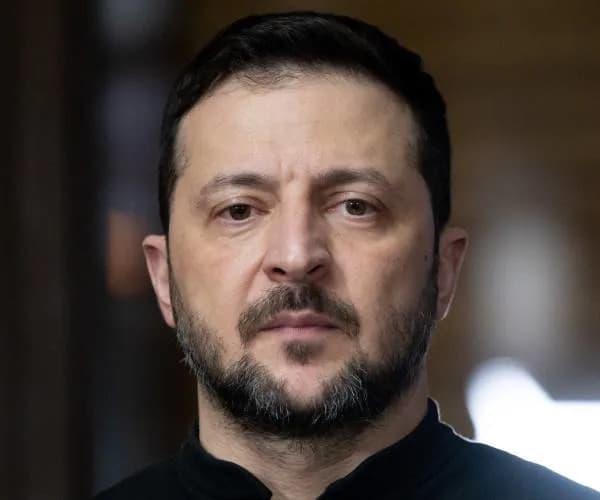
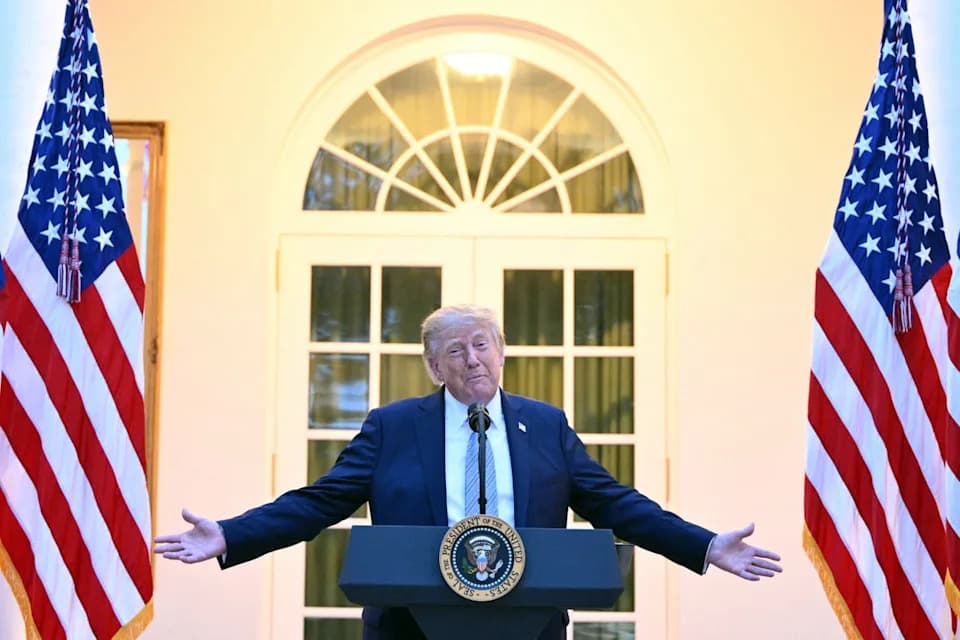
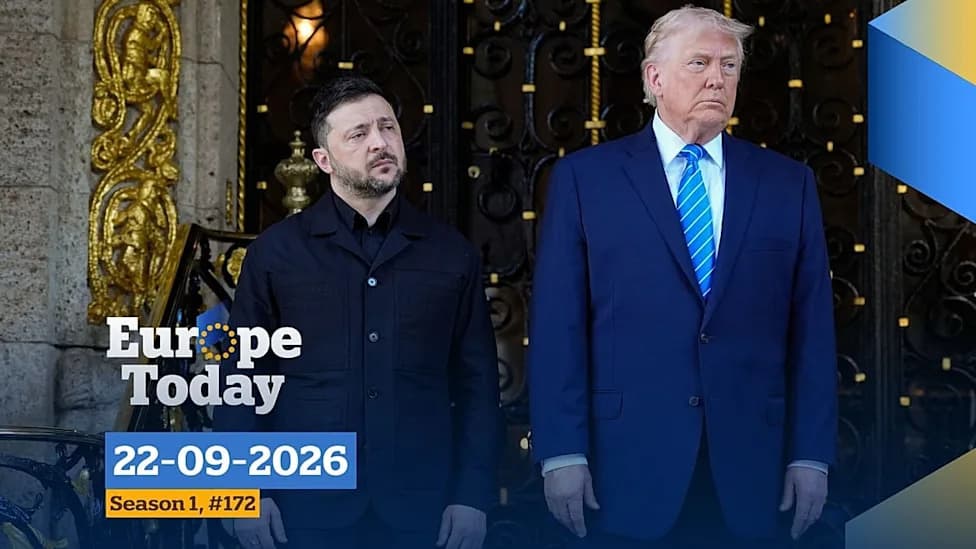
President Donald Trump began his second term promising during the 2024 campaign that he could end the Russia–Ukraine war "in 24 hours." Ten months into his presidency, the push for a peace deal has been shaped by shifting rhetoric, policy moves and high-profile meetings involving Trump, Ukrainian President Volodymyr Zelenskyy and Russian President Vladimir Putin.
Early in the year Trump struck a relatively conciliatory tone toward Putin, a leader he has long praised, while publicly chastising Zelenskyy after a tense Oval Office encounter in February. Over subsequent months his tone swung between criticism and outreach: he grew more openly frustrated with Putin as Russian strikes intensified, while alternating pressure and accommodation toward Kyiv. Policy actions — including sanctions, pauses and resumptions of military aid, and a contested peace proposal — mirrored those shifts and prompted concern among U.S. lawmakers and European allies.
Key moments and notable quotes
Jan. 31
"We want to end that war. That war would have not started if I was president." Trump said his new administration had held "very serious" discussions with Russia and suggested he and Putin could take "significant" steps to end the fighting.
Feb. 19
"A dictator without elections, Zelenskyy better move fast or he is not going to have a country left." A Truth Social post drew bipartisan criticism. Zelenskyy accused Trump of amplifying Russian disinformation, and Vice President J.D. Vance warned of the dangers of publicly confronting the visiting Ukrainian leader.
Feb. 28
"You’re gambling with World War III." During a heated Oval Office exchange, Trump and Vice President Vance rebuked Zelenskyy. The confrontation, broadcast globally, led to the cancellation of much of Zelenskyy’s visit and briefly put U.S. military assistance on hold as Washington sought to pressure Kyiv toward talks.
March 30
"I don’t think he’s going to go back on his word... I’ve known him for a long time." Speaking aboard Air Force One, Trump said he trusted Putin to uphold commitments in a potential agreement.
April 24
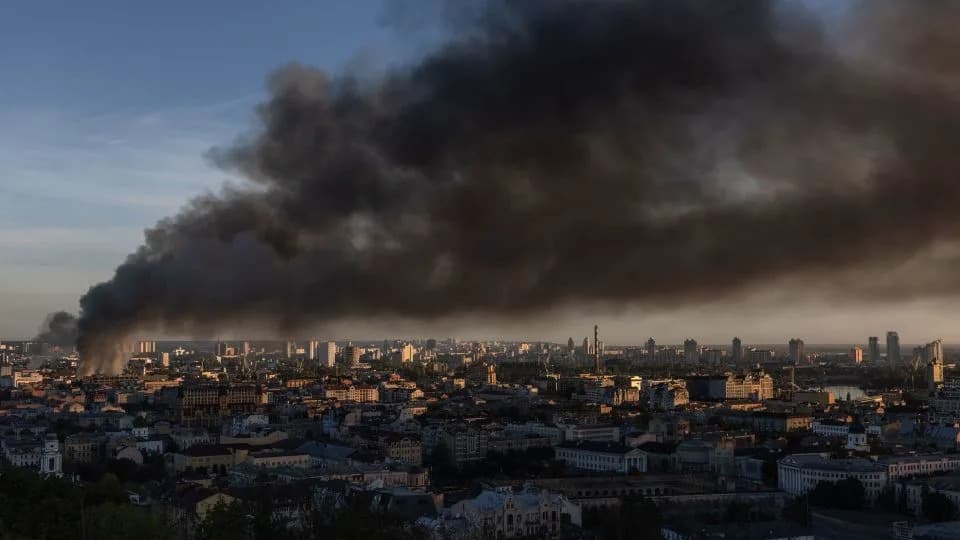
"I am not happy with the Russian strikes on KYIV... Vladimir, STOP!" In one of his first direct public rebukes of Putin, Trump condemned a major missile and drone barrage on Kyiv in a Truth Social post and urged a peace deal.
April 29
"A lot of his people are dying... I feel very badly about it." After meeting Zelenskyy at the funeral of Pope Francis, Trump told ABC News he was moved by the human toll — a conciliatory turn after the Oval Office dispute.
May 25
"I’ve always had a very good relationship with Vladimir Putin... but something has happened to him. He has gone absolutely CRAZY!" Trump's growing impatience with Putin became explicit as Russian attacks continued.
June–July
Across meetings and public remarks, Trump signaled a mixed approach: praising personal rapport with foreign leaders while warning that diplomacy must be backed by pressure. He backed renewed weapons deliveries to Ukraine in July after pausing some shipments earlier amid concerns over U.S. stockpiles, and warned of potential secondary tariffs if no deal was reached.
Aug. 15
"There’s no deal until there’s a deal." A summit in Alaska produced no breakthrough. Critics said the meeting risked giving Putin diplomatic recognition that many Western officials had long resisted.
Sept. 23
"Russia has been fighting aimlessly... making them look like 'a paper tiger.'" After meeting Zelenskyy on the sidelines of the U.N. General Assembly, Trump said he believed Ukraine could retake territory lost to Russia — a notable shift from earlier suggestions that Kyiv could not reclaim all occupied areas.
Oct. 17
"Stop the war immediately." Hosting Zelenskyy again at the White House, Trump proposed stopping at the existing battle lines to end the fighting quickly, even if that left Moscow in control of some territory. He also signaled the U.S. would not provide long-range Tomahawk missiles to Ukraine.
Oct. 22
"Hopefully he’ll become reasonable... and hopefully Zelenskyy will be reasonable, too." Trump said after new U.S. sanctions on Russian oil companies, emphasizing that both sides would have to compromise.
Nov. 21–23
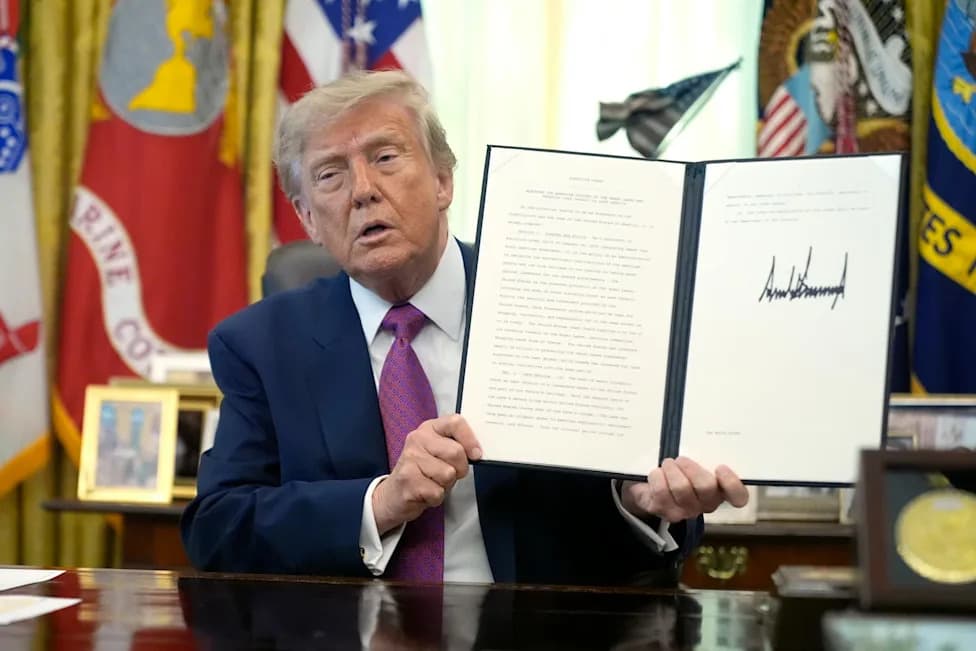
Trump pressed Zelenskyy to accept a U.S. peace proposal that critics said was heavily favorable to Russia, calling for territorial concessions, a smaller Ukrainian armed force and assurances that Ukraine would not join NATO. Some senators said the proposal mirrored Russian demands and attributed that view to Senator Marco Rubio; the State Department called that assertion "false," and Rubio insisted the plan was authored by the United States. Trump set a Nov. 27 deadline for Kyiv to respond, then suggested he might negotiate further if needed. On Nov. 23 he criticized Ukrainian leadership and European oil purchases from Russia on social media.
What this means
Over ten months, Trump’s posture has swung between conciliation and stark criticism of both Putin and Zelenskyy. The rhetoric translated into concrete policy moves — sanctions, intermittent adjustments to military assistance, and promotion of a contentious peace framework — and exposed divisions among U.S. lawmakers and NATO allies about whether his approach protects U.S. interests or cedes too much to Moscow.
Note: This article summarizes public remarks, meetings and policy actions from January through November. Titles and roles have been clarified where appropriate to improve accuracy.
Help us improve.